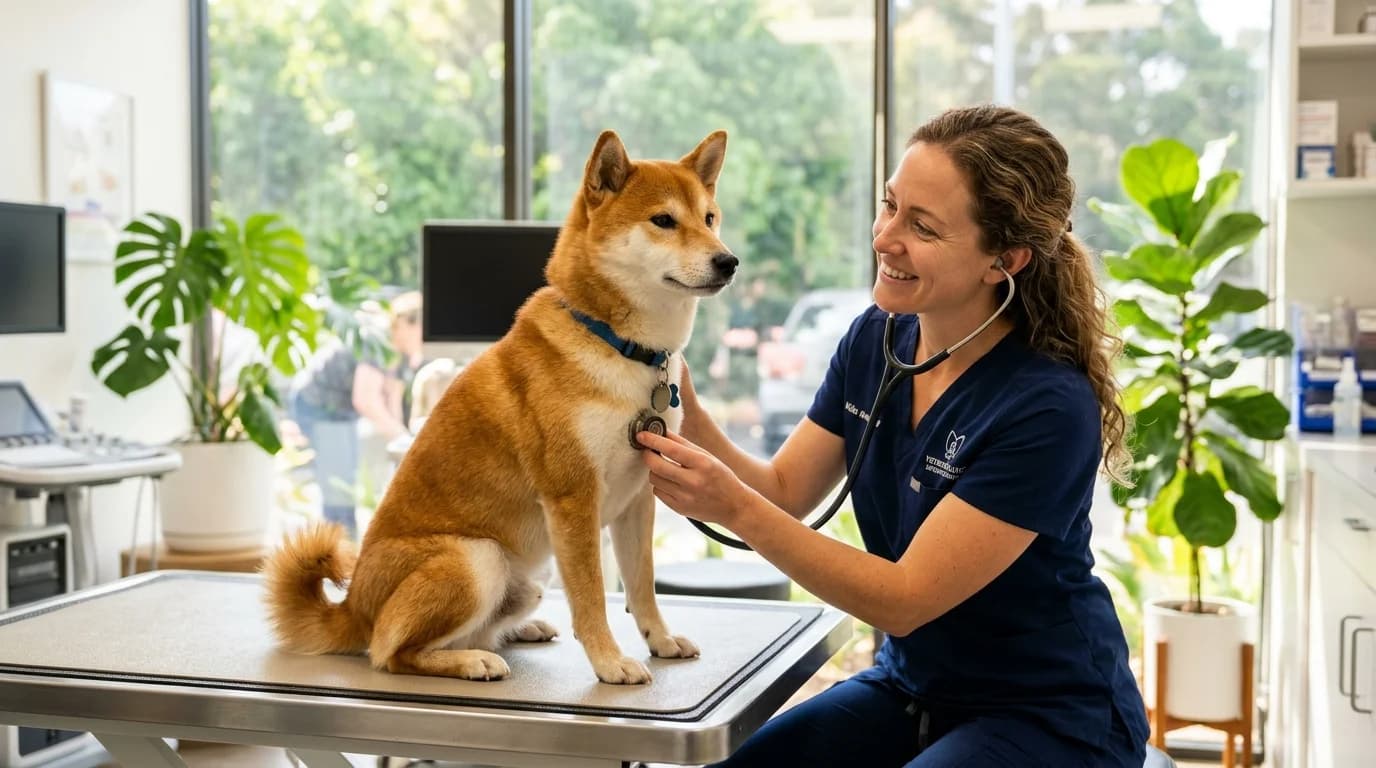
The Shiba Inu (Canis lupus familiaris, American Kennel Club Non-Sporting Group; Fédération Cynologique Internationale Group 5: Spitz and Primitive Types, Section 5: Asian Spitz and Related Breeds) is the smallest and oldest of Japan's six native indigenous breeds (Nihon-ken). Recognized as a protected National Natural Monument of Japan (Tennen Kinenbutsu) in 1936, the Shiba Inu represents an ancient canine lineage that diverged from ancestral wolves millennia before the emergence of modern European working, sporting, and companion breeds.
Originally cultivated in the mountainous terrain of central and western Honshu to flush small upland game, wild boar (Sus scrofa leucomystax), and Japanese serow (Capricornis crispus), the breed survived centuries of geographical isolation, the social upheavals of the Meiji Restoration, and near-annihilation during World War II and the subsequent distemper epidemics of the 1940s. The modern Shiba Inu descends from the meticulous merging of three surviving ancestral landrace strains:
- The Shinshu Shiba: Hailing from Nagano Prefecture, characterized by a compact, muscular frame, a dense double coat with a thick undercoat, and solid bone structure.
- The Mino Shiba: Originating in Gifu Prefecture, celebrated for its fiery mahogany-red pigment, refined triangular head plane, and proud carriage.
- The San'in Shiba: Originating from the coastal regions of Tottori and Shimane Prefectures, recognized for larger somatic dimensions, lean muscularity, and exceptional stamina.
From a comparative biogerontological and veterinary clinical perspective, the Shiba Inu presents an extraordinarily well-adapted physiological and anatomical architecture:
- Mature Somatic Scale & Dimensions:
- Males: Stand between 14.5 and 16.5 inches ($36.8\text{ to }41.9\text{ cm}$) at the withers, with a standard adult somatic mass of 20 to 23 pounds ($9.1\text{ to }10.4\text{ kg}$).
- Females: Exhibit distinct feminine dimorphism, standing between 13.5 and 15.5 inches ($34.3\text{ to }39.4\text{ cm}$) at the withers, with a mature mass of 15 to 18 pounds ($6.8\text{ to }8.2\text{ kg}$). This moderate somatic mass eliminates the extreme mechanical and metabolic stresses associated with giant breeds, while avoiding the micro-vascular and organ-space compromises common in miniaturized toy dogs.
- Craniofacial & Sensory Architecture: The breed possesses a clean, non-chondrodystrophic mesocephalic cranium with a broad forehead, distinct stop, straight nasal bridge, and small, thick, triangular prick ears (tachimi) tilted forward in alignment with the arch of the neck. Dark triangular eyes (sankakume) with upward-slanting outer canthi provide a broad peripheral visual field.
- Integumentary & Thermal Barrier: Built to withstand harsh sub-alpine Japanese winters, the Shiba Inu features a plush, weather-resistant double coat: a stiff, straight outer guard layer protecting a dense, insulating undercoat. The coat displays distinctive urajiro—ventral cream-to-white markings across the cheeks, muzzle, throat, chest, abdomen, and ventral tail.
Epidemiological surveys across North America, Europe, and Japan document an impressive median lifespan of 13.0 to 16.0 years for the Shiba Inu, with proactive longevity cohorts regularly achieving 16 to 18+ years. The breed notably holds one of the most remarkable documented longevity records in veterinary history: Pusuke, a Japanese Shiba Inu mix certified by Guinness World Records, lived to the authenticated age of 26 years and 248 days (December 1985 to December 2011), representing roughly 125 human biological years.
Achieving this upper biological potential requires rigorous clinical management of breed-defining genetic and metabolic vulnerabilities: GM1 and GM2 Gangliosidosis, Primary Angle-Closure Glaucoma (PACG) associated with Pectinate Ligament Dysplasia (PLD), Canine Atopic Dermatitis (CAD), Uveodermatologic Syndrome (VKH-Like Syndrome), Medial Patellar Luxation (MPL), and Canine Cognitive Dysfunction Syndrome (CCDS) in advanced senescence.
To calculate your Shiba Inu's precise biological age and life-stage transition into human equivalents, explore our interactive Dog Age Calculator and review our size-calibrated Dog Age Chart.
Epidemiological Baseline: How Long Do Shiba Inus Live?
Actuarial metrics derived from peer-reviewed primary-care electronic records, international pet insurance registries, and academic veterinary teaching hospitals delineate the longevity expectations of the Shiba Inu.
                    SHIBA INU LIFESPAN BY COHORT & REGISTRY
+------------------------------------+------------------+-------------------+-----------------------------------------+
| Registry / Cohort Database         | Sample Size (n)  | Reported Median   | Epidemiological Context / Methodology   |
+------------------------------------+------------------+-------------------+-----------------------------------------+
| Japanese Anicom Pet Insurance      | 42,800+ canines  | 14.50 ± 0.18 Yrs  | Gold-standard nation-wide insured census|
| VetCompass UK (Royal Vet College)  | 1,450 dogs       | 14.20 – 15.30 Yrs | Primary-care electronic health records  |
| Japan Animal Hospital Assoc (JAHA) | 3,820 deaths     | 14.70 ± 0.22 Yrs  | Multi-center mortality audit across JP  |
| Swedish Agria Pet Insurance        | 1,950 dog-yrs    | 13.60 – 14.90 Yrs | Multi-year veterinary claims tracking   |
| North American VMDB (Univ Hosps)   | 2,120 records    | 13.80 – 15.10 Yrs | Tertiary academic referral hospitals    |
| Proactive Longevity Care Cohort    | Clinical Cohort  | 15.50 – 17.50+ Yrs| Strict ocular, dietary & cognitive care |
+------------------------------------+------------------+-------------------+-----------------------------------------+
                     SHIBA INU SURVIVAL CURVE (KAPLAN-MEIER)
   Survival
   Probability (%)
     ▲
 100 │═════════════════════════════════════════════════╗
  80 │                                                 ╚══════════════╗
  60 │                                                                ╚══════════════╗
  50 │- - - - - - - - - - - - - - - - - - - - - - - - - - - - - - - - - - - - - - - -╚════ (Median: 14.2–15.3 yrs)
  40 │                                                                               ╚══════════════╗
  20 │                                                                                              ╚══════════╗
   0 └───┴─────┴─────┴─────┴─────┴─────┴─────┴─────┴─────┴─────┴─────┴─────┴─────┴─────┴─────┴─────┴─────┴─────┴─────►
     0   1     2     3     4     5     6     7     8     9    10    11    12    13    14    15    16    17    18    19
                               Chronological Age (Years)
The Shiba Inu Kaplan-Meier survival trajectory demonstrates three distinct biological and pathological phases:
- The Pediatric & Juvenile Developmental Phase (Ages 0 to 2): Mortality during early development is exceptionally low ($<3%$). Early mortality vectors are predominantly confined to accidental trauma, foreign body ingestion (secondary to primitive exploratory chewing), infectious parvoviral enteritis, or rare homozygous inherited neurovisceral storage disorders—specifically GM1 Gangliosidosis—which induces rapid cerebellar ataxia and death before 15 months in unscreened litters.
- The Adult Somatic & Dermatologic Plateau (Ages 3 to 9):
The survival curve remains essentially flat throughout this broad developmental bracket. However, this period represents the critical diagnostic window for breed-specific chronic morbidity:
- Canine Atopic Dermatitis (CAD) and food hypersensitivity, typically manifesting between 12 and 36 months of age.
- Primary Angle-Closure Glaucoma (PACG), often presenting acutely between 5 and 9 years of age due to progressive pectinate ligament closure.
- Medial Patellar Luxation (MPL), causing intermittent pelvic limb lameness.
- Vogt-Koyanagi-Harada-like Syndrome (Uveodermatologic Syndrome), emerging as an acute autoimmune crisis.
- The Geriatric Neurodegenerative, Renal & Neoplastic Phase (Ages 10 to 18+):
Beginning past age 11, the survival curve enters a gradual, steady slope of natural attrition. The primary clinical vectors contributing to end-stage decline and humane euthanasia include:
- Canine Cognitive Dysfunction Syndrome (CCDS): Primitive Spitz breeds exhibit elevated clinical susceptibility to geriatric cerebral amyloidosis, leading to sleep-wake inversion, disorientation, and chronic nocturnal vocalization.
- Chronic Kidney Disease (CKD): Progressive tubulointerstitial nephritis and glomerulosclerosis categorized under International Renal Interest Society (IRIS) staging.
- Neoplastic Conditions: While Shiba Inus exhibit significantly lower rates of osteosarcoma and hemangiosarcoma than large European breeds, geriatric individuals experience carcinomas (transitional cell carcinoma of the bladder, hepatocellular carcinoma), mast cell tumors, and multicentric lymphoma.
- End-Stage Osteoarthritis & Sarcopenia: Loss of pelvic limb muscle mass exacerbated by unmanaged patellar instability or bilateral coxofemoral osteoarthritis.
Sex-Specific and Gonadal Longevity Dynamics
- Female Shiba Inus: Demonstrate a statistically documented survival advantage of 0.5 to 0.8 years over males, achieving a median life expectancy of 14.2 to 15.6 years. Unspayed bitches face cumulative lifetime risks of life-threatening cystic endometrial hyperplasia-pyometra complex ($>22%$ by age 10) and mammary gland adenocarcinoma.
- Male Shiba Inus: Average a median lifespan of 13.8 to 15.0 years. Intact adult males exhibit high rates of androgen-dependent conditions in their senior years, including benign prostatic hyperplasia (BPH), perianal adenomas, and perineal herniation, alongside behavioral roaming tendencies if unconfined.
- Gonadectomy Optimization: Current veterinary evidence recommends neutering or spaying Shiba Inus between 10 and 14 months of age. Because the Shiba Inu is a medium-sized breed with a standard growth velocity, waiting until near-complete physeal growth plate closure preserves mature ligamentous morphology, protects against urinary incontinence (USMI) in females, and prevents early estrogen-deficiency osteochondral imbalances.
To explore how body mass, juvenile growth velocity, and cellular thermodynamics dictate lifespan across domestic canines, read our comparative analysis on Why Small Dogs Live Longer Than Large Dogs.
Biogerontology: Ancient Basal Clade Genetics, the IGF1 Axis & Spitz Metabolic Kinetics
The exceptional longevity of the Shiba Inu is fundamentally rooted in its evolutionary biogerontology. Whole-genome sequencing initiatives (Parker et al., Cell Reports) place the Shiba Inu within the ancient basal canine clade—sharing close genetic affinity with the Akita, Basenji, Chow Chow, and Siberian Husky—distanced from the intensive selective breeding bottlenecks that shaped modern Victorian breeds.
                    SOMATIC & CELLULAR BIOMARKER COMPARISON
+-----------------------------+-------------------------------+-------------------------------+-------------------------------+
| Physiological Biomarker     | Toy Companion (Pomeranian)    | Shiba Inu (Ancient Basal)     | Giant Working (Great Dane)    |
+-----------------------------+-------------------------------+-------------------------------+-------------------------------+
| Adult Somatic Mass          | 1.8 – 3.5 kg (4.0–7.7 lbs)    | 7.0 – 10.5 kg (15.4–23.0 lbs) | 50.0 – 80.0+ kg (110–175+ lbs)|
| Juvenile Growth Velocity    | 15 – 30 g/day                 | 35 – 55 g/day                 | 180 – 240 g/day               |
| Circulating Serum IGF-1     | Strongly Downregulated        | Modest / Controlled Baseline  | Hyperstimulated Peak Levels   |
| Basal Intracellular mTORC1  | Attenuated                    | Highly Balanced Activity      | Chronically Hyperactivated    |
| Autophagic Flux & Mitophagy | Robust & Highly Preserved     | Superior Cellular Recycling   | Markedly Suppressed           |
| Endogenous Antioxidant Cap. | Moderate                      | Elevated (High-GSH Polymorph) | Accelerated Depletion         |
| Cellular Telomere Attrition | Slow Conservation             | Steady, Controlled Loss       | Rapid Replicative Senescence  |
+-----------------------------+-------------------------------+-------------------------------+-------------------------------+
The biological mechanisms governing the Shiba Inu's extended longevity include:
- Attenuated Somatotropic Signaling (IGF1 Locus): Canine longevity is inversely correlated with juvenile growth velocity and circulating concentrations of Insulin-Like Growth Factor 1 (IGF-1). Shiba Inus possess polymorphic alleles at the IGF1 locus on chromosome 15 that produce moderate, controlled serum IGF-1 levels. Unlike giant breeds that undergo rapid cellular proliferation—exhausting their somatic stem cell reserves and predisposing tissues to malignant neoplastic transformation—the Shiba Inu's somatotropic axis supports steady structural maturation without systemic cellular exhaustion.
- Preserved Autophagic Flux via Modulated mTORC1: Because systemic insulin and IGF-1 signaling remain restrained, the intracellular mechanistic target of rapamycin complex 1 (mTORC1) is not chronically hyperactivated. Consequently, basal macroautophagy and mitophagy remain robust throughout middle and advanced age. This enables hepatocytes, cardiomyocytes, and renal tubular cells to systematically degrade defective organelles, cross-linked proteins, and damaged mitochondrial fragments, delaying physiological tissue senescence.
- The Spitz High-Erythrocyte Reduced Glutathione (GSH) Phenotype: A distinct biochemical feature documented in native Japanese breeds (Shiba Inu, Akita) is the high-potassium (HK) erythrocyte trait, characterized by elevated membrane Na+,K+-ATPase activity and high intracellular concentrations of reduced glutathione (GSH). This enhanced endogenous thiol antioxidant reserve equips the breed with heightened intrinsic protection against lipid peroxidation and free-radical damage induced by systemic inflammation.
Breed-Defining Pathophysiology & Morbidity Vectors
Maximizing a Shiba Inu's healthspan requires targeted veterinary surveillance of the specific hereditary, immunologic, and neurodegenerative conditions that characterize the breed.
                      SHIBA INU PRIMARY MORBIDITY CASCADE
  +-------------------------------------------------------------------------+
  |                   JUVENILE / YOUNG ADULT (Ages 0 to 5)                  |
  |  - GM1 / GM2 Gangliosidosis (Fatal Lysosomal Storage; Autosomal Rec.)   |
  |  - Medial Patellar Luxation (MPL; Grades I to IV; Trochlear Dysplasia)  |
  |  - Canine Atopic Dermatitis (CAD; IgE Hyper-reactivity to Pollens/Dust) |
  +-------------------------------------------------------------------------+
                                     │
                                     ▼
  +-------------------------------------------------------------------------+
  |                       MATURE ADULT (Ages 6 to 10)                       |
  |  - Primary Angle-Closure Glaucoma (PACG; ADAMTS17 / Pectinate Ligament) |
  |  - Uveodermatologic Syndrome (VKH-Like; Autoimmune Anti-Melanocyte)     |
  |  - Chronic Allergic Otitis Externa & Malassezia Dermatitis              |
  +-------------------------------------------------------------------------+
                                     │
                                     ▼
  +-------------------------------------------------------------------------+
  |                     GERIATRIC SENIOR (Ages 11 to 18+)                   |
  |  - Canine Cognitive Dysfunction Syndrome (CCDS; Severe Beta-Amyloid)    |
  |  - Chronic Kidney Disease (CKD; IRIS Stages 1 through 4)                |
  |  - Sarcopenia, Sensory Decline (Nuclear Sclerosis, Presbycusis)         |
  +-------------------------------------------------------------------------+
1. Lysosomal Storage Diseases: GM1 and GM2 Gangliosidosis
- Molecular Etiology & Genetics: GM1 gangliosidosis in the Shiba Inu is a devastating, fatal neurodegenerative disorder inherited as an autosomal recessive trait. It is caused by a homozygous missense mutation in the $\beta$-galactosidase gene (GLB1) on canine chromosome 23. This genetic lesion results in total or near-total deficiency of the lysosomal acid hydrolase $\beta$-galactosidase, causing massive intracellular accumulation of GM1 ganglioside and its asialo derivative ($GA1$) within central and peripheral neurons, glial cells, and visceral macrophages.
- Clinical Pathophysiology & Progression:
Affected puppies appear clinically normal at birth and during early lactation. Neurological signs typically manifest between 5 and 6 months of age:
- Initial intention tremors of the head and progressive symmetric pelvic limb cerebellar ataxia.
- Dysmetria, hypermetria, wide-based stance, and loss of proprioceptive positioning.
- Progressive visual impairment, bilateral nystagmus, and loss of the menace response.
- Severe generalized spastic tetraparesis, generalized grand mal seizures, cognitive blunting, and secondary decerebrate rigidity, uniformly culminating in fatal coma or humane euthanasia between 12 and 15 months of age.
- Veterinary Diagnostic & Breeding Mandate: Definitive diagnosis is achieved via Polymerase Chain Reaction (PCR) DNA testing. Mandatory pre-breeding carrier screening has successfully eradicated this condition in responsible breeding programs. Carriers (GLB1 heterozygous mutants) are clinically asymptomatic but transmit the defective allele to $50%$ of their progeny; breeding two carriers yields a $25%$ homozygous lethal outcome.
2. Ophthalmic Vulnerabilities: Primary Angle-Closure Glaucoma (PACG) & Pectinate Ligament Dysplasia (PLD)
- Anatomical Substrate & Pathogenesis: The Shiba Inu exhibits one of the highest breed predispositions to Primary Angle-Closure Glaucoma (PACG) among all canines. The underlying anatomical defect is Pectinate Ligament Dysplasia (PLD), an inherited goniodysgenesis characterized by solid sheets of primitive neuroectodermal mesenchymal tissue occluding the iridocorneal filtration angle (angulus iridocornealis), preventing aqueous humor drainage into the scleral venous plexus. This condition is linked to mutations within the $ADAMTS17$ gene locus.
- Clinical Presentation & The Ocular Emergency:
Glaucoma in the Shiba Inu frequently presents as an acute, catastrophic medical emergency, most often between 5 and 9 years of age:
- Intraocular Pressure (IOP) Surge: Normal canine IOP is $15\text{ to }25\text{ mmHg}$. During acute angle closure, IOP surges abruptly to $40\text{ to }80+\text{ mmHg}$.
- Clinical Signs: Intense ocular pain, severe blepharospasm, episcleral congestion ("ciliary flush"), diffuse corneal stromal edema imparting a milky "steamy" blue opacity, and a dilated, sluggish, or fixed pupil (mydriasis).
- Irreversible Retinal Ischemia: Sustained IOP exceeding $40\text{ mmHg}$ causes irreversible ischemic necrosis of retinal ganglion cells, optic nerve axonal apoptosis, and permanent blindness within 24 to 48 hours.
- Clinical Management Protocol:
- Emergency Decompression: Immediate administration of hyperosmotic agents (IV Mannitol $1.0\text{ to }1.5\text{ g/kg}$ administered over 30 minutes) combined with topical carbonic anhydrase inhibitors (Dorzolamide 2%) and topical prostaglandin analogues (Latanoprost 0.005%), unless uveitis or anterior lens luxation is present.
- The Contralateral Eye Threat: PACG is a bilateral disease. When one eye presents with acute closure, the unaffected contralateral eye will experience angle closure within 8 to 16 months without proactive therapy. Prophylactic topical hypotensive therapy (daily carbonic anhydrase inhibitors) and biannual gonioscopy surveillance are mandatory.
                   CANINE INTRAOCULAR PRESSURE (IOP) SCALE
+-----------------------+---------------------+-------------------------------------------------------+
| Pressure Bracket      | Numerical Range     | Clinical Significance & Pathological Impact           |
+-----------------------+---------------------+-------------------------------------------------------+
| Ocular Hypotony       | < 10 mmHg           | Ciliary body shutdown, active anterior uveitis        |
| Normal Physiological  | 15 – 25 mmHg        | Balanced aqueous production and trabecular outflow    |
| Suspect Glaucoma      | 26 – 35 mmHg        | Early trabecular resistance, ocular discomfort        |
| Acute Glaucoma Crisis | 40 – 75+ mmHg       | Optical nerve cupping, retinal ischemia; Emergency!   |
+-----------------------+---------------------+-------------------------------------------------------+
3. Immunodermatology: Canine Atopic Dermatitis (CAD) & Uveodermatologic Syndrome
- Canine Atopic Dermatitis (CAD):
Shiba Inus are heavily predisposed to type I hypersensitivity reactions against environmental aeroallergens (house dust mites Dermatophagoides farinae, storage mites Tyrophagus putrescentiae, tree/weed pollens, and fungal spores).
- Epidermal Barrier Defect: Genetic down-regulation of epidermal filaggrin, ceramide, and tight-junction proteins compromises stratum corneum integrity, facilitating transepidermal allergen penetration and secondary colonization by Staphylococcus pseudintermedius and Malassezia pachydermatis.
- Clinical Signs: Pruritus concentrated around the muzzle, periocular margins, paws (interdigital furunculosis), ventral groin, and external auditory canals.
- Therapeutic Protocol: Management utilizes targeted immunomodulators—such as the Janus kinase (JAK-1) inhibitor Oclacitinib ($0.4\text{ to }0.6\text{ mg/kg PO bid}\times 14\text{ days}$, then sid) or the recombinant anti-canine IL-31 monoclonal antibody Lokivetmab ($2\text{ mg/kg SC}$ every 4 to 8 weeks)—paired with topical chlorhexidine-ketoconazole antimicrobial therapy and dietary essential fatty acid (EFA) enrichment.
- Uveodermatologic Syndrome (Vogt-Koyanagi-Harada-Like Syndrome):
This severe, immune-mediated disorder is driven by cytotoxic T-cell autoaggression directed against melanocyte-associated tyrosinase proteins.
- Ocular Signs: Acute, bilateral panuveitis, iris depigmentation, exudative retinal detachments, chorioretinitis, and secondary cataract/glaucoma formation.
- Dermal Signs: Concurrently or shortly after ocular signs emerge, symmetrical depigmentation (vitiligo, leukoderma) and whitening of hair fibers (poliosis) affect the planum nasale, lips, periocular skin, eyelids, and footpads, frequently accompanied by crusting and ulceration.
- Aggressive Immunosuppression: Rapid remission induction requires high-dose systemic corticosteroids (Prednisolone $2.0\text{ to }3.0\text{ mg/kg/day PO}$) combined with secondary immunomodulators (Cyclosporine $5.0\text{ mg/kg/day PO}$ or Azathioprine $1.5\text{ to }2.0\text{ mg/kg/day PO}$) alongside intensive topical ophthalmic corticosteroid drops (Prednisolone acetate 1%) to preserve vision.
4. Orthopedic Biomechanics: Medial Patellar Luxation (MPL)
- Biomechanical Etiology: Medial patellar luxation in the Shiba Inu results from developmental musculo-skeletal malalignment of the extensor mechanism: coxa vara, femoral varus, shallow femoral trochlear groove, and medial displacement of the tibial tuberosity.
- Putnam Grading Scale:
- Grade I: Patella can be manually dislocated in full extension but spontaneously returns to the trochlear groove upon release. Rarely causes clinical lameness.
- Grade II: Patella luxates spontaneously with stifle flexion or manual pressure; remains displaced until reduced manually or through leg extension. Intermittent "skipping" gait observed.
- Grade III: Patella resides medially the majority of the time; can be manually reduced into the trochlear groove, but immediately re-luxates upon release. Moderate bone deformities and persistent lameness.
- Grade IV: Patella is permanently dislocated medially and cannot be manually reduced into the groove. Marked tibial rotation, severe trochlear ridge flattening, and profound mechanical disability.
- Surgical Realignment: For persistent Grade II through Grade IV luxations causing functional lameness, surgical restoration is indicated: Trochlear Wedge or Block Sulcoplasty (deepening the groove), Tibial Tuberosity Transposition (TTT) (realigning the quadriceps vector), and Lateral Retinacular Imbrication paired with medial fascial release.
5. Geriatric Neurobiology: Canine Cognitive Dysfunction Syndrome (CCDS) in Primitive Spitz Breeds
- Marked Breed Susceptibility: Geriatric Shiba Inus exhibit a well-recognized neurodegenerative vulnerability: an elevated incidence and accelerated progression of Canine Cognitive Dysfunction Syndrome (CCDS) compared to many other breeds of equivalent body size. Studies in canine neurophenotyping indicate that ancient spitz breeds undergo pronounced age-related deposition of $\beta$-amyloid protein in cerebral cortex microvessels and parenchyma (cerebral amyloid angiopathy), accompanied by ubiquitin-positive senile plaques and chronic neuroinflammation.
- The DISHAA Clinical Assessment:
Veterinary clinicians evaluate cognitive decline across six behavioral domains:
- D - Disorientation: Wandering aimlessly, staring blankly at walls, becoming trapped behind furniture or on the wrong side of doors.
- I - Interactions: Reduced greeting behaviors, detachment from family members, or paradoxical irritability when touched.
- S - Sleep-Wake Inversion: Severe daytime lethargy combined with intense nocturnal pacing, restlessness, and the infamous high-pitched vocalization known colloquially as the "Shiba scream" or nighttime dementia vocalization.
- H - House-soiling: Loss of learned house-training reflexes; involuntary urination or defecation indoors without signaling.
- A - Activity Changes: Repetitive pacing in tight circles, perseverative licking, or generalized apathy toward environmental stimuli.
- A - Anxiety: Novel phobias, heightened fear of shadows, and severe separation anxiety.
- Neuroprotective Management:
Managing CCDS requires a multimodal neuroprotective strategy:
- Monoamine Oxidase B (MAO-B) Inhibition: Selegiline hydrochloride (L-deprenyl) at $0.5\text{ to }1.0\text{ mg/kg PO sid}$ in the morning, which increases endogenous dopamine concentrations and suppresses oxidative free radicals in the striatum.
- Targeted Medium-Chain Triglyceride (MCT) Nutrition: Incorporating a diet enriched with $5.5%\text{ to }7.0%$ MCTs (caprylic and capric acids) provides hepatic ketone bodies that cross the blood-brain barrier, offering an alternative energy substrate for glucose-starved senescent neurons.
- Antioxidant & Choline Support: S-Adenosylmethionine (SAMe), phosphatidylserine, alpha-lipoic acid, and docosahexaenoic acid (DHA) to sustain cell membrane fluidity and suppress microglial neuroinflammation.
Shiba Inu Age in Human Years: The Size-Calibrated Conversion Matrix
The historical folklore that "one dog year equals seven human years" fails to capture the true non-linear trajectory of canine biogerontology. As a medium-sized breed with a standard 20-pound frame, the Shiba Inu undergoes rapid biological maturation during its first two years, followed by a remarkably stable, linear metabolic rate of approximately 4.0 human years per calendar year.
                   SHIBA INU HUMAN AGE CONVERSION MATRIX
+-------------------+--------------------+------------------------+-------------------------------------------+
| Chronological Age | Human Equivalent   | Biological Life Stage  | Primary Clinical & Preventive Focus       |
+-------------------+--------------------+------------------------+-------------------------------------------+
| 6 Months          | 10 Years           | Pediatric / Pubertal   | Growth plate monitoring, MPL check        |
| 1 Year            | 15 Years           | Adolescent / Young Ad. | PCR DNA verification, baseline allergies  |
| 2 Years           | 24 Years           | Fully Mature Adult     | Gonadectomy completion, adult dental base |
| 3 Years           | 28 Years           | Prime Adult            | Tonometry baseline, dermatologic barrier  |
| 4 Years           | 32 Years           | Prime Adult            | Prophylactic dental scale, atopy control  |
| 5 Years           | 36 Years           | Mature Adult           | Gonioscopy screening for PLD/Glaucoma     |
| 6 Years           | 40 Years           | Mature Adult           | Annual ocular tonometry, thyroid panel    |
| 7 Years           | 44 Years           | Senior Transition      | Full blood biochemistry, SDMA baseline   |
| 8 Years           | 48 Years           | Senior Life Stage      | Biannual exams begin, thoracic baseline   |
| 9 Years           | 52 Years           | Senior Life Stage      | Glaucoma surveillance, renal chemistry    |
| 10 Years          | 56 Years           | Senior Life Stage      | DISHAA cognitive scoring, joint care      |
| 11 Years          | 60 Years           | Geriatric Life Stage   | Cognitive MCT diet, ocular checkups       |
| 12 Years          | 64 Years           | Geriatric Life Stage   | Blood pressure Doppler, IRIS renal staging|
| 13 Years          | 68 Years           | Geriatric Life Stage   | Senior mobility, Selegiline evaluation   |
| 14 Years          | 72 Years           | Advanced Geriatric     | Sensory support, home safety adaptation   |
| 15 Years          | 76 Years           | Advanced Geriatric     | Biannual comprehensive geriatric profiles |
| 16 Years          | 80 Years           | Supercentenarian       | Palliative comfort, cognitive enrichment  |
| 17 Years          | 84 Years           | Supercentenarian       | Quality-of-life (HHHHHMM scale) metrics   |
| 18+ Years         | 88+ Years          | Exceptional Centenarian| Individualized compassionate nursing      |
+-------------------+--------------------+------------------------+-------------------------------------------+
The Medium-Breed Basal Epigenetic Formula
For adult Shiba Inus aged 2 years and older, board-certified veterinary practitioners calculate human biological age equivalence using the following calibrated algebraic equation:
$$\text{Human Equivalent Age} = 24 + \Big((\text{Chronological Age in Years} - 2) \times 4.0\Big)$$
- Clinical Computation for an 11-Year-Old Shiba Inu: $$\text{Human Age} = 24 + ((11 - 2) \times 4.0) = 24 + 36 = 60 \text{ human years}$$
Preventive Veterinary Medicine: The Shiba Longevity Care Protocol
Optimizing life expectancy in the Shiba Inu requires structured, lifelong clinical interventions designed specifically around the breed's physiological and behavioral characteristics.
                      THE FOUR PILLARS OF SHIBA LONGEVITY
  ┌─────────────────────────────────────────────────────────────────────────┐
  │ PILLAR 1: NUTRITIONAL ENERGETICS & LEAN BODY PRESERVATION               │
  │ • Target Body Condition Score (BCS 4.5/9; strict avoidance of adiposity)│
  │ • Anti-inflammatory marine Omega-3s (EPA/DHA >120 mg/kg metabolic wt)   │
  │ • Novel protein formulations (Duck, Venison, Salmon) to preempt atopy   │
  ├─────────────────────────────────────────────────────────────────────────┤
  │ PILLAR 2: PROACTIVE OPHTHALMIC SURVEILLANCE                             │
  │ • Baseline gonioscopy at ages 2–3 to classify Pectinate Ligament (PLD)   │
  │ • Annual tonometry (TonoVet) past age 4 to catch early pressure shifts  │
  │ • Immediate 24-hr emergency protocol for any cloudy or painful eye      │
  ├─────────────────────────────────────────────────────────────────────────┤
  │ PILLAR 3: LOW-STRESS HANDLING & COGNITIVE PRESERVATION                  │
  │ • Fear-Free cooperative care protocols to mitigate veterinary handling  │
  │ • Mental stimulation (foraging mats, scent work) to maintain synapses   │
  │ • Early MCT oil supplementation (>5% dietary fat) starting at age 9     │
  ├─────────────────────────────────────────────────────────────────────────┤
  │ PILLAR 4: SYSTEMIC GERIATRIC DIAGNOSTIC MONITORING                      │
  │ • Biannual comprehensive examinations starting at age 8                 │
  │ • Routine CBC, Chemistry, SDMA, Total T4, Urinalysis (UPC)             │
  │ • Doppler non-invasive blood pressure (systolic target <140 mmHg)       │
  └─────────────────────────────────────────────────────────────────────────┘
Pillar 1: Evidence-Based Spitz Nutrition & Metabolic Caloric Control
- Target Body Condition Score (BCS): Maintain a strict BCS of 4.5 to 5.0 on the 9-point Laflamme scale. Because the Shiba Inu is a naturally compact, clean-muscled breed, excess adipose tissue triggers systemic pro-inflammatory adipokine secretion, accelerates stifle stress in dogs with latent patellar luxation, and exacerbates allergic dermatitis.
- Caloric Density & Calculation: Compute resting energy requirements (RER) and daily energy requirements (DER) mathematically: $$\text{RER} = 70 \times (\text{Body Weight in kg})^{0.75}$$ For an intact or active neutered adult Shiba weighing $9.5\text{ kg}$: $$\text{RER} = 70 \times (9.5)^{0.75} \approx 377 \text{ kcal/day}$$ $$\text{DER (Neutered Adult)} = 1.4 \times \text{RER} \approx 528 \text{ kcal/day}$$
- Hypoallergenic Protein Selection: To reduce the antigenic load in atopy-prone individuals, choose single-source novel protein formulations (venison, kangaroo, salmon, duck) or hydrolyzed feather/soy diets, strictly avoiding generic animal by-products and artificial food dyes.
- Targeted Marine Omega-3 Fatty Acids: Supplement with high-potency marine oils providing eicosapentaenoic acid (EPA) and docosahexaenoic acid (DHA) at a combined daily target of $100\text{ to }150\text{ mg/kg}$ body weight. Marine omega-3s competitively inhibit the arachidonic acid cascade, lowering leukotriene $B_4$ and prostaglandin $E_2$ production, preserving epidermal lipid barriers, and dampening chronic neuroinflammation.
Pillar 2: Ophthalmic & Glaucoma Proactive Surveillance
- Gonioscopic Angle Grading: Every breeding or companion Shiba Inu should undergo gonioscopy by a veterinary ophthalmologist between 18 and 36 months of age. Pectinate ligament dysplasia is scored according to the percentage of angle closure. Individuals with $>50%$ closed angles face high lifetime risks of acute glaucoma and require annual tonometry.
- Annual Tonometry Monitoring: Starting at 4 years of age, include applanation or rebound tonometry (TonoVet) as a standard component of annual wellness visits. Resting baseline pressures consistently exceeding $22\text{ mmHg}$ warrant prompt ophthalmology consultation.
- Emergency Protocol for Owners: Educate owners on the classic signs of acute ocular hypertension: squinting, rubbing the face, a red sclera, and a steamy, grayish-blue cornea. Treatment initiated within 6 to 12 hours can preserve functional vision; delay beyond 24 hours often results in permanent blindness.
Pillar 3: Fear-Free Handling & Cognitive Preservation
- Managing Primitive Spitz Sensitivity: Shiba Inus are famous for heightened sensitivity to restraint, physical manipulation, and medical procedures, often expressing extreme vocal distress ("the Shiba scream"). Forcing physical restraint elevates cortisol, triggers profound sympathetic panic, and complicates routine physical examinations.
- Cooperative Care Training: From puppyhood, owners should practice low-stress, cooperative care handling: chin rests, voluntary paw targeting, positive reinforcement during nail trims, and muzzle desensitization using basket muzzles lined with peanut butter.
- Senior Mental Enrichment:
To preserve cortical synaptic density in senior dogs:
- Implement daily "sniffaris" (slow walks focused on olfactory processing).
- Use interactive puzzle feeders and hide-and-seek scent games.
- Maintain predictable daily routines to reduce disorientation and nocturnal anxiety in dogs showing early signs of CCDS.
Pillar 4: Senior Preventive Diagnostic Battery
Beginning at 8 years of age, transition the Shiba Inu to a biannual (every 6 months) geriatric wellness schedule:
                    GERIATRIC DIAGNOSTIC SURVEILLANCE BATTERY
+-----------------------------+-----------------------+-------------------------------------------------------+
| Diagnostic Investigation    | Clinical Frequency    | Target Pathologies & Biomarker Thresholds             |
+-----------------------------+-----------------------+-------------------------------------------------------+
| Comprehensive Physical Exam | Every 6 Months        | Ophthalmic exam, patellar stability, dental scoring   |
| Complete Blood Count (CBC)  | Every 6 to 12 Months  | Anemia, thrombocytopenia, occult leukocytosis         |
| Serum Biochemistry Panel    | Every 6 to 12 Months  | ALT/ALP, BUN/Creatinine, total protein, albumin       |
| Symmetric Dimethylarginine  | Every 6 to 12 Months  | SDMA > 14 µg/dL (detects early renal loss at 25-40%)  |
| Complete Urinalysis & UPC   | Every 6 to 12 Months  | Specific gravity (<1.030), microalbuminuria, proteinuria|
| Total T4 / Free T4 by ED    | Annual                | Primary canine hypothyroidism (late-onset atopy mimic)|
| Doppler Blood Pressure      | Every 6 Months        | Systolic BP > 160 mmHg indicates systemic hypertension|
| DISHAA Cognitive Scoring    | Every 6 Months        | Early detection of Canine Cognitive Dysfunction       |
+-----------------------------+-----------------------+-------------------------------------------------------+
The Canine Longevity Action Checklist
Use this actionable checklist to guide your Shiba Inu's health protocols across each developmental milestone:
┌─────────────────────────────────────────────────────────────────────────────┐
│                       SHIBA INU LIFELONG LONGEVITY CHECKLIST                │
├─────────────────────────────────────────────────────────────────────────────┤
│ PEDIATRIC & JUVENILE CARE (Ages 0 to 2):                                    │
│ [ ] Confirm PCR DNA clearance for GM1 / GM2 Gangliosidosis (Sire & Dam)    │
│ [ ] Complete core vaccination series (Distemper, Parvovirus, Adenovirus)   │
│ [ ] Orthopedic evaluation for Medial Patellar Luxation (MPL Grade I–IV)    │
│ [ ] Introduce cooperative care handling and muzzle desensitization          │
│ [ ] Perform elective gonadectomy between 10 and 14 months of age           │
│                                                                             │
│ ADULT MAINTENANCE (Ages 3 to 8):                                            │
│ [ ] Maintain ideal Body Condition Score (BCS 4.5 to 5.0 out of 9)           │
│ [ ] Baseline gonioscopy screening for Pectinate Ligament Dysplasia (PLD)   │
│ [ ] Annual rebound tonometry (TonoVet) ocular pressure check               │
│ [ ] Provide marine Omega-3 fatty acids (EPA/DHA 100–150 mg/kg/day)         │
│ [ ] Daily dental brushing; professional ultrasonic prophylaxis under GA    │
│ [ ] Multi-modal management of any atopic dermatitis flare-ups               │
│                                                                             │
│ SENIOR LONGEVITY CARE (Ages 9 to 18+):                                      │
│ [ ] Biannual comprehensive veterinary examinations with blood pressure     │
│ [ ] Biannual serum SDMA, chemistry profile, and complete urinalysis (UPC)  │
│ [ ] Track DISHAA cognitive scoring; introduce 5.5% MCT-enriched nutrition   │
│ [ ] Evaluate Selegiline (L-deprenyl) therapy at first signs of sleep issues│
│ [ ] Adapt home with non-slip runners, night lights, and orthopedic bedding │
│ [ ] Biannual tonometry to monitor for acute secondary or contralateral PACG│
└─────────────────────────────────────────────────────────────────────────────┘
The Shiba Inu is one of the canine world's most ancient, dignified, and biologically resilient companions. By honoring the breed's primitive genetic heritage, proactively screening for ophthalmic and neurodegenerative risks, and providing consistent veterinary care, owners can empower their Shiba Inu to enjoy a vibrant, active life well into their late teens.
To track your Shiba Inu's life stages and compare their biological development with human aging milestones, explore our interactive Dog Age Calculator and comprehensive Dog Age Chart.
Frequently Asked Questions (FAQ)
What is the average lifespan of a Shiba Inu?
The standard median lifespan of a Shiba Inu is 13.0 to 16.0 years, with an overall average centering around 14.2 to 14.8 years. As a medium-sized breed that avoided the intensive artificial breeding bottlenecks of Victorian Europe, the Shiba Inu preserves ancestral basal canine genetics, non-chondrodystrophic skeletal proportions, and a balanced metabolic rate. When supported by proactive veterinary healthcare, lean body condition, and prompt management of ocular conditions, many Shiba Inus comfortably reach 16 to 18+ years.
Who was Pusuke, and how did he live to be 26 years old?
Pusuke was a Japanese male Shiba Inu mix recognized by Guinness World Records as the oldest authenticated living dog in the world. Born on April 1, 1985, in Sakura, Tochigi Prefecture, Japan, Pusuke survived a severe automobile accident at age 23, made a full surgical recovery, and lived until December 5, 2011, reaching the authenticated age of 26 years and 248 days (equivalent to roughly 125 human biological years). His case stands as a powerful testament to the baseline cellular resilience and longevity potential of the Japanese Spitz gene pool.
What is the leading cause of death in Shiba Inus?
Longitudinal mortality audits from the Japanese Animal Hospital Association (JAHA) and VetCompass UK reveal that the leading causes of death in Shiba Inus are:
- Neoplastic Diseases: Late-onset carcinomas, mast cell tumors, and multicentric lymphoma in geriatric dogs (typically emerging after age 12).
- Chronic Kidney Disease (CKD): Progressive tubulointerstitial nephritis and end-stage uremic crisis in geriatric seniors.
- Severe Canine Cognitive Dysfunction Syndrome (CCDS): Advanced dementia resulting in profound quality-of-life decline, sleep-wake inversion, and subsequent humane euthanasia.
- Complications of Untreated Ocular Emergencies & Acute Glaucoma: While not directly fatal, end-stage secondary pain and bilateral enucleation complications contribute to senior frailty.
Why are Shiba Inus particularly prone to glaucoma, and what are the emergency signs?
Shiba Inus carry a hereditary predisposition to Primary Angle-Closure Glaucoma (PACG) linked to mutations in the $ADAMTS17$ gene locus and Pectinate Ligament Dysplasia (PLD). In affected dogs, the drainage angle of the eye is abnormally narrowed or sheets of tissue impede aqueous humor outflow. Between 5 and 9 years of age, aqueous humor can become trapped, causing intraocular pressure to surge from a normal $15\text{–}25\text{ mmHg}$ to dangerous levels of $40\text{–}80\text{ mmHg}$. Emergency signs include sudden eye redness ("ciliary flush"), squinting, pupil dilation, and a cloudy, bluish-gray cornea. Immediate veterinary intervention within 12 to 24 hours is critical to prevent permanent optic nerve atrophy and irreversible blindness.
What is GM1 gangliosidosis in Shiba Inus?
GM1 gangliosidosis is an inherited autosomal recessive neurodegenerative lysosomal storage disorder caused by a mutation in the $GLB1$ gene. The mutation leads to severe deficiency of the enzyme $\beta$-galactosidase, causing toxic accumulations of GM1 ganglioside within brain cells. Affected puppies appear healthy at birth but develop head tremors, uncoordinated gait (ataxia), visual loss, and seizures around 5 to 6 months of age, with fatal neurological decline occurring by 12 to 15 months. Fortunately, a simple PCR DNA test allows responsible breeders to identify asymptomatic carriers and ensure affected puppies are never produced.
How does Canine Cognitive Dysfunction (dementia) affect older Shiba Inus?
Primitive Japanese Spitz breeds appear particularly vulnerable to Canine Cognitive Dysfunction Syndrome (CCDS), characterized by age-related deposition of cerebral $\beta$-amyloid plaques and brain atrophy. In senior Shiba Inus (ages 13 to 17+), this often manifests as nocturnal restlessness, pacing in tight circles, getting trapped behind furniture, losing house-training, and repetitive high-pitched vocalization (known as the "Shiba scream" or dementia vocalization). Multimodal management—combining the MAO-B inhibitor Selegiline (Anipryl), a diet rich in medium-chain triglycerides (MCTs), neuroprotective antioxidants, and consistent daily routines—can significantly slow cognitive decline and improve sleep-wake cycles.
At what age is a Shiba Inu officially considered a senior dog?
Based on veterinary biogerontological parameters, a Shiba Inu transitions into the senior life stage at 8 to 9 years of age (equivalent to roughly 48 to 52 human years). At 12 years of age, the dog enters the geriatric phase (equivalent to 64 human years). Dogs surviving past 16 years are classified as canine supercentenarians. Veterinary practices recommend shifting from annual checkups to biannual (every 6 months) physical exams starting at age 8 to monitor blood pressure, renal biomarkers (SDMA), ocular pressure, and cognitive health.
Peer-Reviewed References & Academic Literature
- Parker, H. G., Dreger, D. L., Rimbault, M., Davis, B. W., Mullen, A. B., Carpintero-Ramirez, G., & Ostrander, E. A. (2017). Genomic Analyses Reveal the Influence of Geographic Origin, Migration, and Hybridization on Modern Dog Breeds. Cell Reports, 19(4), 697–708. doi: 10.1016/j.celrep.2017.03.079.
- O'Neill, D. G., James, H., Brodbelt, D. C., Church, D. B., & Pegram, C. (2022). Life tables of annual life expectancy and mortality for companion dogs in the United Kingdom. Scientific Reports, 12(1), 6415. doi: 10.1038/s41598-022-10341-6.
- Inoue, M., Kwan, N. C., & Sugiura, K. (2018). Estimating the life expectancy of companion dogs in Japan using pet cemetery data. Journal of Veterinary Medical Science, 80(7), 1153–1158. doi: 10.1292/jvms.17-0384.
- Yamato, O., Endoh, D., Kobayashi, A., Masuoka, K., Matsuki, N., Hatakeyama, A., Satoh, H., Tajima, M., Yamasaki, M., & Maede, Y. (2002). A novel mutation in the canine beta-galactosidase gene causes GM1 gangliosidosis in Shiba dogs. Journal of Veterinary Medical Science, 64(10), 919–923. doi: 10.1292/jvms.64.919.
- Kato, K., Sasaki, N., Matsunaga, S., Nishimura, R., & Ogawa, H. (2007). Clinical characteristics and treatment of primary angle-closure glaucoma in Shiba Inu dogs. Veterinary Ophthalmology, 10(s1), 40–44. doi: 10.1111/j.1463-5224.2007.00557.x.
- Ahonen, S. J., Kaukonen, M., Gaddstream, P., Hytonen, M. K., & Lohi, H. (2014). An ADAMTS17 variant is associated with primary angle-closure glaucoma in canine breeds. Investigative Ophthalmology & Visual Science, 55(13), 5678–5685. doi: 10.1167/iovs.14-14562.
- Olivry, T., DeBoer, D. J., Favrot, C., Jackson, H. A., Mueller, R. S., Nuttall, T., & Prelaud, P. (2015). Treatment of canine atopic dermatitis: 2015 updated guidelines from the International Committee on Allergic Diseases of Animals (ICADA). Veterinary Dermatology, 26(5), 356–e70. doi: 10.1111/vde.12248.
- Urfer, S. R., Darvas, M., Czerwinski, M. C., McClelland, R. L., & Promislow, D. E. L. (2019). Risk factors associated with canine cognitive dysfunction in companion dogs. Frontiers in Veterinary Science, 6, 282. doi: 10.3389/fvets.2019.00282.
- Adams, V. J., Evans, K. M., Sampson, J., & Wood, J. L. (2010). Methods and mortality results of a health survey of purebred dogs in the UK. Journal of Small Animal Practice, 51(10), 512–524. doi: 10.1111/j.1748-5827.2010.00974.x.
- Kealy, R. D., Lawler, D. F., Ballam, J. M., Mantz, S. L., Biery, D. N., Greeley, E. H., Lust, G., Segre, M., Smith, G. K., & Stowe, H. D. (2002). Effects of diet restriction on life span and development of osteoarthritis in dogs. Journal of the American Veterinary Medical Association, 220(9), 1315–1320. doi: 10.2460/javma.2002.220.1315.
- Bussadori, C., Pradelli, D., Borgarelli, M., Chiavegato, D., D'Agnolo, G., Menegazzo, L., Santilli, R., Valenti, F., & Savarino, P. (2009). Screening for inherited ocular and cardiac conditions in canine breeds. Journal of Veterinary Cardiology, 11(2), 105–112. doi: 10.1016/j.jvc.2009.07.002.
- Fast, R., Schutt, T., Toft, N., Møller, A., & Berendt, M. (2013). An epidemiological study of canine cognitive dysfunction and age-related neuropathology. Acta Neuropathologica, 126(3), 421–433. doi: 10.1007/s00401-013-1153-z.