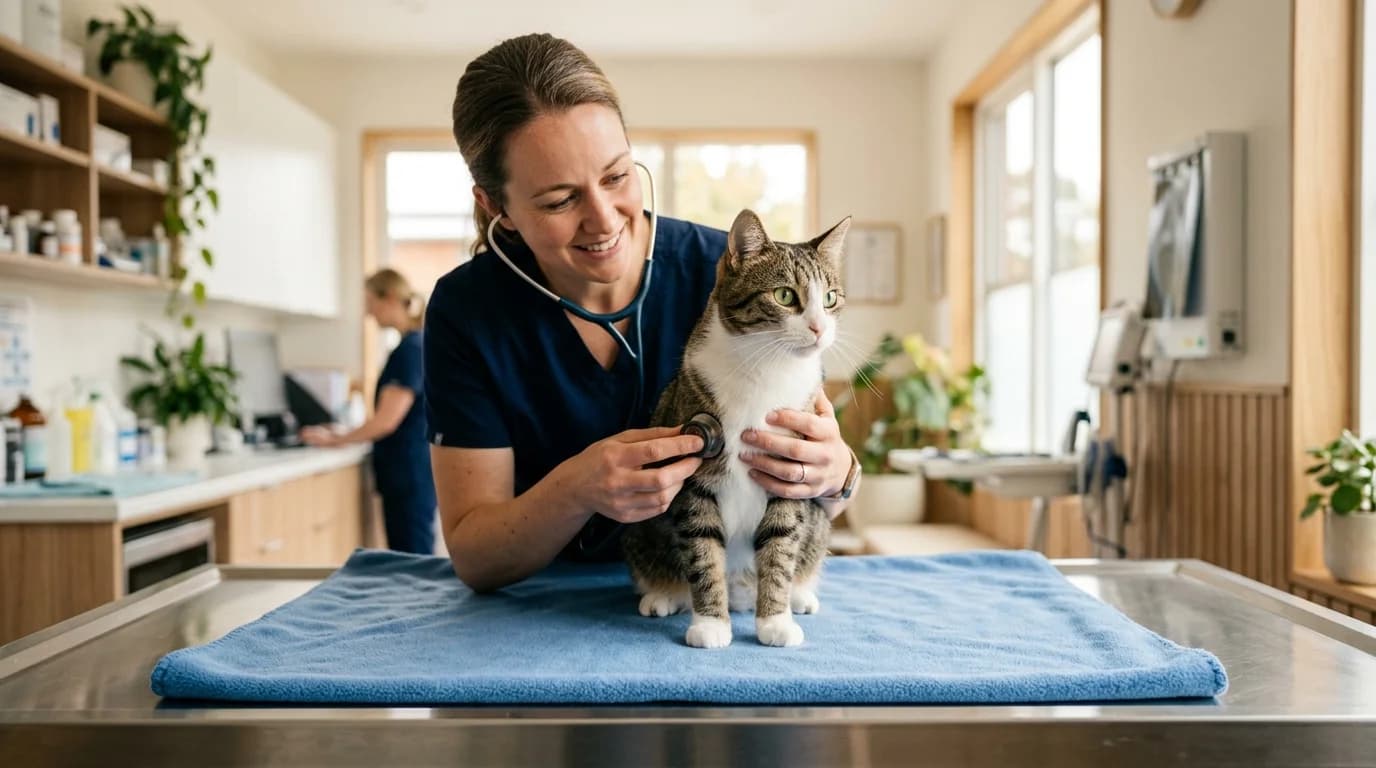
For decades, pet owners recited the popular rule of thumb that "one cat year equals seven human years." In modern feline medicine, board-certified veterinary practitioners and comparative biologists recognize this linear model as completely inaccurate. If the seven-year myth held true, a one-year-old cat would developmentally parallel a seven-year-old human child. In reality, a twelve-month-old cat has fully transitioned through puberty, attained adult dental dentition, reached sexual maturity, and possess the physiological independence of a 15-year-old human adolescent.
Feline aging is fundamentally non-linear. Cats undergo extraordinary somatic and neurological development within their first twenty-four months of life. Afterward, their physiological aging curve stabilizes into a steady, predictable metabolic trajectory.
To provide clinical clarity, the American Animal Hospital Association (AAHA) and the American Association of Feline Practitioners (AAFP) established standardized feline life-stage guidelines. These scientific frameworks replace folklore with evidence-based biological benchmarks.
Whether you share your home with an inquisitive kitten or a stately geriatric companion, understanding how your cat matures in human years empowers you to deliver proactive, life-extending medical and lifestyle care.
To determine your cat's exact biological milestone instantly, explore our interactive Cat Age Calculator or examine how canine and feline trajectories diverge in our clinical analysis of Dog vs Cat Aging Rate Differences.
The Scientific Feline Age Conversion Formula
Veterinary biogerontologists divide feline chronological maturation into two distinct kinetic phases: a rapid Juvenile Acceleration Phase followed by a stable Adult Somatic Phase.
                   FELINE CHRONOLOGICAL TO HUMAN AGE TRAJECTORY
  Human
  Years
    ^
 100|                                                          * [21 yrs = 100 human yrs]
  80|                                            * [16 yrs = 80 human yrs]
  60|                              * [11 yrs = 60 human yrs]
  40|                * [6 yrs = 40 human yrs]
  24|    * [2 yrs = 24 human yrs]
  15|  * [1 yr = 15 human yrs]
   0+---+----+----+----+----+----+----+----+----+----+----+----+----+-->
    0   1    2    4    6    8   10   12   14   16   18   20   22   24  Feline Years
        |    |
        +----+--> Phase 1: Rapid Juvenile Maturation (+15, then +9 human years)
             +---------------------------------------------------------> Phase 2: Steady Somatic Aging (+4 human years / calendar year)
1. Phase 1: Rapid Juvenile Maturation (Months 0 to 24)
- Year 1 (0 to 12 Months): A kitten matures at a staggering biological pace. By month 12, the cat attains somatic growth, hormonal puberty, and skeletal size equivalent to a 15-year-old human.
- Year 2 (13 to 24 Months): The cat consolidates behavioral maturity, musculoskeletal density, and immune competency, adding the equivalent of 9 human years. At age 2, the cat is developmentally equivalent to a 24-year-old young human adult.
2. Phase 2: Steady Adult Somatic Senescence (Year 3 and Beyond)
Once a cat reaches 24 months, cellular turnover, telomeric attrition, and metabolic demands settle into a steady, linear rhythm:
- Every subsequent feline calendar year equals approximately 4 human years.
The Universal Veterinary Mathematical Equation
For any adult cat aged 2 years or older, board-certified veterinarians compute human age equivalence using the following algebraic formula:
$$\text{Human Equivalent Age} = 24 + \Big((\text{Cat's Chronological Age in Years} - 2) \times 4\Big)$$
- Example for a 5-Year-Old Cat: $$\text{Human Age} = 24 + ((5 - 2) \times 4) = 24 + 12 = 36 \text{ human years}$$
- Example for a 12-Year-Old Senior Cat: $$\text{Human Age} = 24 + ((12 - 2) \times 4) = 24 + 40 = 64 \text{ human years}$$
Granular Kittenhood Growth: Month-by-Month Human Equivalents
During the first 12 months, calculating feline development requires month-by-month precision. The table below details early physiological milestones and their human developmental parallels:
| Kitten Age | Estimated Human Equivalent | Key Anatomical & Physiological Milestones | Core Clinical Interventions |
|---|---|---|---|
| 0 to 2 Weeks | 0 to 6 Months (Infant) | Eyes closed; thermoregulation absent; deciduous incisors un-erupted; relies exclusively on queen's colostrum/milk. | Daily weight logging (gains 10–15g/day); ambient warmth maintenance (85°F–90°F); maternal antibody transfer. |
| 4 Weeks (1 Mo) | 1 Year (Toddler) | Eyes fully open (blue iris); deciduous premolars erupt; voluntary locomotion and weaning initiation begin. | Introduction of wet kitten slurry; litter box acclimation; maternal deworming protocols against Toxocara cati. |
| 8 Weeks (2 Mo) | 2 to 3 Years (Early Childhood) | Complete deciduous dentition (26 teeth); weaning completed; maternal antibodies begin declining. | First FVRCP core vaccine (Panleukopenia, Herpesvirus, Calicivirus); fecal parasite flotation; microchip placement. |
| 12 Weeks (3 Mo) | 4 to 5 Years (Preschool) | Rapid socialization window; vigorous exploratory play; second FVRCP immunization. | FeLV/FIV retroviral screening; FeLV vaccination initiation for at-risk kittens; flea/tick prophylaxis. |
| 16 Weeks (4 Mo) | 8 to 10 Years (Preadolescence) | Deciduous incisors shed; permanent adult teeth erupt; FVRCP series completed. | Rabies vaccination administered; third deworming; adult dry/wet food transition planning. |
| 6 Months | 10 to 12 Years (Early Puberty) | All 30 permanent adult teeth erupted; growth plate mineral density advancing; onset of first estrus or territorial spraying. | Gonadectomy evaluation (pre-pubertal spay/neuter); pre-anesthetic blood panel; pediatric dental audit for retained deciduous teeth. |
| 9 Months | 13 to 14 Years (Adolescence) | Somatic bone elongation finishes; adult musculature fills out; territorial behaviors solidify. | Nutritional calorie regulation to prevent post-neutering adiposity; behavioral enrichment optimization. |
| 12 Months (1 Yr) | 15 Years (Mid-Teens) | Skeletal maturity reached in standard domestic breeds; adult immunological competency. | First annual adult booster vaccines; baseline adult wellness exam; transition from kitten to adult feline maintenance diet. |
Master Feline Age Conversion Chart (Years 1 to 25)
The following comprehensive reference chart maps domestic feline chronological age against estimated human equivalents, formal AAFP/AAHA life stages, and essential clinical diagnostic targets:
| Cat Age (Years) | Human Age Equivalent | Official AAFP Life Stage | Physiological & Clinical Status | Mandatory Veterinary Screening Protocols |
|---|---|---|---|---|
| 1 | 15 | Young Adult | Skeletal maturity; peak athletic agility; baseline immune stability. | Annual physical exam; core vaccine boosters; baseline oral health check. |
| 2 | 24 | Young Adult | Full behavioral maturity; permanent weight and conformation set. | Body condition scoring (target BCS 4–5/9); dietary calorie calculation. |
| 3 | 28 | Young Adult | Optimal metabolic prime; early plaque and tartar accumulation begins. | Periodontal evaluation; professional prophylactic dental cleaning if calculus present. |
| 4 | 32 | Young Adult | Musculoskeletal peak; high predatory play behavior. | Weight audit; monitor urinary habits (rule out early feline idiopathic cystitis). |
| 5 | 36 | Young Adult | Subtle decrease in basal metabolic rate; risk of creeping adiposity. | Routine wellness exam; blood pressure screening; heart murmur auscultation. |
| 6 | 40 | Young Adult | Conclusion of young adult stage; subtle joint cartilage wear begins. | Palpation for lumbar/coxofemoral tension; indoor enrichment audit. |
| 7 | 44 | Mature Adult | Cellular senescence accelerates; early subclinical nephron loss begins. | Baseline Senior Lab Panel: CBC, Chemistry, SDMA, complete urinalysis (USG + UPC). |
| 8 | 48 | Mature Adult | Increased incidence of dental resorptive lesions (FORLs); kidney filtration shifts. | Semi-annual or annual comprehensive bloodwork; oral dental radiography under anesthesia. |
| 9 | 52 | Mature Adult | Subclinical systemic arterial hypertension risk; subtle lens sclerosis. | Systolic blood pressure via Doppler; ophthalmologic fundic exam; muscle condition score (MCS). |
| 10 | 56 | Senior | Formal transition to senior category; elevated risk of thyroid and renal pathology. | Transition to Bi-Annual (every 6 mo) Exams: Total T4, SDMA, BUN, Creatinine, Electrolytes. |
| 11 | 60 | Senior | Degenerative joint disease (DJD) present in >70% of cats; grooming decline. | Orthopedic mobility assessment; environmental modification (lowered litter boxes, ramps). |
| 12 | 64 | Senior | Reduced digestive efficiency (fat and protein assimilation decrease). | Highly digestible animal protein nutrition; serum cobalamin (B12) and folate check. |
| 13 | 68 | Senior | Cognitive shifts emerge (altered sleep cycles, vocalization); cardiac monitoring. | Feline Cognitive Dysfunction audit; screening echocardiogram if murmur detected. |
| 14 | 72 | Senior | High prevalence of multi-morbidity (CKD + Hypertension + Osteoarthritis). | Bi-annual urinalysis with protein-to-creatinine ratio (UPC); blood pressure tracking. |
| 15 | 76 | Geriatric | "Super-Senior" classification; heightened vulnerability to systemic dehydration. | Increased hydration strategies (wet food, water fountains); renal phosphorus monitoring. |
| 16 | 80 | Geriatric | Muscle wasting (sarcopenia); sensory decline (hearing and vision loss). | Therapeutic joint support; environmental stability; pain management (e.g., anti-NGF mAbs). |
| 17 | 84 | Geriatric | Fragile metabolic homeostatic reserve; increased sleep requirements. | Tailored geriatric comfort care; gentle assisted grooming; heated orthopedic bedding. |
| 18 | 88 | Geriatric | Advanced octogenarian equivalent; exceptional feline longevity outlier. | Frequent non-stress wellness evaluations; appetite stimulation; subcutaneous fluid assessment. |
| 19 | 92 | Geriatric | Severe sarcopenia risk; fragile renal and thyroid regulation. | Quality-of-life scoring (HHHHHMM scale); palliative comfort protocols. |
| 20 | 96 | Geriatric | Centenarian equivalent; profound survival outlier requiring specialized husbandry. | Close daily monitoring of water, food, and litter box habits; palliative pain management. |
| 21 | 100 | Geriatric | Extraordinary feline centenarian milestone. | Dedicated hospice and comfort medicine; stress minimization. |
| 25 | 116 | Geriatric | Exceptional global longevity outlier (approaching world records). | Intensive individualized palliative and comfort care. |
The Four Official AAFP & AAHA Feline Life Stages Explained
The American Association of Feline Practitioners (AAFP) and the American Animal Hospital Association (AAHA) classify domestic felines into four primary life stages based on anatomical development, physiological requirements, and epidemiological disease risks:
+---------------------------------------------------------------------------------------------------+
|                                 AAFP / AAHA FELINE LIFE STAGE MATRIX                              |
+-------------------+--------------------+----------------------------------+-----------------------+
| 1. KITTEN         | 2. YOUNG ADULT     | 3. MATURE ADULT                  | 4. SENIOR / GERIATRIC |
| (0 to 12 Months)  | (1 to 6 Years)     | (7 to 10 Years)                  | (10+ Years / 15+ Yrs) |
| Human Eq: 0 - 15  | Human Eq: 15 - 40  | Human Eq: 44 - 56                | Human Eq: 56 - 76+    |
| • Growth Plates   | • Metabolic Peak   | • Subclinical Cellular Shift     | • Multi-Morbidity     |
| • Core Vaccines   | • Obesity Control  | • Early SDMA / CKD Detection     | • Bi-Annual Exams     |
| • Gonadectomy     | • FLUTD Prevention | • Periodontal Resorption (FORLs) | • Chronic Pain (DJD)  |
+-------------------+--------------------+----------------------------------+-----------------------+
Stage 1: Kitten (Birth to 1 Year / Human Equivalent: 0 to 15 Years)
The kitten life stage is defined by explosive cellular proliferation, skeletal ossification, behavioral socialization, and immunological maturation.
- Dentition Timeline: Deciduous teeth erupt between weeks 2 and 4. All 26 temporary teeth are replaced by 30 permanent adult teeth by 6 months of age.
- Immune Vulnerability: Kittens depend entirely on maternally derived antibodies (MDA) absorbed via colostrum during their first 24 hours. As MDA titers decline between weeks 6 and 16, kittens enter a critical "window of susceptibility," mandating an FVRCP vaccination every 3 to 4 weeks until at least 16 to 20 weeks of age.
- Gonadectomy Science: Modern veterinary consensus recommends spaying or neutering kittens prior to 5 to 6 months of age (often around 4 to 5 months). Spaying female kittens prior to their first estrous cycle reduces the lifetime risk of malignant feline mammary adenocarcinoma by over 91%, while eliminating uterine infections (pyometra) and unwanted litters.
Stage 2: Young Adult (1 to 6 Years / Human Equivalent: 15 to 40 Years)
During this stage, cats reach peak physical vigor, muscular strength, and behavioral confidence.
- The Silent Obesity Threat: Following gonadectomy, metabolic energy requirements drop by approximately 25% to 30%, while appetite frequently increases. Over 40% of adult domestic cats become overweight or obese, dramatically elevating the risks of secondary feline diabetes mellitus, hepatic lipidosis, and degenerative joint pathology.
- Feline Lower Urinary Tract Disease (FLUTD): Young adult cats, particularly indoor males fed exclusively dry extruded kibble, are highly prone to feline idiopathic cystitis (FIC) and urethral obstruction. Ensuring high dietary moisture through wet canned food and active water fountains is vital.
Stage 3: Mature Adult (7 to 10 Years / Human Equivalent: 44 to 56 Years)
Although mature adult cats appear youthful, their physiology experiences subtle cellular senescence and internal organ shifts.
- Subclinical Renal Changes: Feline nephrons gradually lose functional reserve. Screening serum Symmetric Dimethylarginine (SDMA) allows veterinarians to detect chronic kidney disease when only 25% to 40% of renal function is lost, years before conventional serum creatinine rises.
- Feline Odontoclastic Resorptive Lesions (FORLs): Over 60% of cats over age 6 develop painful tooth resorption beneath the gumline, requiring intraoral dental radiographs and surgical extraction under general anesthesia.
Stage 4: Senior & Geriatric (10+ to 15+ Years / Human Equivalent: 56 to 76+ Years)
Cats aged 10 and above are classified as Senior, while those reaching 15+ are categorized as Geriatric (Super-Senior).
- Multi-Systemic Pathologies: Senior felines rarely suffer from a single isolated ailment. More frequently, they navigate a triad of interlinked conditions: Chronic Kidney Disease (CKD), Systemic Arterial Hypertension, and Hyperthyroidism, frequently complicated by Degenerative Joint Disease (Osteoarthritis).
- Mandatory Bi-Annual Wellness Protocol: Because cats age four human years for every calendar year, an annual veterinary checkup in a senior cat equates to an elderly human visiting a physician only once every four to five years. Senior felines require comprehensive clinical examinations every six months, complete with blood pressure screening, urinalysis, and thyroid monitoring.
Comparative Biology: Why Cats Age More Uniformly Than Dogs
One of the most remarkable discoveries in comparative zoology and veterinary epidemiology is the fundamental difference between canine and feline aging patterns:
                           CANINE VS. FELINE AGING DYNAMICS
+---------------------------------------------------------------------------------------------------+
| Feature                      | Domestic Cat (Felis catus)     | Domestic Dog (Canis lupus)       |
+------------------------------+--------------------------------+-----------------------------------+
| Morphological Size Range     | Highly Uniform (3 to 6 kg)     | Massive Divergence (1 to 90+ kg)  |
| Growth Rate Variation        | Conserved across all breeds    | Rapid in large/giant breeds       |
| Basal IGF-1 Hormone Levels   | Moderate, highly stable        | Markedly elevated in giant dogs   |
| Median Lifespan Variance     | Narrow (12 to 17 years)        | Broad (6 to 16 years)             |
| Primary Senior Mortality     | Renal, Endocrine, Neoplastic   | Neoplastic, Degenerative, Cardiac |
+---------------------------------------------------------------------------------------------------+
1. Morphological Conservation vs. Selective Gigantism
Selective dog breeding produced a 40-fold difference in adult canine body weight, from a 2-pound Chihuahua to a 200-pound English Mastiff. In sharp contrast, domestic cats have retained their ancestral size blueprint (Felis lybica), generally weighing between 7 and 13 pounds (3 to 6 kg). Because all domestic cats grow at comparable rates, they do not suffer from the accelerated telomeric erosion, high oxidative stress, and rapid senescence seen in giant-breed dogs.
2. The Insulin-Like Growth Factor 1 (IGF-1) Axis
In dogs, cellular senescence and cancer risk correlate directly with elevated circulating IGF-1, which stimulates rapid puppy growth but accelerates somatic aging. Cats maintain uniform, moderate baseline IGF-1 levels throughout life, explaining why a domestic cat routinely lives to 15 or 18 years, outliving large and giant dogs by nearly a decade.
For an in-depth epigenetic examination of the logarithmic canine formula, review our guide on the Scientific Epigenetic Dog Age Formula.
Indoor vs. Outdoor Cats: The Dramatic Longevity Divergence
No single lifestyle factor impacts feline longevity more decisively than living environment. Epidemiological studies conducted across North America and Europe confirm a massive survival gap between indoor and free-roaming felines:
                       MEDIAN SURVIVAL: INDOOR VS. OUTDOOR CATS
+---------------------------------------------------------------------------------------------------+
| Environment Type             | Median Lifespan                | Primary Mortality Determinants    |
+------------------------------+--------------------------------+-----------------------------------+
| Strictly Indoor Cats         | 13 to 17+ Years                | Renal failure, neoplasia, heart   |
| Indoor / Supervised Outdoor  | 10 to 14 Years                 | Minor trauma, parasitic exposure  |
| Unsupervised Free-Roaming    | 3 to 7 Years                   | Vehicle trauma, dog/coyote attacks|
| Feral / Stray Population     | 2 to 4 Years                   | Retroviruses (FeLV/FIV), sepsis   |
+---------------------------------------------------------------------------------------------------+
Why Free-Roaming Cats Age Prematurely
Outdoor cats live under relentless physiological and immunological stress:
- Fatal Physical Trauma: Vehicular blunt force trauma, animal predation (coyotes, dogs, raptors), and falls constitute the leading causes of sudden death in outdoor cats.
- Infectious Retroviruses: Free-roaming outdoor cats face high transmission rates of Feline Leukemia Virus (FeLV) and Feline Immunodeficiency Virus (FIV), transmitted through bite wounds, shared bowls, and reproductive contact.
- Environmental Toxins: Ingestion of toxic rodenticides, ethylene glycol (antifreeze), and common garden flora such as True Lilies (Lilium and Hemerocallis species—where even licking pollen causes acute, fatal tubular necrosis and renal failure within 36 hours).
- Parasitic Burden: Heavy flea, tick, heartworm, lungworm, and gastrointestinal nematode infections trigger chronic immune activation and persistent systemic inflammation.
Optimizing Health for Strictly Indoor Cats
While keeping cats indoors dramatically prolongs life, it introduces specific health risks that owners must proactively manage:
- Sedentary Adiposity: Indoor felines lack natural predatory opportunities, frequently developing obesity. Combat this by installing vertical territory (cat trees, wall perches) and using interactive feeding puzzles.
- Environmental Stress & FIC: Chronic sensory under-stimulation and territorial stress can trigger neuroendocrine flare-ups of Feline Idiopathic Cystitis (FIC). Implement the "Five Pillars of Feline Environmental Needs" endorsed by the AAFP.
Breed Lifespans & Genetic Predispositions
While random-bred domestic cats (Domestic Shorthair and Domestic Longhair) benefit from broad genetic diversity (hybrid vigor) and average 14 to 17 years, specific purebred feline lines carry documented longevity advantages or hereditary medical vulnerabilities:
| Breed Name | Average Lifespan | Longevity Index | Hallmark Genetic Predispositions & Health Vulnerabilities |
|---|---|---|---|
| Siamese & Balinese | 15 to 20+ Years | Exceptionally High | Prone to amyloidosis, asthma/bronchitis, and progressive retinal atrophy (rdAc); noted for exceptional longevity. |
| Burmese & Tonkinese | 16 to 18+ Years | Exceptionally High | Predisposed to cranial deformities, feline orofacial pain syndrome (FOPS), and adult-onset diabetes mellitus. |
| Russian Blue | 15 to 18 Years | Very High | Excellent health profile; low incidence of hereditary congenital defects; prone to adult obesity if overfed. |
| Domestic Shorthair (DSH) | 14 to 17 Years | High | Broad genetic diversity; low incidence of breed-specific congenital mutations; susceptible to lifestyle obesity and CKD. |
| Maine Coon | 11 to 13 Years | Moderate | Mutation in myosin-binding protein C (MYBPC3) predisposing to Hypertrophic Cardiomyopathy (HCM); hip dysplasia. |
| Persian & Exotic Shorthair | 12 to 14 Years | Moderate | Autosomal dominant Polycystic Kidney Disease (PKD1); brachycephalic airway syndrome; chronic corneal ulcers. |
| Ragdoll | 12 to 15 Years | Moderate-High | Genetic predisposition to Hypertrophic Cardiomyopathy (HCM); feline lower urinary tract disease (calcium oxalate uroliths). |
| Sphynx | 10 to 14 Years | Moderate | Prone to hereditary HCM; elevated basal caloric expenditure required for thermoregulation; hereditary urticaria pigmentosa. |
| Birman | 12 to 16 Years | Moderate-High | Familial neonatal isoerythrolysis (blood type B); idiopathic chronic renal disease; corneal dystrophy. |
Recognizing the "Hidden" Signs of Aging: How Cats Conceal Pain
Domestic cats retain the instinctual survival behaviors of their wild ancestor, Felis lybica. In nature, demonstrating illness or physical vulnerability invites attack from competing predators and expulsion from territory. Consequently, cats conceal pain and chronic discomfort with extraordinary stoicism.
Pet owners frequently assume an aging cat is "just slowing down," when in reality, the animal is quietly struggling with manageable chronic disease:
                             HOW AGING CATS CONCEAL COMMON DISEASES
+-----------------------+----------------------------------+----------------------------------------+
| Chronic Condition     | What Owners Typically See        | What Is Actually Occurring             |
+-----------------------+----------------------------------+----------------------------------------+
| Feline Osteoarthritis | Cat sleeps more; avoids jumping; | Severe bilateral articular cartilage   |
| (Affects 90%+ age 12+)| unkempt matted fur on back.      | erosion; coxofemoral/stifle pain.      |
+-----------------------+----------------------------------+----------------------------------------+
| Chronic Kidney Disease| Cat drinks more water; urines    | Loss of >67% functional nephrons;      |
| (IRIS Stages 1–4)     | larger clumps; mild halitosis.   | impaired urine concentrating capacity. |
+-----------------------+----------------------------------+----------------------------------------+
| Hyperthyroidism       | Cat has active appetite; acts    | Autonomous thyroid adenoma pumping     |
| (Elevated Total T4)   | playful; vocalizes at night.     | excess thyroxine; cardiac hypertrophy. |
+-----------------------+----------------------------------+----------------------------------------+
| Feline Dental Disease | Cat swallows dry kibble whole;   | Severe subgingival resorptive lesions  |
| (FORLs / Gingivitis)  | avoids hard treats; drops food.  | exposing sensitive pulp nerves.        |
+-----------------------+----------------------------------+----------------------------------------+
1. Feline Osteoarthritis: The Underdiagnosed Epidemic
Radiographic investigations reveal that over 90% of cats over the age of 12 exhibit degenerative joint disease (DJD). Unlike dogs, cats with arthritis rarely limp. Instead, they exhibit subtle behavioral adaptations:
- Hesitating before leaping onto windowsills or sofas.
- Utilizing intermediate steps or low furniture as "stepping stones."
- Defecating or urinating immediately outside the litter box because climbing over high-sided plastic rims causes hip or lumbar pain.
- Matted, unkempt fur along the lower back and tail base because spinal stiffness prevents normal grooming flexibility.
2. Chronic Kidney Disease (CKD): Early Compensatory Signs
Kidney disease is the leading cause of non-accidental mortality in senior felines. Hallmark early indicators include:
- Compensatory Polydipsia and Polyuria: The cat drinks noticeably more water and fills the litter box with larger clumps of urine as the kidneys lose their concentration gradient.
- Gradual Weight Loss & Muscle Sarcopenia: Subtle loss of epaxial muscle mass along the dorsal spine, even if overall appetite appears unchanged.
- Uremic Halitosis: A distinct chemical or ammoniacal odor on the breath caused by circulating metabolic waste products.
3. Feline Cognitive Dysfunction Syndrome (FCDS)
Similar to Alzheimer's disease in humans, felines over age 11 to 14 frequently develop neurodegenerative cognitive dysfunction. Veterinarians evaluate feline mental decline using the DISHA diagnostic framework:
- D - Disorientation: Wandering aimlessly, staring blankly at walls, or getting trapped behind doors.
- I - Interaction Shifts: Uncharacteristic clinginess, irritability, or aloof detachment from family members.
- S - Sleep-Wake Reversals: Sleeping soundly through the day and prowling restlessly while vocalizing plaintively at 3:00 AM.
- H - House-Soiling: Forgetting the location of litter boxes or losing voluntary house-training habits.
- A - Activity Changes: Reduced purposeful exploration and loss of interest in favorite interactive games.
Clinical Preventive Wellness Roadmap Across Life Stages
To maximize your cat's healthspan and detect occult diseases while they remain treatable, adhere to this clinical wellness roadmap recommended by the AAFP and licensed veterinary practitioners:
                            LIFETIME FELINE PREVENTIVE PROTOCOL
+---------------------------------------------------------------------------------------------------+
| Age Category        | Visit Frequency   | Diagnostic Screenings & Clinical Interventions         |
+---------------------+-------------------+---------------------------------------------------------+
| Kitten (0–12 Mo)    | Every 3–4 Weeks   | • FVRCP booster series; Rabies; FeLV vaccine.           |
|                     | (up to 16–20 wks) | • Fecal flotation for endoparasites; retroviral PCR.    |
|                     |                   | • Pediatric spay/neuter at 4–5 months; microchip.       |
+---------------------+-------------------+---------------------------------------------------------+
| Young Adult (1–6 Yr)| Annual (Every 12 Mo)| • Comprehensive physical exam & dental scoring.       |
|                     |                   | • Core vaccine boosters as indicated.                  |
|                     |                   | • Nutritional body condition scoring (BCS audit).       |
+---------------------+-------------------+---------------------------------------------------------+
| Mature Adult (7–9 Yr| Annual to         | • Baseline Senior Chemistry, CBC, and SDMA assay.       |
|                     | Semi-Annual       | • Complete urinalysis (USG, protein, sediment).         |
|                     |                   | • Prophylactic dental ultrasonic cleaning & charting.  |
+---------------------+-------------------+---------------------------------------------------------+
| Senior & Geriatric  | Semi-Annual       | • Comprehensive physical examination every 6 months.   |
| (10+ Years)         | (Every 6 Months)  | • Complete CBC, Chemistry 17, SDMA, and Total T4.       |
|                     |                   | • Doppler systolic blood pressure measurement.          |
|                     |                   | • Urine protein-to-creatinine (UPC) ratio screen.       |
|                     |                   | • Targeted pain assessment for degenerative arthritis.  |
+---------------------------------------------------------------------------------------------------+
Essential Dietary & Hydration Pillars for Aging Felines
- Prioritize Moisture (The Wet Food Imperative): Cats possess an evolutionarily low thirst drive inherited from desert-dwelling ancestors (Felis lybica). Feeding dry kibble forces chronic mild subclinical dehydration, stressing aging renal nephrons. Feeding high-protein, moisture-rich canned wet food or adding filtered warm water is one of the most effective ways to preserve feline renal health.
- Controlled Dietary Phosphorus: In cats over 7 to 10 years of age, excess dietary phosphorus accelerates kidney damage. Consult your veterinarian regarding early renal support diets featuring high-biological-value protein paired with restricted phosphorus.
- Targeted Omega-3 Fatty Acids (EPA & DHA): Marine-sourced fish oils rich in eicosapentaenoic acid (EPA) and docosahexaenoic acid (DHA) provide proven anti-inflammatory benefits for feline joint cartilage and glomerular filtration health.
Frequently Asked Questions
Why is the "multiply by 7" rule incorrect for cats?
The traditional rule of multiplying your cat's age by 7 fails because feline biological development is front-loaded and non-linear. A one-year-old cat is sexually mature and physiologically equivalent to a 15-year-old human adolescent, not a 7-year-old child. By age two, the cat has matured into the equivalent of a 24-year-old human adult. Afterward, cats age at a steady rate of approximately 4 human years per calendar year.
How old is a 10-year-old cat in human years?
A 10-year-old cat is equivalent to 56 human years. Using the veterinary formula: $$\text{Human Age} = 24 + ((10 - 2) \times 4) = 24 + 32 = 56 \text{ human years}$$ At 10 years of age, a cat officially crosses the threshold into the Senior life stage and should begin receiving bi-annual (twice-yearly) veterinary wellness exams.
How long do indoor cats live compared to outdoor cats?
Strictly indoor domestic cats enjoy an average lifespan of 13 to 17 years (with many living to 18, 20, or beyond with attentive care). In contrast, unsupervised free-roaming outdoor cats suffer a severely truncated lifespan of 2 to 5 years, driven by vehicle strikes, infectious retroviruses (FeLV, FIV), predator attacks, and environmental toxin ingestion.
At what age is a cat considered a senior?
Under official AAFP and AAHA Feline Life Stage Guidelines, a cat is formally designated a Senior at 10 years of age (equivalent to 56 human years). Cats aged 15 and older (equivalent to 76 human years) are classified as Geriatric or "Super-Senior."
What are the earliest signs that my cat is aging or in pain?
Because felines instinctively conceal pain, early signs of aging and degenerative joint disease are behavioral rather than obvious limping:
- Reluctance or hesitation before jumping up onto or down from furniture.
- Urinating or defecating right next to the litter box to avoid climbing high edges.
- Matted fur on the lower back and hindquarters due to spinal stiffness during grooming.
- Increased thirst (polydipsia) and larger urine volume in the litter box (early kidney disease marker).
- Excessive nocturnal vocalization or wandering restlessly at night (cognitive dysfunction or hyperthyroidism).
Can an indoor cat live to 20 years old?
Yes. An age of 20 feline years represents approximately 96 human years. While reaching two decades requires protective genetics, many domestic cats achieve this milestone through strictly indoor living, lean body condition, high-moisture nutrition, proactive dental health, and bi-annual senior veterinary wellness checkups with early blood and urine screening.
References & Peer-Reviewed Scientific Literature
- Quimby, J., et al. (2021). 2021 AAHA/AAFP Feline Life Stage Guidelines. Journal of the American Animal Hospital Association, 57(2), 51–72. doi: 10.5326/JAAHA-MS-7189.
- Ray, M., et al. (2021). 2021 AAFP Feline Senior Care Guidelines. Journal of Feline Medicine and Surgery, 23(7), 613–638. doi: 10.1177/1098612X211025737.
- Vogt, A. H., et al. (2010). AAFP-AAHA Feline Life Stage Guidelines. Journal of Feline Medicine and Surgery, 12(1), 43–54. doi: 10.1016/j.jfms.2009.12.006.
- Hardie, E. M., Roe, S. C., & Martin, F. R. (2002). Radiographic evidence of degenerative joint disease in geriatric cats: 100 cases (1994–1997). Journal of the American Veterinary Medical Association (JAVMA), 220(5), 628–632. doi: 10.2460/javma.2002.220.628.
- Polzin, D. J. (2011). Chronic kidney disease in small animals. Veterinary Clinics of North America: Small Animal Practice, 41(1), 15–30. doi: 10.1016/j.cvsm.2010.09.004.
- Hall, J. A., et al. (2014). Serum concentrations of symmetric dimethylarginine and creatinine in cats with naturally occurring chronic kidney disease. Journal of Veterinary Internal Medicine, 28(6), 1676–1683. doi: 10.1111/jvim.12452.
- Slingerland, L. I., et al. (2009). Indoor confinement and physical inactivity as risk factors for feline diabetes mellitus. The Veterinary Journal, 179(2), 249–253. doi: 10.1016/j.tvjl.2007.09.002.
- Overgaauw, P. A., et al. (2020). Zoonotic parasites in feline populations and preventive strategies. Veterinary Parasitology, 277, 108998. doi: 10.1016/j.vetpar.2019.108998.
- Gunn-Moore, D. A. (2011). Cognitive dysfunction in cats: clinical assessment and management. Journal of Feline Medicine and Surgery, 13(7), 513–521. doi: 10.1016/j.jfms.2011.05.008.
Veterinary Medical Disclaimer: This article is provided exclusively for educational and informational purposes and does not substitute for individualized clinical veterinary examinations, diagnosis, or targeted therapeutic intervention. Felines possess a pronounced biological instinct to conceal symptoms of pain and chronic illness. If your cat exhibits subtle shifts in water consumption, litter box habits, jumping hesitation, unkempt grooming, or behavioral alterations, contact a licensed veterinary medical practitioner immediately.