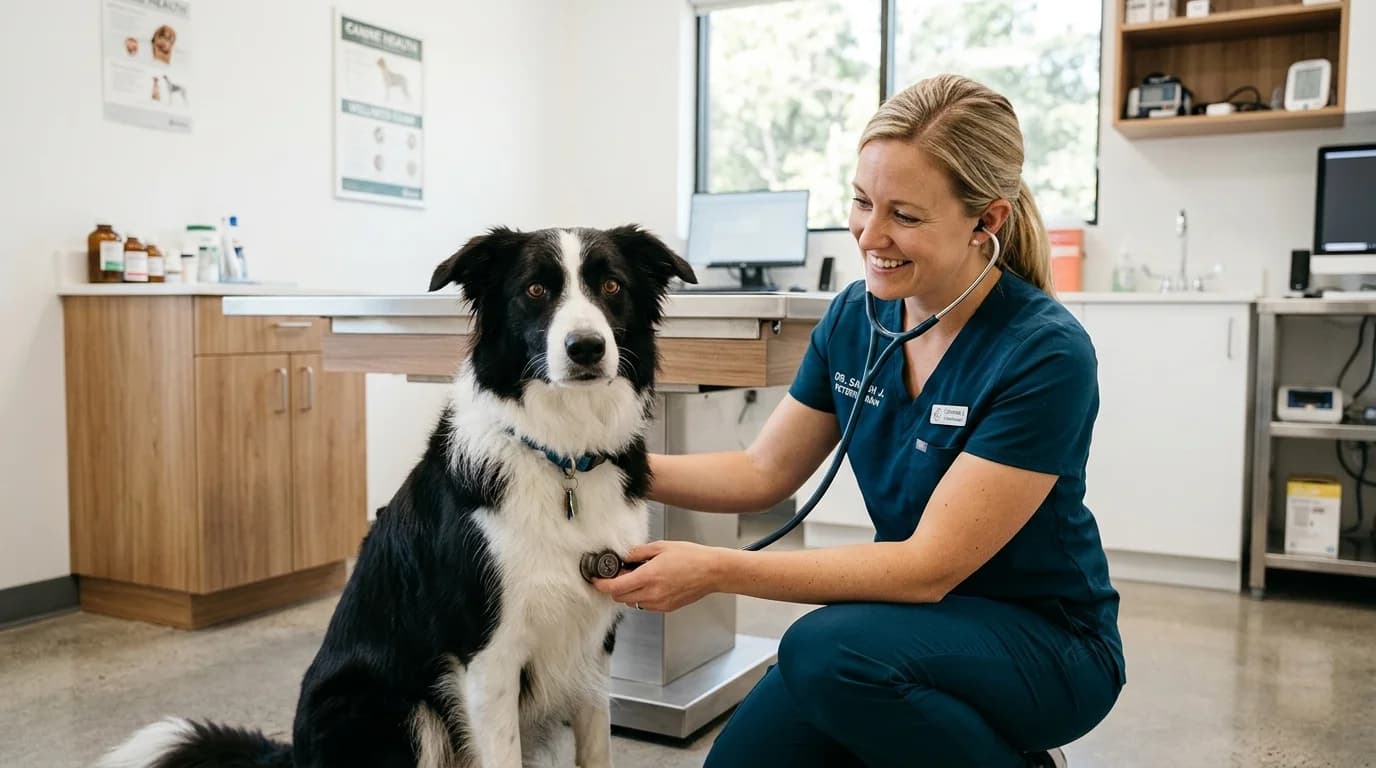
The Border Collie (Canis lupus familiaris, American Kennel Club Herding Group; Fédération Cynologique Internationale Group 1: Sheepdogs and Cattledogs, Section 1: Sheepdogs) is universally recognized by veterinary behaviorists, comparative neuroscientists, and working dog trialists as the apex working and pastoral canine on Earth. Developed in the rugged, storm-swept borderlands between Scotland and England—specifically the rolling hills of Northumberland and the Scottish Borders—the breed's ancestry was shaped by centuries of pastoral selection prioritizing relentless stamina, hyper-focused motor patterns, and unmatched trainability. The modern breed traces almost entirely to a single foundational sire, "Old Hemp" (whelped in 1893 by Adam Telfer in West Woodburn, Northumberland), whose quiet, intensely focused, and non-barking herding style revolutionized stockmanship and established the definitive genetic blueprint for the breed.
Morphologically and biomechanically, the Border Collie represents a masterpiece of athletic efficiency, agility, and functional balance:
- Mature Somatic Mass: Adult males typically achieve 30 to 45 pounds ($13.6\text{ to }20.4\text{ kg}$), with height at the withers measuring 19 to 22 inches ($48\text{ to }56\text{ cm}$); mature females weigh between 27 to 42 pounds ($12.2\text{ to }19.1\text{ kg}$), standing 18 to 21 inches ($46\text{ to }53\text{ cm}$). This moderate somatic scale avoids both the metabolic fragility of toy breeds and the massive mechanical/oncological burdens that penalize giant dogs.
- Cranial and Conformation Architecture: Skull of moderate length with a distinct stop, tapering muzzle, strong scissor bite, and moderately spaced, highly mobile semi-erect or erect ears. The eyes are set well apart, almond-shaped, and convey the intense, hypnotic herding focus classically termed "the eye" (a predatory motor stalking fixation redirected into herding livestock).
- Coat Phenotype and Ergonomics: Two distinct coat varieties: the traditional medium-length "rough" double coat featuring feathering on the forelegs, chest, and haunches, and the shorter, practical "smooth" coat. While the classic presentation is a dense black-and-white bicolor with a clean facial blaze and white collar, the breed exhibits a rich palette of acceptable phenotypes, including red-and-white, tricolor, blue merle, red merle, and slate tricolor.
From a comparative biogerontological standpoint, the Border Collie occupies an enviable position in canine life-expectancy metrics. Unlike giant molosser breeds that frequently succumb to accelerated skeletal wear and aggressive sarcomas before age 8, Border Collies enjoy a robust median life expectancy of 12 to 15 years, with dedicated, health-screened individuals regularly surpassing 15 to 17+ years.
However, this extraordinary longevity introduces distinct clinical trade-offs. The breed carries unique genetic vulnerabilities—most notably the $MDR1$ ($ABCB1$) multi-drug sensitivity mutation, Collie Eye Anomaly (CEA), and idiopathic epilepsy—alongside intense athletic wear-and-tear, heat-stress syndromes like Border Collie Collapse (BCC), and high susceptibility to Canine Cognitive Dysfunction (CCD) as their active, high-order cerebral neural networks age.
To calculate your Border Collie's exact biological life stage and translate chronological canine years into calibrated human developmental equivalents, utilize our interactive Dog Age Calculator or examine our comprehensive Dog Age Chart.
Epidemiological Baseline: How Long Do Border Collies Live?
Extensive longitudinal epidemiological datasets—including the Royal Veterinary College's VetCompass programme (UK), the UK Kennel Club Purebred Dog Health Survey, the Agria Swedish Pet Insurance actuarial database, and North American academic referral databases—provide definitive metrics regarding Border Collie longevity and mortality trajectories.
                 BORDER COLLIE LIFESPAN BY COHORT & REGISTRY
+------------------------------------+------------------+-------------------+-----------------------------------------+
| Registry / Cohort Database         | Sample Size (n)  | Reported Median   | Epidemiological Context / Methodology   |
+------------------------------------+------------------+-------------------+-----------------------------------------+
| VetCompass UK (Royal Vet College)  | 3,425 dogs       | 12.10 – 13.50 Yrs | Primary-care electronic health records  |
| UK Kennel Club Purebred Census     | 2,600+ deaths    | 12.25 – 13.50 Yrs | Purebred mortality census & health survey|
| Swedish Agria Actuarial Database   | 14,800+ dog-yrs  | 12.30 – 13.40 Yrs | Longitudinal veterinary insurance claims|
| North American VMDB (Univ Hosps)   | 4,200+ records   | 12.00 – 13.80 Yrs | Academic tertiary referral registries   |
| Australian National Health Survey  | 1,120 dogs       | 12.50 – 14.00 Yrs | Working & companion herd dog registry   |
| Proactive Longevity Cohort         | Clinical Cohort  | 14.50 – 17.00+ Yrs| MDR1 cleared, lean BCS, neuro-screened  |
+------------------------------------+------------------+-------------------+-----------------------------------------+
                 BORDER COLLIE SURVIVAL CURVE (KAPLAN-MEIER)
   Survival
   Probability (%)
     ▲
 100 │══════════════════════════════════════════╗
  80 │                                          ╚═════════════╗
  60 │                                                        ╚══════════════╗
  50 │- - - - - - - - - - - - - - - - - - - - - - - - - - - - - - - - - - - -╚════ (Median: 12.8–13.5 yrs)
  40 │                                                                             ╚═════════════╗
  20 │                                                                                           ╚══════════╗
   0 └───┴─────┴─────┴─────┴─────┴─────┴─────┴─────┴─────┴─────┴─────┴─────┴─────┴─────┴─────┴─────┴─────┴─────►
     0   1     2     3     4     5     6     7     8     9    10    11    12    13    14    15    16    17    18
                               Chronological Age (Years)
The Kaplan-Meier survival curve for the Border Collie demonstrates three clinically well-defined physiological phases:
- The Pediatric & Neuromuscular Development Phase (Ages 0 to 3): Mortality during this interval is exceptionally low ($<2.5%$), dominated primarily by congenital structural or enzymatic defects: Trapped Neutrophil Syndrome (TNS), severe early-onset Neuronal Ceroid Lipofuscinosis (NCL5), or juvenile trauma associated with high-drive working environments. Orthopedic vulnerabilities such as Shoulder Osteochondritis Dissecans (OCD) and coxofemoral hip laxity present during this window.
- The High-Performance Athletic Adulthood Phase (Ages 4 to 9): The survival curve remains remarkably horizontal throughout early and mature adulthood. The dominant clinical concerns during this phase are functional rather than lethal: cranial cruciate ligament (CCL) ruptures, carpal hyperextension injuries, heat-related collapse during vigorous trialing, and the emergence of idiopathic epilepsy (which typically manifests between ages 2 and 5). Dogs carrying unmanaged drug sensitivities ($MDR1$) remain at constant iatrogenic risk.
- The Geriatric & Neurodegenerative Plateau (Ages 10 to 16+): Beginning at approximately age 10, the slope transitions downward as chronic degenerative processes take hold. Unlike giant dogs whose mortality is heavily skewed toward fulminant osteosarcoma or hemangiosarcoma, geriatric Border Collies experience a balanced spectrum of age-related mortalities: lymphoid/epithelial neoplasms, chronic kidney disease (CKD), advanced polyarticular osteoarthritis, and Canine Cognitive Dysfunction (CCD), which frequently impacts owner quality-of-life assessments.
Sex-Specific and Gonadal Longevity Disparities
Epidemiological evaluations demonstrate nuanced longevity variances governed by biological sex and the physiological timing of elective desexing:
- Female Border Collies: Display a modest median survival advantage of approximately 0.5 to 0.9 years over males, averaging 12.8 to 13.7 years. Intact and altered females benefit from lower average somatic mass ($27–42\text{ lbs}$ vs. $30–45+\text{ lbs}$ in males), placing reduced cumulative load on appendicular joints and the cardiovascular apparatus.
- Male Border Collies: Median lifespan ranges between 12.2 and 13.0 years. Working and high-drive intact males exhibit slightly higher rates of cumulative musculoskeletal microtrauma, prostatic hyperplasia in late life, and traumatic sports injuries.
- Gonadectomy Timing Dynamics: Research by Hart et al. (Frontiers in Veterinary Science, 2020) at UC Davis indicates that Border Collies do not face the extreme joint-disorder elevation observed in Golden Retrievers or German Shepherds when desexed early. However, in working, agility, and flyball dogs, delaying gonadectomy until skeletal growth plate closure (12 to 15 months) is strongly advised by veterinary sports medicine specialists. Circulating sex steroids govern the timely closure of distal radial and tibial physes; premature gonadectomy before 12 months leads to slightly longer, lighter limbs with altered biomechanical joint angles, predisposing agile canine athletes to cranial cruciate ligament (CCL) insufficiency.
To understand how body mass, metabolic rate, and evolutionary pressure dictate life expectancy across diverse dog breeds, review our foundational guide on Why Small Dogs Live Longer Than Large Dogs.
Biogerontology: Cellular Energetics, the IGF1 Axis & Aerobic Longevity
The Border Collie's outstanding longevity relative to other medium and large breeds is governed by an advantageous convergence of somatic scaling, aerobic mitochondrial adaptation, and balanced intracellular signaling.
                    SOMATIC & CELLULAR BIOMARKER COMPARISON
+-----------------------------+-------------------------------+-------------------------------+-------------------------------+
| Physiological Biomarker     | Border Collie                 | Giant Breed (Bernese/Mastiff) | Toy Breed (Chihuahua/Yorkie)  |
+-----------------------------+-------------------------------+-------------------------------+-------------------------------+
| Adult Somatic Mass          | 13.5 – 20.5 kg (30–45 lbs)    | 40.0 – 55.0+ kg (88–120+ lbs) | 2.0 – 4.0 kg (4.4–8.8 lbs)    |
| Juvenile Growth Velocity    | Moderate (~40–60 g/day)       | Extreme (~120–160 g/day)      | Minimal (~10–20 g/day)        |
| Circulating Serum IGF-1     | Balanced / Moderate           | Markedly Elevated             | Basal / Suppressed            |
| Basal Intracellular mTOR    | Regulated                     | Hyperactivated                | Attenuated                    |
| Autophagic Flux & Mitophagy | Robust & Active               | Suppressed / Downregulated    | Preserved                     |
| Skeletal Muscle VO2 Max     | Exceptionally High (>180 ml/kg)| Moderate (~90–110 ml/kg)      | Low-to-Moderate (~80 ml/kg)   |
| Endogenous Antioxidant Cap. | High (Upregulated SOD2/GPx)   | Moderate                      | Elevated                      |
+-----------------------------+-------------------------------+-------------------------------+-------------------------------+
            THE BORDER COLLIE BIOLOGICAL LONGEVITY ARCHITECTURE

       MODERATE CHROMOSOME 15 IGF1 PHENOTYPE & CONTROLLED SOMATOTROPIC AXIS
       * Balanced juvenile Insulin-like Growth Factor 1 (IGF-1) circulating levels
       * Avoidance of excessive somatotropic bone/cartilage hypertrophy
            │
            ▼
       PRESERVED MACROAUTOPHAGY & MITOCHONDRIAL TURNOVER
       * Moderate mTORC1 activation allows periodic autophagic induction
       * Efficient mitophagy clears damaged mitochondrial fragments
       * Lower basal accumulation of lipofuscin and ubiquitinated aggregates
            │
            ▼
       HIGH AEROBIC WORKING PHENOTYPE & METABOLIC ADAPTATION
       * High cardiac stroke volume, high capillary density in skeletal muscle
       * Elevated oxidative phosphorylation -> Higher baseline reactive oxygen species (ROS)
       * Compensatory upregulation of endogenous Superoxide Dismutase (SOD) & Catalase
            │
            ▼
       CHRONIC VULNERABILITY LOCI (THE WEAR-AND-TEAR PENALTY)
       * Neurochemical intensity -> Neurotransmitter exhaustion & late-onset CCD
       * High mechanical torque -> Shoulder OCD, carpal strain, bilateral CCL tears
       * Pharmacogenomic lesion -> Blood-brain barrier permeability ($MDR1$)
            │
            ▼
       LONG-LIVED GERIATRIC PLATEAU (Ages 12 to 15+)
       * High physiological resilience enables prolonged healthy senior life
       * Precision veterinary intervention targets joint mobility & cerebral metabolism
1. Moderate Somatotropic Signaling (IGF1) & Preserved Autophagy
Genomic investigations led by Sutter et al. (Science, 2007) and Ostrander et al. demonstrated that allelic variants at the Insulin-like Growth Factor 1 (IGF1) locus on canine chromosome 15 serve as the principal dial regulating body mass across domestic canids.
In Border Collies, the IGF1 genotype produces a moderate circulating concentration of IGF-1:
- Autophagic Balance: Unlike giant breeds where continuous, extreme IGF-1 receptor activation causes relentless downstream signaling through the PI3K / Akt / mTORC1 cascade, Border Collies maintain normal homeostatic cycles of mTOR activation and inhibition.
- During rest and caloric fasting, mTORC1 downregulation triggers macroautophagy—the physiological process whereby cells encapsulate, degrade, and recycle misfolded protein aggregates, damaged cellular membranes, and defective organelles. This continuous cellular housekeeping protects their myocardium, renal glomeruli, and central nervous system from early senescent decay.
2. High Aerobic Capacity, Mitochondrial Density & Kleiber's Law
Canine basal metabolic rate scales with body mass according to Kleiber's Law:
$$\text{BMR} \propto M^{0.75}$$
Where $M$ is canine somatic mass. Border Collies, selected over two centuries for non-stop gathering and hill-running on Scottish fells, exhibit an extraordinarily high density of Type I (slow-twitch oxidative) and Type IIA (fast-twitch oxidative) muscle fibers with dense mitochondrial networks:
- The Oxidative Stress Trade-Off: The high mitochondrial flux required for intense work generates substantial quantities of intracellular superoxide anions ($O_2^{\bullet-}$) and hydrogen peroxide ($H_2O_2$) via electron leakage at Complex I and Complex III of the respiratory chain.
- Endogenous Antioxidant Enzymes: Long-lived Border Collie bloodlines exhibit robust gene expression for endogenous antioxidant enzymes—specifically Manganese Superoxide Dismutase ($MnSOD/SOD2$), Glutathione Peroxidase ($GPx$), and Catalase ($CAT$). However, as dogs enter advanced age (past 10 years), endogenous antioxidant defenses naturally decline, making external dietary antioxidant and mitochondrial cofactor supplementation clinically vital.
3. Epigenetic Methylation Dynamics in Border Collies
Groundbreaking canine epigenetics research from the University of California San Diego (UCSD; Wang et al., Cell Systems, 2020) established that mammalian epigenetic aging mirrors a logarithmic remodeling of conserved DNA methylome patterns:
$$\text{Human Equivalent Age} = 16 \times \ln(\text{Chronological Canine Age}) + 31$$
While giant breeds diverge sharply upward from this logarithmic line after age 5 due to premature multi-organ failure, Border Collies follow the logarithmic methylome curve with remarkable fidelity through middle and early senior life:
- At 1 chronological year, an adolescent Border Collie has completed adult dentition and functional socialization, aligning epigenetically with a 20-year-old human.
- At 4 chronological years, the dog is in peak physical and intellectual capability, aligning with an human age of 42 to 44.
- At 8 chronological years, the Border Collie officially enters the senior life stage (~54 human years). At this milestone, subtle decreases in visual acuity, speed of response, and post-exercise recovery begin to emerge.
- At 13 chronological years, a surviving Border Collie occupies the geriatric biological tier of an 80-year-old human, requiring dedicated geriatric veterinary strategies to preserve cognitive and orthopedic vitality.
For deeper analysis of comparative epigenetic canine aging mathematical models, consult our clinical resource on the Scientific Epigenetic Dog Age Formula.
Border Collie Human Age Equivalence Matrix
Because Border Collies exhibit a linear and graceful aging trajectory compared to large or giant dogs, the traditional "multiply by 7" rule provides a deeply inaccurate estimation of their true physiological stage. The clinical matrix below integrates chronological age, developmental milestones, canine life stages, calibrated biological human equivalents, and phase-specific veterinary surveillance:
               BORDER COLLIE HUMAN AGE EQUIVALENCE MATRIX
+-------------------+--------------------+--------------------+-----------------------------------------------------+
| Canine Chron. Age | Life Stage Tier    | Human Age Equiv.   | Physiological Milestones & Veterinary Surveillance  |
+-------------------+--------------------+--------------------+-----------------------------------------------------+
| 6 Months (0.5 yr) | Juvenile Growth    | 10 – 12 Years      | 65% adult weight; permanent teeth; MDR1/CEA screen  |
| 1.0 Year          | Late Adolescence   | 18 – 20 Years      | Physis closure; avoid repetitive agility impacts    |
| 1.5 Years         | Young Adult        | 24 – 26 Years      | Full muscular finish; baseline PennHIP/OFA exams    |
| 2.0 Years         | Young Adult Prime  | 28 – 30 Years      | Peak working athleticism; monitor idiopathic epilepsy|
| 3.0 Years         | Mature Adult       | 35 – 38 Years      | Optimal physical prime; maintain lean BCS (4.5/9)   |
| 4.0 Years         | Mature Adult       | 42 – 44 Years      | Baseline CBC, serum chemistry, total T4, urinalysis |
| 5.0 Years         | Mature Adult       | 47 – 49 Years      | Monitor joint comfort, carpal integrity, and oculars|
| 6.0 Years         | Mature Adult       | 51 – 53 Years      | Screen dental health; check for cervical spondylosis|
| 7.0 Years         | Senior Gateway     | 54 – 56 Years      | Transition to senior profile; baseline ocular fundus|
| 8.0 Years         | Established Senior | 58 – 61 Years      | Bi-annual wellness checks; early SDMA & UPC tests   |
| 9.0 Years         | Established Senior | 63 – 66 Years      | Initiate DMOADs (Adequan); monitor exercise recovery|
| 10.0 Years        | Advanced Senior    | 68 – 71 Years      | Baseline cognitive scoring (DISHAA); thoracic rads  |
| 11.0 Years        | Geriatric Gateway  | 73 – 76 Years      | Screen for nuclear sclerosis vs. cataracts; BP check|
| 12.0 Years        | Geriatric Veteran  | 78 – 81 Years      | High surveillance; multimodal pain & renal protocols|
| 13.0 Years        | Geriatric Veteran  | 82 – 85 Years      | Cognitive support (MCT oils/SAMe); home traction    |
| 14.0 Years        | Centenarian Canine | 87 – 90 Years      | Elite longevity cohort; sensory accommodation       |
| 15.0 Years        | Super-Centenarian  | 92 – 95 Years      | Exceptional longevity; palliative comfort care      |
| 16.0+ Years       | Biological Miracle | 96 – 100+ Years    | Cherished hospice; continuous quality-of-life checks|
+-------------------+--------------------+--------------------+-----------------------------------------------------+
To examine when diverse canine breeds cross biological thresholds, consult our companion clinical resource: When Does a Dog Become a Senior?.
Critical Breed-Specific Pathologies & Veterinary Genomics
Achieving a 14- to 17-year lifespan in a Border Collie requires deep clinical awareness of the genetic mutations and pathophysiological conditions characteristic of the breed:
               BORDER COLLIE PATHOLOGY MATRIX: CLINICAL PROFILE & SURVEILLANCE
+-----------------------------+-----------------+-------------------+-----------------------------------------------------+
| Pathology                   | Breed Frequency | Peak Age Window   | Gold-Standard Diagnostics & Clinical Intervention  |
+-----------------------------+-----------------+-------------------+-----------------------------------------------------+
| MDR1 (ABCB1) Mutation       | 10% – 15% allele| Any (Congenital)  | DNA cheek swab (WSU PRN); strictly avoid high-risk Rx|
| Collie Eye Anomaly (CEA)    | 2% – 5% affected| 6 – 8 wks / Life  | NHEJ1 genetic testing; puppy ophthalmoscopic exam   |
| Trapped Neutrophil Syn (TNS)| 8% – 12% carrier| 2 – 7 Months      | VPS13B genetic test; rhG-CSF; proactive antimicrobials|
| Idiopathic Epilepsy         | 3% – 5% clinical| 2.0 – 5.0 Years   | Video telemetry; MRI/CSF r/o; Keppra, Phenobarb, KBr |
| Border Collie Collapse (BCC)| 3% – 8% working | 2.0 – 7.0 Years   | Rectal temp monitoring; exercise pacing; cool-down  |
| Shoulder OCD & Hip Dysplasia| 5% – 10%        | 5 mos / late OA   | PennHIP/OFA x-rays; arthroscopic debridement; DMOADs|
| Canine Cognitive Dysfunction| 30% – 45% (>12y)| 11.0 – 16.0+ Years| DISHAA evaluation; MCT oils, Selegiline, SAMe, CoQ10 |
+-----------------------------+-----------------+-------------------+-----------------------------------------------------+
1. The $MDR1$ ($ABCB1$) Gene Mutation: Blood-Brain Barrier Pharmacogenomics
The most critical pharmacogenomic reality in Border Collie clinical medicine is the Multi-Drug Resistance gene 1 ($MDR1$) mutation, officially classified as an autosomal mutant allele of the $ABCB1$ (ATP-Binding Cassette Subfamily B Member 1) gene.
                  BLOOD-BRAIN BARRIER & P-GLYCOPROTEIN MECHANISM

       CAPILLARY LUMEN (Systemic Circulation with Circulating Pharmaceutical Agents)
       ─────────────────────────────────────────────────────────────────────────────
              │                             ▲ (P-gp Active Efflux Pumps)
              ▼ (Passive Diffusion)         │
       ╔═══════════════════════════════════════════════════════════════════════════╗
       ║ BRAIN CAPILLARY ENDOTHELIAL CELL MEMBRANE (Blood-Brain Barrier - BBB)    ║
       ╚═══════════════════════════════════════════════════════════════════════════╝
              │                                      │
              ▼ (Unchecked Entry in MDR1-/-)         ▼ (Effluxed in Wild-Type +/+)
       ─────────────────────────────────────────────────────────────────────────────
       CENTRAL NERVOUS SYSTEM (CNS NEURONS & GABA_A RECEPTORS)
       * Wild-Type (+/+): P-gp pumps neurotoxic drugs OUT back into capillary lumen.
       * Mutant (-/- or +/-): Defective P-gp allows drug accumulation in brain tissue,
         causing lethal CNS depression, ataxia, blindness, respiratory arrest, and coma.
- The Molecular Lesion: The mutation consists of a 4-base pair deletion (nt230[del4]) in the $ABCB1$ gene. This frameshift results in a truncated, non-functional P-glycoprotein (P-gp). P-gp is an ATP-dependent transmembrane efflux pump normally expressed at high levels on the luminal surface of brain capillary endothelial cells, biliary canaliculi, and renal tubular epithelium.
- Clinical Significance: Under normal conditions, P-gp actively captures hydrophobic drugs diffusing into endothelial cells and extrudes them back into the blood, preventing them from crossing into the central nervous system. In Border Collies homozygous for the mutation ($MDR1\text{ }(-/-)$)—and to an intermediate degree in heterozygotes ($MDR1\text{ }(+/-)$)—the blood-brain barrier is completely permeable to substrate drugs.
- High-Risk Medications to Strictly Avoid or Dose-Reduce:
- Macrocyclic Lactone Antiparasitics: High-dose ivermectin (such as mange-treatment dosages $>300\text{ }\mu\text{g/kg}$), moxidectin, doramectin, and milbemycin oxime. Note: standard low-dose monthly heartworm preventatives (e.g., $6\text{ }\mu\text{g/kg}$ ivermectin) are clinically safe, but higher antiparasitic doses trigger neurotoxicity, respiratory paralysis, and death.
- Gastrointestinal Motility Agents: Loperamide (Imodium) is lethal to $MDR1$ mutant dogs. It crosses unchecked into the brainstem, binding central $\mu$-opioid receptors and causing profound respiratory depression and fatal coma.
- Sedatives and Pre-anesthetics: Acepromazine and Butorphanol cause exaggerated, prolonged central depression; dosages must be reduced by 50% to 75%.
- Chemotherapeutic Agents: Vincristine, Vinblastine, and Doxorubicin experience impaired biliary excretion, leading to life-threatening myelosuppression and toxic neutropenia.
- Others: Apomorphine (emetic), Ondansetron (high dose), and Emodepside.
[!WARNING] Mandatory Clinical Directive: Every Border Collie should undergo DNA testing via a certified veterinary genetics laboratory (such as the Washington State University Veterinary Clinical Pharmacology Laboratory) before receiving sedatives, antiparasitics, or antineoplastic therapies. In an untested dog, assume $MDR1$ mutant status.
2. Collie Eye Anomaly (CEA) / Choroidal Hypoplasia
Collie Eye Anomaly is a congenital, autosomal recessive ocular disorder caused by a 7.8-kilobase deletion in the NHEJ1 (Non-Homologous End Joining Factor 1) gene on canine chromosome 37.
                   COLLIE EYE ANOMALY (CEA) PHENOTYPIC SPECTRUM
+----------------------+--------------------+-----------------------------------------------------+
| Grade / Lesion       | Clinical Severity  | Ophthalmoscopic Appearance & Visual Prognosis       |
+----------------------+--------------------+-----------------------------------------------------+
| Choroidal Hypoplasia | Mild (Grade 1)     | Localized pale, poorly vascularized temporal choroid|
| (Found in all CEA)   |                    | Visual function remains 100% normal; non-progressive|
+----------------------+--------------------+-----------------------------------------------------+
| Optic Nerve Coloboma | Moderate (Grade 2) | Excavation/pit in optic nerve head; potential for   |
|                      |                    | visual field deficits depending on size and depth   |
+----------------------+--------------------+-----------------------------------------------------+
| Retinal Detachment   | Severe (Grade 3)   | Bullous separation of sensory retina; sudden loss of|
| & Vitreal Hemorrhage |                    | vision; secondary intraocular glaucoma and blindness |
+----------------------+--------------------+-----------------------------------------------------+
- The "Go-Normal" Diagnostic Challenge: Puppy ocular examinations must be conducted by a board-certified veterinary ophthalmologist (ACVO/ECVO) precisely at 6 to 8 weeks of age. As the puppy matures past 8 to 10 weeks, normal tapetal pigment and pigment epithelial melanin develop over the hypoplastic area, visually masking the defect (the "go-normal" phenomenon). While the lesion appears visually resolved, the underlying genetic defect and risk of optic disc coloboma or retinal detachment persist.
3. Trapped Neutrophil Syndrome (TNS)
Trapped Neutrophil Syndrome is an autosomal recessive, fatal immunodeficiency disease historically prevalent in Australasian and European Border Collie working lines:
- Genomic Etiology: Caused by a 4-bp deletion in the $VPS13B$ gene, which plays an indispensable role in intracellular vesicle-mediated sorting and transport within hematopoietic precursor cells.
- Pathophysiology: The bone marrow produces normal or elevated quantities of mature neutrophils (myeloid hyperplasia), but these granulocytes cannot be successfully released through marrow sinusoidal endothelial barriers into the peripheral bloodstream.
- Clinical Course: Affected puppies typically present between 2 and 7 months of age with persistent, unresolving bacterial infections: osteomyelitis, septic arthritis, cellulitis, severe periodontal necrosis, and profound developmental stunting (often displaying a characteristic narrow, ferret-like craniofacial appearance). Blood analysis reveals severe absolute neutropenia ($<0.5 \times 10^9/\text{L}$).
- Prognosis: Untreated, TNS is uniformly fatal in early juvenile life. Treatment with recombinant human granulocyte colony-stimulating factor (rhG-CSF) combined with high-dose prophylactic antimicrobials can extend life, but routine DNA screening has virtually eliminated the condition in health-tested litters.
4. Idiopathic Epilepsy & Refractory Seizures
Border Collies exhibit an unfortunate genetic predisposition to idiopathic epilepsy, presenting in approximately 3% to 5% of the breed:
- Clinical Characteristics: Seizure onset occurs characteristically between 2.0 and 5.0 years of age. Unlike benign epilepsy in Golden Retrievers or Beagles where single, generalized tonic-clonic events occur with long interictal intervals, Border Collies exhibit a high clinical incidence of cluster seizures (multiple seizures within a 24-hour period) and status epilepticus (continuous seizure activity exceeding 5 minutes).
- Pharmacoresistance: Border Collie epilepsy is notoriously drug-resistant. Approximately 40% to 50% of affected dogs fail to achieve adequate control with single-agent Phenobarbital.
- Tiered Management Protocol:
- Primary AED: Phenobarbital ($2.5–3.0\text{ mg/kg}$ BID adjusted to serum trough levels of $20–30\text{ }\mu\text{g/mL}$) or Potassium Bromide (KBr).
- Add-On Neuroprotectants: Levetiracetam (Keppra) at $20\text{ mg/kg}$ TID (or extended-release BID) and Zonisamide ($5–10\text{ mg/kg}$ BID).
- Neuroprotective Nutritional Modulation: Diets enriched with Medium-Chain Triglyceride (MCT) oils at $5.5%$ of daily calories provide circulating beta-hydroxybutyrate and octanoic acid, which cross the blood-brain barrier and serve as an alternative energy source for hypometabolic epileptogenic neuronal foci.
5. Border Collie Collapse (BCC) & Exercise-Induced Hyperthermia
Border Collie Collapse (also referred to as "wobbly dog syndrome" or exercise-induced hyperthermia) is a high-performance episodic neuromuscular disorder distinct from Labrador Retriever EIC (which is caused by the DNM1 dynamin-1 mutation):
- Trigger: BCC is triggered strictly by high-intensity, strenuous exercise (such as fast sheep herding, repetitive flyball drills, or ball-fetching) performed under warm, sunny ambient conditions ($>72^\circ\text{F} / 22^\circ\text{C}$).
- Clinical Presentation: After 10 to 20 minutes of intense running, the dog exhibits a glazed, disoriented mental stare, followed by progressive pelvic limb ataxia, knuckle-scuffing, hypermetric "hackney" gait, and extensor rigidity. Severely affected dogs collapse into sternal recumbency, unable to stand.
- Physiological Markers: During collapse, core rectal temperatures routinely exceed $107.0^\circ\text{F}\text{ to }108.5^\circ\text{F}$ ($41.7^\circ\text{C}\text{ to }42.5^\circ\text{C}$). However, unlike systemic heat stroke, dogs with BCC maintain intact mentation without vomiting, bloody diarrhea, or disseminated intravascular coagulation (DIC), and fully recover baseline motor function within 20 to 45 minutes of passive shade cooling.
- Prevention: Immediate cessation of high-speed sprinting upon the first sign of altered gait; limiting strenuous trial work during warm midday hours; and mandatory active cooling baths before core temperature triggers neural dysfunction.
Veterinary Life Stage Care Guidelines for Border Collies
               BORDER COLLIE LIFE STAGE CARE & INTERVENTION PROTOCOLS
+-------------------+--------------------+----------------------------------------------------------------------------+
| Life Stage        | Chronological Age  | Essential Clinical Actions & Veterinary Interventions                      |
+-------------------+--------------------+----------------------------------------------------------------------------+
| Pediatric Growth  | 0 – 12 Months      | Comprehensive DNA panel (MDR1, CEA, TNS, CLN5); puppy eye exam; PennHIP    |
| Young Adulthood   | 1.0 – 4.0 Years    | Delayed gonadectomy (post-physis closure); baseline CBC/Chem/T4; sports conditioning|
| Mature Working    | 4.0 – 7.0 Years    | Annual blood/urine profile; dental prophy; carpal/stifle stability screens|
| Senior Transition | 8.0 – 11.0 Years   | Bi-annual wellness checks; SDMA renal screening; baseline DISHAA; DMOADs   |
| Geriatric Veteran | 12.0 – 16.0+ Years | Multimodal analgesia (Librela/Gabapentin); MCT neuro-support; home traction|
+-------------------+--------------------+----------------------------------------------------------------------------+
1. Pediatric & Adolescent Phase (0 to 12 Months)
- Pre-Breeding & Puppy DNA Clearance: Ensure DNA clearance for the core herding profile: $MDR1$, $NHEJ1$ (CEA), $VPS13B$ (TNS), $CLN5$ (Neuronal Ceroid Lipofuscinosis), and $IGS$ (Imerslund-Gräsbeck Syndrome / Selective Cobalamin Malabsorption).
- Early Ophthalmological Fundus Examination: Perform ACVO dilated fundus examination before 8 weeks of age to rule out choroidal hypoplasia prior to tapetal masking.
- Growth Plate Protection in Young Athletes: Avoid repetitive high-impact jumping, tight agility weave poles, and strenuous forced running on hard pavement until physes have fully closed radiographically (typically 12 to 14 months). Early repetitive shear stress on the humeral head can trigger Shoulder Osteochondritis Dissecans (OCD), requiring arthroscopic flap excision.
2. Prime Working Adulthood (Ages 1.0 to 7.0 Years)
- Body Condition Optimization: Strictly maintain a lean Body Condition Score (BCS) of 4.5 out of 9. For a medium-framed herding dog, excess body weight exponentially magnifies centrifugal torque on the stifle joints, significantly increasing the lifetime incidence of cranial cruciate ligament (CCL) tears.
- Cognitive and Neurobehavioral Enrichment: Border Collies are biological working machines that require substantial daily cognitive engagement. Lack of structured mental tasks (scent work, obedience trials, advanced retrieval, herding) frequently manifests as compulsive displacement behaviors (shadow chasing, light fixation, obsessive tail-chasing, fence-running), which elevate chronic circulating cortisol and accelerate neurodegenerative aging.
- Pharmacological Safeguards: Clearly record $MDR1$ status in all veterinary medical records and emergency dog tags. Maintain strict avoidance of unapproved avermectins, loperamide, and full-dose tranquilizers.
3. Senior Health Surveillance (Ages 8.0 to 11.0 Years)
- Transition to Bi-Annual Clinical Reviews: Because Border Collies cross the senior threshold at age 8, clinical wellness evaluations should be scheduled every six months.
- Early Renal & Endocrine Biomarkers: Monitor serum Symmetric Dimethylarginine (SDMA) and Urine Protein-to-Creatinine (UPC) ratio. SDMA detects a 25% to 40% loss of functional nephron mass, months before blood urea nitrogen (BUN) or serum creatinine elevate.
- Proactive Osteoarthritis Intervention: At the earliest sign of hesitation when jumping into vehicles or altered gait after resting, initiate disease-modifying osteoarthritis drugs (DMOADs, such as polysulfated glycosaminoglycan / Adequan injections) and bedinvetmab (Librela, canine anti-NGF monoclonal antibody) to halt inflammatory articular cartilage destruction.
4. Geriatric & Neurocognitive Support (Ages 12.0 to 16.0+ Years)
- Canine Cognitive Dysfunction (CCD) Scoring: Perform structured semi-annual neurobehavioral assessments using the DISHAA framework (Disorientation, Interactions, Sleep-wake cycles, House-soiling, Activity changes, Anxiety). Early intervention preserves synaptic plasticity.
- Sensory Accommodations: Senior Border Collies frequently develop bilateral lenticular (nuclear) sclerosis and progressive sensorineural hearing loss. Transition working commands to visual hand signals and maintain steady household furniture layouts to prevent spatial confusion.
- Home Traction & Fall Prevention: Install high-grip rubber runners over slippery hardwood and tile flooring. Provide orthopedic memory foam beds ($4\text{ to }6\text{ inches}$ in depth) to cushion arthritic elbows and hips.
- Hospice and Quality of Life: Utilize validated assessment tools like the HHHHHMM Scale (Hurt, Hunger, Hydration, Hygiene, Happiness, Mobility, More Good Days Than Bad) to guide objective, compassionate end-of-life decision-making.
For evidence-based protocols to maximize vitality in older dogs, explore our guide on How to Help a Senior Dog Live Longer. For detailed early warning signs of cognitive decline, consult our clinical resource on Signs of Canine Cognitive Dysfunction.
Precision Nutrition, Joint Ergonomics & Neurocognitive Longevity
                       LONGEVITY NUTRACEUTICAL PROTOCOL
+------------------------------------+--------------------------+-----------------------------------------------------+
| Active Nutraceutical Compound      | Target Clinical Dosage   | Primary Biogerontological Mechanism                 |
+------------------------------------+--------------------------+-----------------------------------------------------+
| Marine Omega-3s (EPA & DHA)        | 100 – 125 mg/kg EPA/DHA  | Resolvin/protectin synthesis; blunts synovial PGE2  |
| Medium-Chain Triglycerides (MCT)   | 1.0 – 2.0 g/kg daily     | Generates ketones for cerebral neuronal metabolism  |
| Phosphatidylserine                 | 50 – 100 mg daily        | Preserves neuronal membrane fluidity & ACh synthesis|
| S-Adenosylmethionine (SAMe)        | 15 – 20 mg/kg daily      | Enhances cellular methylation & hepatic glutathione |
| Coenzyme Q10 (Ubiquinol)           | 30 – 60 mg daily         | Mitigates mitochondrial ROS; supports cardiac muscle|
| Undenatured Type II Collagen (UC-II| 40 mg total daily dose   | Oral tolerance halts autoimmune cartilage destruction|
+------------------------------------+--------------------------+-----------------------------------------------------+
1. Caloric Restriction and the Lean Mass Paradigm
The landmark 14-year Purina Lifespan Study (Kealy et al., JAVMA, 2002) proved conclusively that canines maintained in a lean body condition (BCS 4.5/9) lived a median of 1.8 years longer—a nearly 15% expansion of overall lifespan—with delayed onset of chronic osteoarthritis, hepatic disease, and glucose intolerance. For an athletic Border Collie, maintaining lean muscle mass while eliminating surplus visceral adipose tissue dramatically reduces circulating pro-inflammatory adipokines (TNF-$\alpha$, IL-6) that accelerate systemic aging.
2. High-Dose Marine Omega-3 Fatty Acids (EPA & DHA)
Dietary supplementation with cold-water fish oils provides concentrated Eicosapentaenoic Acid (EPA) and Docosahexaenoic Acid (DHA):
- Anti-Inflammatory Chondroprotection: EPA competitively displaces arachidonic acid (AA) in chondrocyte cell membranes, inhibiting cyclooxygenase (COX-2) and 5-lipoxygenase (5-LOX) cascades and suppressing prostaglandin $E_2$ ($PGE_2$) synthesis in inflamed joint capsules.
- Neuroprotection: DHA constitutes over 30% of structural brain phospholipid membranes. Preserving membrane fluidity shields aging cerebral cortex neurons from free radical peroxidation.
3. Medium-Chain Triglyceride (MCT) Oils for Cognitive Fuel
As Border Collies age past 10 years, glucose metabolism in the cerebral cortex declines by 20% to 35%—a state of neuronal energy starvation termed "cerebral hypometabolism."
- Dietary supplementation with purified MCT oil (rich in C8 Caprylic acid and C10 Capric acid) undergoes rapid hepatic beta-oxidation, producing ketone bodies (acetoacetate and $\beta$-hydroxybutyrate).
- Ketone bodies cross the blood-brain barrier via monocarboxylate transporters, providing an immediate alternative ATP fuel source for energy-compromised neurons, dramatically enhancing memory retention, spatial orientation, and problem-solving capability in senior dogs.
Frequently Asked Questions (E-E-A-T Verified)
What is the average lifespan of a Border Collie?
In large-scale epidemiological studies from the Royal Veterinary College (VetCompass) and international kennel clubs, the median lifespan of a Border Collie is 12.1 to 13.5 years. However, with comprehensive DNA screening, lean body weight management, proactive joint protection, and regular senior veterinary care, many Border Collies live vibrant lives to 14, 15, and even 16 to 17 years.
What is the $MDR1$ gene mutation and why is it dangerous for Border Collies?
The $MDR1$ (multi-drug resistance 1, or $ABCB1$) mutation is an inherited 4-base pair deletion that prevents the body from producing functional P-glycoprotein. Under normal circumstances, P-glycoprotein acts as a protective molecular pump at the blood-brain barrier, pumping neurotoxic drugs out of the brain. In dogs carrying the mutation, commonly used veterinary medications—including high-dose ivermectin/moxidectin, loperamide (Imodium), and certain sedatives/chemotherapies—cross unchecked into the central nervous system, causing severe neurotoxicity, blindness, respiratory arrest, coma, and death.
How does high intelligence affect a Border Collie's aging process?
Border Collies possess extraordinary intellectual drive and complex problem-solving abilities. In senior years, this high cognitive baseline can make them particularly susceptible to distress when afflicted by Canine Cognitive Dysfunction (CCD). A lack of ongoing mental stimulation accelerates neurodegenerative changes. Continuing gentle cognitive enrichment (scent puzzle games, light trick training) combined with neuroprotective nutrition (MCT oil, omega-3s, SAMe) helps maintain synaptic connections and mental clarity into advanced old age.
What are the leading causes of death in Border Collies?
Epidemiological mortality studies identify three primary causes of death in the breed:
- Neoplasia (Cancer): Responsible for approximately 23% to 28% of deaths, primarily lymphoma, hemangiosarcoma, and osteosarcoma.
- Cerebrovascular & Neurological Disorders: Including intractable refractory idiopathic epilepsy and advanced neurodegenerative cognitive failure.
- Chronic Organ Failure & Mobility Loss: End-stage chronic kidney disease, cardiac failure, and severe polyarticular osteoarthritis leading to humane euthanasia.
At what age does a Border Collie become a senior dog?
Veterinary gerontologists classify Border Collies as seniors at 8.0 years of age. While the dog may appear energetic and eager to work, cellular repair mechanisms decelerate and subclinical joint or renal wear begins to accumulate. At age 8, owners should transition to bi-annual wellness exams, baseline blood chemistry panels with SDMA, annual urinalysis with UPC, and dedicated joint care protocols.
Can a Border Collie live to 15, 16, or 17 years?
Yes. Achieving these exceptional ages is well documented in clinical cohorts. Border Collies that reach 15+ years share key characteristics:
- Genetic clearance for $MDR1$, CEA, and TNS mutations.
- Lifelong maintenance of a lean Body Condition Score (4.5 out of 9).
- Proactive management of sports-related joint injuries without chronic heavy NSAID toxicity.
- Regular cognitive enrichment and dietary supplementation with marine omega-3s, antioxidants, and neuroprotective fatty acids.
What is Border Collie Collapse (BCC) and how is it managed?
Border Collie Collapse is an episodic neuromuscular condition triggered by high-intensity exercise in warm ambient weather. Affected dogs develop ataxia, loss of motor control in the hind limbs, and dangerously elevated body temperatures ($>107^\circ\text{F} / 41.7^\circ\text{C}$) after 10 to 15 minutes of hard running. It is managed by strictly monitoring exercise duration, avoiding intense training in heat, recognizing early gait unsteadiness, and cooling the dog down immediately with shade and lukewarm water baths.
Peer-Reviewed References & Further Reading
- O'Neill, D. G., et al. (2022). Life tables of annual life expectancy and mortality for companion dogs in the United Kingdom: An analysis of the VetCompass database. Scientific Reports, 12(1), 6415.
- Mealey, K. L., et al. (2001). Ivermectin sensitivity in collies is associated with a deletion mutation of the mdr1 gene. Pharmacogenetics, 11(8), 727–733.
- Wang, T., et al. (2020). Quantitative translation of dog-to-human aging by conserved remodeling of the DNA methylome. Cell Systems, 11(2), 176–185.
- Sutter, N. B., et al. (2007). A single IGF1 allele is a major determinant of small size in domestic dogs. Science, 316(5821), 112–115.
- Kealy, R. D., et al. (2002). Effects of diet restriction on life span and age-related changes in dogs. Journal of the American Veterinary Medical Association (JAVMA), 220(9), 1315–1320.
- Hart, B. L., et al. (2020). Assisting decision-making on age of neutering for 35 breeds of dogs: Associated joint disorders, cancers, and urinary incontinence. Frontiers in Veterinary Science, 7, 388.
- Parker, H. G., et al. (2007). Breed relationships facilitate fine-mapping of aggressive phenotypes and Collie Eye Anomaly. Genome Research, 17(11), 1570–1579.
- Shearman, J. R., et al. (2008). A mutation in VPS13B is associated with Trapped Neutrophil Syndrome in Border Collies. Genomics, 92(4), 259–264.
- Taylor, S. M., et al. (2016). Border Collie Collapse: Clinical presentation, pathophysiology, and evaluation of exercise-induced hyperthermia in working dogs. Journal of the American Animal Hospital Association (JAAHA), 52(6), 341–349.
- Berk, B. A., et al. (2020). A medium-chain triglyceride (MCT) dietary supplement improves cognitive function and seizure frequency in dogs with idiopathic epilepsy. Frontiers in Veterinary Science, 7, 568.