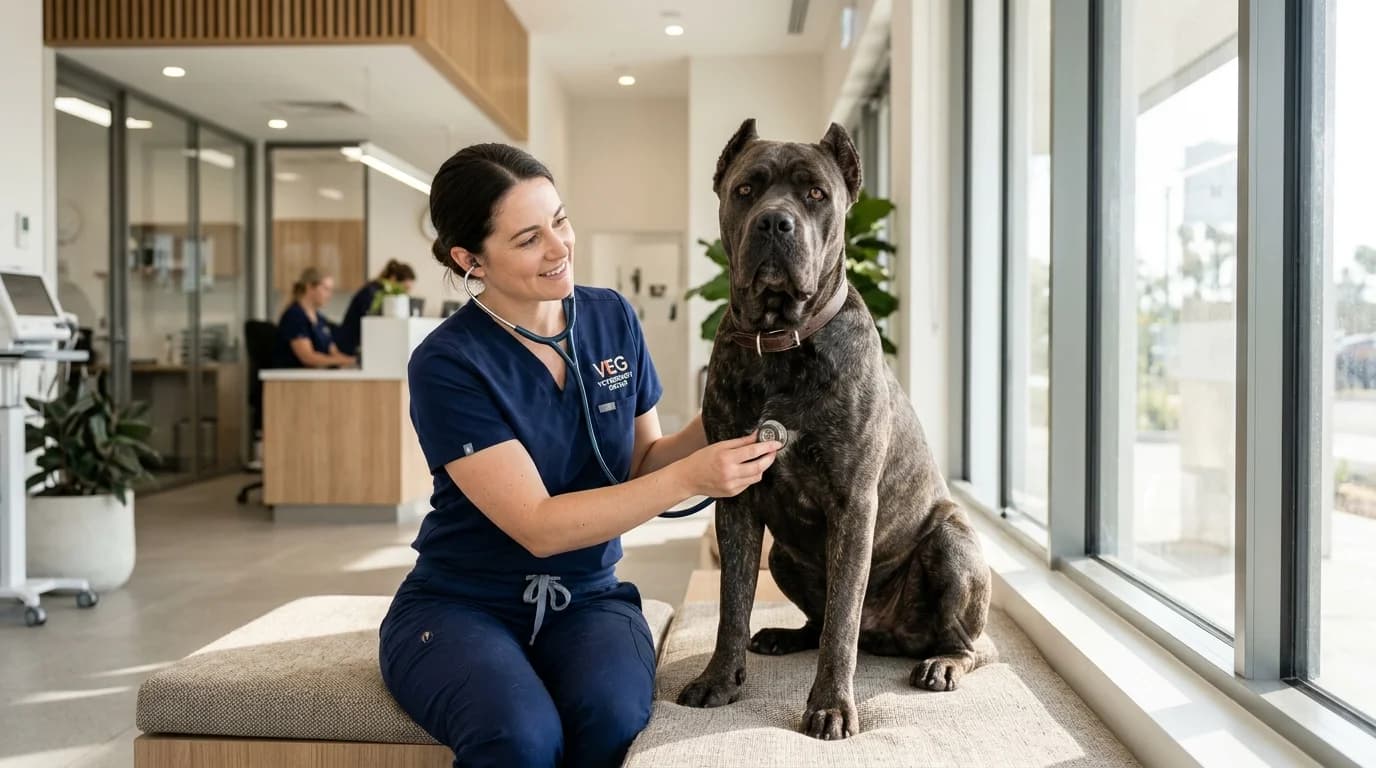
The Cane Corso (Canis lupus familiaris, American Kennel Club Working Group; Fédération Cynologique Internationale Group 2: Pinscher and Schnauzer - Molosser and Swiss Mountain and Cattle Dogs, Section 2.1: Molossian, mastiff type) represents an ancient lineage of guardian, catch, and estate-protection canines hailing from the Italian peninsula. Descended directly from the ancient Roman war dog (Canis pugnax), the breed survived for centuries throughout southern Italy—particularly within the agricultural regions of Puglia, Campania, and Molise—serving as a versatile farmhand (corso deriving etymologically from the Latin cohors, denoting "protector" or "guardian of the courtyard"). Following near-extinction in the mid-twentieth century amidst Italian socio-agrarian transformation, dedicated Italian cinologists spearheaded a systematic revival in the 1970s and 1980s, culminating in formal ENCI recognition in 1994, FCI classification in 1996, and AKC recognition in 2010.
Distinguished by an imposing, hypermetric Molosser phenotype, muscular athletic symmetry, and profound territorial fidelity, the Cane Corso presents unique anatomical, metabolic, and clinical biogerontology considerations:
- Mature Somatic Scale and Dimorphism: The Cane Corso exhibits marked sexual dimorphism in skeletal mass and muscular density:
- Males: Standing height at the withers ranges from 25 to 27.5 inches ($64\text{ to }70\text{ cm}$), with a mature somatic mass typically between 100 and 110+ pounds ($45\text{ to }50+\text{ kg}$).
- Females: Standing height at the withers ranges from 23.5 to 26 inches ($60\text{ to }66\text{ cm}$), with an adult somatic mass of 88 to 99 pounds ($40\text{ to }45\text{ kg}$). This massive structural footprint exerts sustained biomechanical torque on the appendicular skeleton and places substantial metabolic and hemodynamic demands on the cardiovascular myocardium.
- Craniofacial Architecture: The breed possesses a large, Molosser-type sub-brachycephalic skull with convergent cranial-facial axes. The craniofacial ratio (muzzle length relative to cranial length) is approximately 1:2 ($33\text{ to }36%$), featuring a well-defined frontal stop, prominent zygomatic arches, and moderately loose palpebral and labial tissue.
- Axial & Appendicular Skeleton: Built for explosive power rather than sustained coursing, the Cane Corso features heavy, dense cortical bone, deep thoracic depth extending to the elbow ($50%$ of standing height), a wide ribcage, and steep pelvic angles that concentrate load across the coxofemoral, stifle, and tarsal joints.
In large-scale international epidemiological surveys, the Cane Corso demonstrates a median lifespan of 9.0 to 12.0 years, with a global breed-wide average centering between 9.3 and 10.5 years. While this range conforms to typical giant-to-large Molosser demographics, proactively managed individuals adhering to strict cardiological surveillance, joint preservation, and lean body condition regularly survive to 12 to 14+ years.
Achieving this upper longevity potential requires early, evidence-based management of breed-defining critical morbidities: Dilated Cardiomyopathy (DCM), life-threatening Gastric Dilatation-Volvulus (GDV), severe Coxofemoral & Elbow Dysplasia, Cranial Cruciate Ligament Ruptures (CCLR), Idiopathic Epilepsy, Entropion/Ectropion, and appendicular Osteosarcoma.
To translate your Cane Corso's developmental milestones into human biological equivalents based on Molosser weight kinetics, explore our interactive Dog Age Calculator and review our size-calibrated Dog Age Chart.
Epidemiological Baseline: How Long Do Cane Corsos Live?
Longitudinal veterinary demographic databases, purebred registry health surveys, and dedicated peer-reviewed canine longevity investigations offer detailed actuarial metrics for Cane Corso survival trajectories.
                 CANE CORSO LIFESPAN BY COHORT & REGISTRY
+------------------------------------+------------------+-------------------+-----------------------------------------+
| Registry / Cohort Database         | Sample Size (n)  | Reported Median   | Epidemiological Context / Methodology   |
+------------------------------------+------------------+-------------------+-----------------------------------------+
| VetCompass UK (Royal Vet College)  | 1,210 dogs       | 8.90 – 10.20 Yrs  | Primary-care electronic health records  |
| Landmark Study (Korec et al. 2017) | 232 dogs (25 cnt)| 9.29 ± 0.13 Yrs   | International cohort across 25 nations  |
| - Black Brindle Phenotype Cohort   | 43 dogs          | 10.30 ± 0.35 Yrs  | Statistically significant survival adv. |
| - Brindle Phenotype Cohort         | 48 dogs          | 10.13 ± 0.33 Yrs  | Distinct pigment-associated longevity   |
| - Grey Brindle Phenotype Cohort    | 27 dogs          | 9.84 ± 0.41 Yrs   | Moderate survival advantage             |
| - Fawn / Fulvo Phenotype Cohort    | 46 dogs          | 8.90 ± 0.31 Yrs   | Intermediate survival profile           |
| - Solid Black Phenotype Cohort     | 39 dogs          | 8.70 ± 0.34 Yrs   | Standard solid melanistic cohort        |
| - Solid Grey / Blue Cohort         | 21 dogs          | 8.60 ± 0.42 Yrs   | Dilute coat locus cohort                |
| Swedish Agria Pet Insurance        | 2,400+ dog-yrs   | 9.10 – 10.50 Yrs  | Longitudinal claims & mortality logs    |
| North American VMDB (Univ Hosps)   | 1,850+ records   | 8.80 – 10.40 Yrs  | Tertiary veterinary referral hospitals  |
| Proactive Molosser Care Cohort     | Clinical Cohort  | 11.50 – 13.50+ Yrs| Gastropexy, Holter/Echo, lean BCS 4.5/9 |
+------------------------------------+------------------+-------------------+-----------------------------------------+
                  CANE CORSO SURVIVAL CURVE (KAPLAN-MEIER)
   Survival
   Probability (%)
     ▲
 100 │═════════════════════════════╗
  80 │                             ╚═════════════════╗
  60 │                                               ╚═════════════╗
  50 │- - - - - - - - - - - - - - - - - - - - - - - - - - - - - - -╚════ (Median: 9.3–10.5 yrs)
  40 │                                                             ╚═════════════╗
  20 │                                                                           ╚═════════════╗
   0 └───┴─────┴─────┴─────┴─────┴─────┴─────┴─────┴─────┴─────┴─────┴─────┴─────┴─────┴─────┴─────►
     0   1     2     3     4     5     6     7     8     9    10    11    12    13    14    15
                               Chronological Age (Years)
The Cane Corso Kaplan-Meier survival trajectory demonstrates three distinct biological and pathological phases:
- The Developmental & Orthopedic Vulnerability Phase (Ages 0 to 2): Mortality during early development ($<4%$) is primarily linked to severe congenital defects, unmanaged acute parvoviral enteritis in unvaccinated pups, fatal juvenile anesthesia complications during elective ear cropping or gonadectomy, and acute polytrauma. Concurrently, rapid skeletal growth ($180–240\text{ g/day}$) sets the structural baseline for lifelong coxofemoral and elbow dysplasia.
- The Adult Athletic & Acute Morbidity Plateau (Ages 3 to 7): Mortality remains comparatively stable but is punctuated by sudden, catastrophic medical emergencies: acute Gastric Dilatation-Volvulus (GDV), refractory status epilepticus from Idiopathic Epilepsy, acute Cranial Cruciate Ligament (CCLR) tears requiring invasive surgery, and preclinical occult myocardial degradation from Dilated Cardiomyopathy (DCM).
- The Geriatric Degenerative & Neoplastic Phase (Ages 8 to 14+):
Beginning at age 8, the survival curve declines sharply. The leading causes of mortality and humane euthanasia in senior Cane Corsos encompass:
- End-stage Congestive Heart Failure secondary to Dilated Cardiomyopathy or ventricular arrhythmias.
- Appendicular Osteosarcoma (proximal humerus, distal radius, distal femur, proximal tibia).
- Metastatic Hemangiosarcoma (splenic and right atrial myocardium).
- Severe, unmanageable Degenerative Joint Disease (End-Stage Osteoarthritis) resulting in intractable chronic pain and mobility loss.
- Acute unmanaged Gastric Dilatation-Volvulus.
The Landmark Korec Study: Coat Color Genetics & Longevity Disparities
In 2017, a seminal peer-reviewed investigation led by Dr. Evžen Korec and colleagues (Open Veterinary Journal, 7(2): 170-173) examined 232 deceased Cane Corso dogs across 25 countries to evaluate whether coat color phenotype correlated with biological life expectancy:
- Black Brindle (Tigrato Nero): Achieved the highest median survival at $10.30 \pm 0.35\text{ years}$.
- Brindle (Tigrato): Achieved an average lifespan of $10.13 \pm 0.33\text{ years}$.
- Grey Brindle (Grigio Tigrato): Averaged $9.84 \pm 0.41\text{ years}$.
- Fawn (Fulvo / Formentino): Averaged $8.90 \pm 0.31\text{ years}$.
- Solid Black (Nero): Averaged $8.70 \pm 0.34\text{ years}$.
- Solid Grey / Blue (Grigio): Averaged $8.60 \pm 0.42\text{ years}$.
Biochemically, coat color pigmentation in canines is controlled by epistatic interactions between the Agouti signaling protein (ASIP) locus, the Melanocortin 1 Receptor (MC1R / E locus), and the $\beta$-defensin 103 (CBD103 / K locus). Researchers hypothesize that the brindle phenotype ($K^b / k^{br}$) reflects pleiotropic genetic expression influencing cellular antioxidant enzymes, neuroendocrine stress responses, and cell-mediated immune surveillance, conferring enhanced biological resilience against early degenerative senescence.
Sex-Specific and Gonadal Longevity Dynamics
- Female Cane Corsos: Exhibit a survival advantage of 0.6 to 1.1 years over intact males, averaging 9.8 to 11.2 years. Intact bitches face elevated risks of life-threatening cystic endometrial hyperplasia-pyometra complex ($>20%$ incidence by age 8) and mammary adenocarcinoma.
- Male Cane Corsos: Exhibit an average lifespan of 8.8 to 10.1 years. Their heavier skeletal mass ($100–120\text{ lbs}$) exerts substantially higher compressive loading on weight-bearing joints, accelerating the onset of debilitating osteoarthritis. Intact males also suffer from benign prostatic hyperplasia (BPH) and testicular neoplasia.
- The Critical Timing of Gonadectomy: In giant and heavy Molosser breeds, pediatric neutering prior to growth plate (physis) closure must be strictly avoided. Sex steroids (testosterone and estradiol) are essential hormonal triggers for signaling the closure of the distal femoral and proximal tibial growth plates. Neutering before 14 to 18 months of age delays physeal closure, leading to disproportionate elongation of long bones, altered tibial plateau angles (TPA), an eightfold increase in Cranial Cruciate Ligament Ruptures (CCLR), and significantly elevated rates of Hip Dysplasia and Bone Sarcomas (Osteosarcoma).
To examine how body mass and hormonal timing influence longevity across distinct breeds, explore our companion analysis on Why Small Dogs Live Longer Than Large Dogs.
Biogerontology: Cellular Energetics, the IGF1 Axis & Giant-Breed Senescence
The relatively compressed lifespan of the Cane Corso relative to toy breeds stems from endocrine allometry, accelerated juvenile cellular replication, and mitochondrial bioenergetics:
                     SOMATIC & CELLULAR BIOMARKER COMPARISON
+-----------------------------+-------------------------------+-------------------------------+-------------------------------+
| Physiological Biomarker     | Cane Corso (Giant Molosser)   | Sporting Breed (Golden/Lab)   | Toy Breed (Chihuahua/Pomeran) |
+-----------------------------+-------------------------------+-------------------------------+-------------------------------+
| Adult Somatic Mass          | 40.0 – 55.0+ kg (88–120+ lbs) | 25.0 – 35.0 kg (55–77 lbs)    | 2.0 – 4.5 kg (4.4–10 lbs)     |
| Juvenile Growth Velocity    | Explosive (180–240 g/day)     | Rapid (90–130 g/day)          | Modest (15–30 g/day)          |
| Circulating Serum IGF-1     | Hyper-Elevated / High Peak    | Balanced / Moderate           | Downregulated / Suppressed    |
| Basal Intracellular mTORC1  | Hyperstimulated               | Regulated                     | Attenuated                    |
| Autophagic Flux & Mitophagy | Markedly Suppressed           | Moderate                      | Highly Active                 |
| Total Lifetime Heartbeats   | Rapid Depletion Per kg        | Moderate Depletion            | Conserved Reserve             |
| Joint Biomechanical Torque  | Extreme (Massive Axial Load)  | Substantial                   | Minimal                       |
+-----------------------------+-------------------------------+-------------------------------+-------------------------------+
             THE CANE CORSO BIOLOGICAL LONGEVITY ARCHITECTURE

         ANCESTRAL CHROMOSOME 15 IGF1 MAJOR ALLELE (MASSIVE SCALE)
         * High circulating levels of Insulin-like Growth Factor 1 (IGF-1)
         * Intense stimulation of growth hormone (GH) somatotropic axis
              │
              ▼
         HYPERACTIVATION OF INTRACELLULAR PI3K / Akt / mTORC1 AXIS
         * Rapid early cellular proliferation and accelerated somatic growth
         * Profound suppression of cellular macroautophagy and lysosomal mitophagy
         * Accelerated accumulation of senescent cells and DNA double-strand breaks
              │
              ▼
         HEMODYNAMIC & BIOMECHANICAL BOTTLENECK MORBIDITIES
         * High myocardial stroke volume & wall tension -> Dilated Cardiomyopathy (DCM)
         * Deep thoracic pendular anatomy -> High Gastric Dilatation-Volvulus (GDV) risk
         * Massive joint compressive loads -> Rapid cartilage wear & hip/elbow dysplasia
              │
              ▼
         MEDIAN SURVIVAL CEILING: 9 TO 11 YEARS (EXTENDABLE TO 13+ YRS)
         * Longevity maximized by lean body condition, DCM screening & gastropexy
1. The IGF1 Genomic Locus & Cellular Mitophagy Suppression
Canine evolutionary genomics (Sutter et al., Science 2007; Hoopes et al., 2012) identified that canine body mass variation is primarily governed by alleles at the Insulin-like Growth Factor 1 (IGF1) locus on canine chromosome 15.
The Cane Corso carries the ancestral giant-dog allele, driving sustained high serum concentrations of IGF-1:
- The mTORC1 Hyperactivation Cascade: IGF-1 binds to transmembrane IGF-1 receptors (IGF-1R), triggering intracellular phosphorylation of the PI3K/Akt/mTORC1 pathway. While this drives substantial skeletal muscle hypertrophy and dense bone mineral deposition during juvenile ontogeny, continuous post-maturation mTORC1 activation inhibits autophagy.
- Lipofuscin and Mitochondrial Decay: Because autophagic clearing of damaged cellular organelles is blunted, myocytes and hepatocytes accumulate oxidative debris, damaged mitochondria (mitophagy failure), and advanced glycation end-products. This accelerated cellular senescence hastens organ reserve depletion in middle age.
- Elevated Carcinogenic Propensity: Persistent IGF-1 signaling prevents apoptosis of genetically damaged cells, driving higher incidences of early malignant transformation—particularly Osteosarcoma and Histiocytic Sarcoma.
2. Allometric Scaling, Kleiber's Law & Hemodynamic Load
Canine basal metabolic rate (BMR) scales allometrically with body mass according to Kleiber's Law:
$$\text{BMR} = 70 \times (M_{\text{kg}})^{0.75}$$
For a 50 kg Cane Corso, basal metabolic demand equates to:
$$\text{BMR} = 70 \times (50)^{0.75} \approx 70 \times 18.80 \approx 1,316\text{ kcal/day}$$
While small dogs expend more calories per gram of tissue, a 50 kg dog requires immense absolute circulatory volume. The Cane Corso heart must generate massive stroke volume against systemic vascular resistance to perfuse over 100 pounds of dense musculature. This sustained ventricular wall tension ($T = \frac{P \times r}{2h}$, Laplace's Law) accelerates myocardial biomechanical fatigue, rendering the breed extraordinarily vulnerable to eccentric dilation and myocyte slippage when genetic cardiomyopathic mutations are present.
3. Epigenetic Methylation Remodeling in Giant Molossers
Canine methylome sequencing (Wang et al., Cell Systems 2020) established that biological age does not progress along a simplistic 1:7 linear multiplier, but follows a logarithmic epigenetic methylation curve:
$$\text{Human Equivalent Age} = 16 \times \ln(\text{Chronological Canine Age}) + 31$$
Due to their intense early somatotropic growth, giant Molossers experience accelerated epigenetic clock advancement during the first three years of life:
- At 1 chronological year, an adolescent Cane Corso represents the biological equivalent of a 20-year-old human.
- At 3 chronological years, the dog is fully skeletally set, corresponding to a 35-year-old human.
- At 6 chronological years, the Cane Corso enters the mature pre-senior phase, equivalent to a 53-year-old human.
- At 9.5 chronological years (median life expectancy), the dog represents a 67-year-old human.
- At 12 chronological years, an exceptional senior Cane Corso aligns with an 80-year-old human.
To explore the mathematical formulas governing canine epigenetic clocks, read our detailed analysis on the Scientific Epigenetic Dog Age Formula.
Cane Corso Human Age Equivalence Matrix
The veterinary matrix below correlates chronological years, life stage tiers, calibrated human biological age equivalents, and age-specific diagnostic surveillance protocols customized for the Cane Corso's Molosser physiology:
                    CANE CORSO HUMAN AGE EQUIVALENCE MATRIX
+-------------------+--------------------+--------------------+-----------------------------------------------------+
| Canine Chron. Age | Life Stage Tier    | Human Age Equiv.   | Key Physiological Milestones & Clinical Focus       |
+-------------------+--------------------+--------------------+-----------------------------------------------------+
| 3 Months (0.25 yr)| Early Pediatric    | 3 – 4 Years        | Core vaccinations; strictly monitor 1.2:1 Ca:P diet |
| 6 Months (0.5 yr) | Rapid Growth       | 9 – 10 Years       | PennHIP laxity screening; evaluate ectropion/eyes   |
| 1.0 Year          | Adolescent Junior  | 18 – 20 Years      | Growth plates open; avoid intense high-impact jumps |
| 1.5 Years (18 mo) | Young Adult        | 24 – 26 Years      | Distal growth plates close; ideal window gastropexy |
| 2.0 Years         | Young Adult Prime  | 28 – 30 Years      | OFA official hip/elbow certs; baseline Holter ECG   |
| 3.0 Years         | Full Somatic Peak  | 34 – 36 Years      | Max muscular mass; baseline echocardiogram + cTnI   |
| 4.0 Years         | Mature Adult       | 40 – 42 Years      | Bi-annual cardiac auscultation; strict BCS 4.5/9    |
| 5.0 Years         | Mature Adult       | 46 – 48 Years      | Full blood panel, SDMA, urinalysis; dental COHAT    |
| 6.0 Years         | Pre-Senior Gateway | 52 – 54 Years      | Repeat echocardiogram & 24h Holter; spinal x-rays   |
| 7.0 Years         | Established Senior | 57 – 59 Years      | Transition to senior exam (every 6 mo); NT-proBNP   |
| 8.0 Years         | Established Senior | 62 – 64 Years      | Abdominal ultrasound (spleen/liver); Librela for OA |
| 9.0 Years         | Senior Veteran     | 67 – 69 Years      | Screen cognitive dysfunction (DISHAA); renal check  |
| 10.0 Years        | Geriatric Gateway  | 72 – 74 Years      | Comprehensive geriatric pain mgmt; thoracic x-rays  |
| 11.0 Years        | Geriatric Veteran  | 76 – 78 Years      | High-density orthopedic bedding; micro-meals        |
| 12.0+ Years       | Super-Senior Cent. | 80 – 85+ Years     | Cherished palliative hospice care; quality of life  |
+-------------------+--------------------+--------------------+-----------------------------------------------------+
To pinpoint the exact biological threshold when heavy breeds cross into senescence, consult our clinical guide: When Does a Dog Become a Senior?.
Critical Breed-Specific Pathologies & Clinical Management
Maximizing survival and quality of life in the Cane Corso demands aggressive, proactive surveillance of several life-threatening and debilitating conditions:
               CANE CORSO PATHOLOGY MATRIX: CLINICAL PROFILE & SURVEILLANCE
+-----------------------------+-----------------+-------------------+-----------------------------------------------------+
| Pathology                   | Breed Frequency | Peak Age Window   | Gold-Standard Diagnostics & Clinical Management     |
+-----------------------------+-----------------+-------------------+-----------------------------------------------------+
| Dilated Cardiomyopathy(DCM) | 12% – 20%       | 4.0 – 9.0 Years   | Echo, 24h Holter, NT-proBNP; Pimobendan, ACE-I     |
| Gastric Dilatation-Volvulus | 15% – 25% (life)| 3.0 – 10.0 Years  | Abdominal rads; emergency decompress/gastropexy     |
| Hip & Elbow Dysplasia       | 35% – 50%       | 6 mos – adult     | PennHIP (DI), OFA; TPO, THR, multimodal OA therapy  |
| Cranial Cruciate Rupture    | 10% – 18%       | 2.0 – 7.0 Years   | Cranial drawer/thrust; TPLO stabilization surgery   |
| Idiopathic Epilepsy         | 4% – 8%         | 1.5 – 5.0 Years   | MRI/CSF (rule-out); Phenobarbital, Keppra, KBr     |
| Ophthalmic Entropion/Cherry | 15% – 25%       | 3 mos – 3.0 Years | Schirmer tear test, slit lamp; Hotz-Celsus/Morgan   |
| Appendicular Osteosarcoma   | 3% – 6%         | 7.0 – 11.0 Years  | Radiography, bone biopsy, chest CT; amputation+carb |
| Histiocytic / Hemangiosarc. | 2% – 5%         | 6.0 – 10.0 Years  | Splenic/cardiac ultrasound; splenectomy, dox/chemo  |
+-----------------------------+-----------------+-------------------+-----------------------------------------------------+
1. Dilated Cardiomyopathy (DCM) & Arrhythmias
Dilated Cardiomyopathy constitutes the most serious inherited cardiovascular threat to Cane Corso longevity:
                  PATHOPHYSIOLOGY OF MOLOSSER DILATED CARDIOMYOPATHY

         NORMAL MYOCARDIUM                        DILATED CARDIOMYOPATHIC VENTRICLE
         ─────────────────                        ─────────────────────────────────
         [ Thick, Muscular Left Ventricular Wall] [ Attenuated, Severely Thinned Myocardium ]
                  │                                               │
                  ▼                                               ▼
         [ Vigorous Inotropic Contraction ]       [ Impaired Systolic Pumping (FS < 20%) ]
                  │                                               │
                  ▼                                               ▼
         [ Normal End-Systolic Volume ]           [ Progressive Chamber Dilation (LVIDs/d) ]
                  │                                               │
                  ▼                                               ▼
         [ Stable R-R Rhythm / Sinus ]            [ Ventricular Tachycardia & Fatal Syncope ]
         * Robust tissue perfusion                * Backward congestive failure (Pulmonary Edema)
         * Preserved cardiac reserve              * Elevated Serum NT-proBNP & Cardiac Troponin I
- Pathophysiological Mechanisms: Inherited DCM in Molossers involves genetic cytoskeletal protein defects that compromise sarcomeric contraction. Over time, myocytes stretch and slip, resulting in progressive eccentric hypertrophy—the left ventricular lumen dilates dramatically while myocardial wall thickness decreases. The heart becomes a rounded, poorly contracting chamber, reducing Fractional Shortening (FS) from a healthy $30–45%$ down to $<18%$.
- Occult Phase & Sudden Death: DCM possesses an extended subclinical ("occult") phase lasting 2 to 4 years during which the dog appears athletic and asymptomatic despite advancing ventricular enlargement and malignant Ventricular Premature Complexes (VPCs). Without screening, the first clinical sign in up to $30%$ of affected dogs is sudden fatal collapse.
- Biomarkers & Diagnostic Surveillance:
- Transthoracic Echocardiography: Mandatory screening begins at age 3 and is repeated every 12 to 24 months. Left ventricular internal diameter in diastole (LVIDd) and systole (LVIDs) are indexed to body surface area.
- 24-Hour Ambulatory Holter Monitoring: Essential to detect episodic ventricular tachycardia, runs of couplets/triplets, or high VPC counts ($>100\text{ VPCs/24 hours}$ indicates arrhythmogenic cardiomyopathy).
- Serum Cardiac Biomarkers: Elevated N-Terminal pro-B-type Natriuretic Peptide (NT-proBNP) reflects myocardial stretch, while Cardiac Troponin I (cTnI) signals active myocyte necrosis.
- Pharmacotherapy (The PROTECT Protocol):
- Pimobendan (Inodilator): Initiated during preclinical Stage B2 (cardiomegaly without clinical signs) at $0.25–0.3\text{ mg/kg}$ PO BID. As proven in the landmark PROTECT study, early Pimobendan prolongs the asymptomatic period by an average of 15 months (over 400 days).
- ACE Inhibitors (Enalapril / Benazepril): Blunt the maladaptive renin-angiotensin-aldosterone system (RAAS) to lower systemic vascular afterload.
- Spironolactone: Mineralocorticoid receptor blocker to attenuate myocardial interstitial fibrosis.
- Anti-Arrhythmics: Sotalol ($1.5–2.5\text{ mg/kg}$ PO BID) or Mexiletine for dogs exhibiting ventricular ectopic arrhythmias.
- Taurine & L-Carnitine Supplementation: Although Cane Corso DCM is predominantly genetic, secondary metabolic deficiencies can compound myocardial dysfunction. Oral Taurine ($500–1000\text{ mg}$ BID) and L-Carnitine ($50\text{ mg/kg}$ BID) are safe and cardioprotective.
2. Gastric Dilatation-Volvulus (GDV / Bloat)
The Cane Corso's deep, narrow thoracic conformation creates extreme biomechanical predisposition to acute Gastric Dilatation-Volvulus:
                  GASTRIC DILATATION-VOLVULUS (GDV) ANATOMICAL ROTATION

         NORMAL GASTRIC POSITION                  CLOCKWISE GASTRIC VOLVULUS (180°-360°)
         ───────────────────────                  ──────────────────────────────────────
         [ Esophagus -> Cardia ]                  [ Stomach twists clockwise on mesenteric axis]
                    │                                               │
                    ▼                                               ▼
         [ Stomach in Left Cranioventral Abdomen] [ Pylorus twists dorsally, crossing midline ]
                    │                                               │
                    ▼                                               ▼
         [ Pylorus -> Duodenum on Right ]         [ Massive Gastric Distension & Entrapment ]
         * Free gas venting (eructation)          * Venous compression: Caudal Vena Cava / Portal
         * Unobstructed gastric emptying          * Acute obstructive shock & systemic acidosis
         * Normal splenic perfusion               * Splenic torsion, infarction & arrhythmias
- Pathophysiological Cascade: The stomach rapidly fills with gas and fermented ingesta. Increased gastric volume compromises normal eructation and pyloric emptying. As the stomach distends, it rotates $180^\circ\text{ to }360^\circ$ clockwise along its longitudinal axis.
- Systemic Shock & Myocardial Ischemia: The twisted, distended stomach exerts massive pressure on the caudal vena cava and hepatic portal vein, reducing venous return to the heart by up to $70%$. Cardiac output plummets, causing profound obstructive hypovolemic shock, metabolic acidosis, splenic vein thrombosis, and myocardial ischemia triggering life-threatening ventricular arrhythmias.
- The Prophylactic Incisional Gastropexy Standard:
- Prophylactic gastropexy is the single most effective surgical intervention to safeguard Cane Corso longevity. The seromuscular layer of the gastric antrum is permanently pexied to the right transversus abdominis muscle, creating a permanent fibrous adhesion that prevents gastric rotation even if gas distension occurs.
- Optimal Timing: Performed laparoscopically or open-assisted at 14 to 18 months of age, ideally concurrently with elective gonadectomy after growth plate closure. Prophylactic gastropexy reduces the lifetime risk of fatal GDV from over $15%$ down to less than $0.2%$.
- Dietary Risk Mitigation:
- Divide daily caloric rations into 2 to 3 smaller meals rather than a single large bolus.
- Eliminate Elevated Feeding Bowls: Contrary to obsolete dogma, controlled veterinary epidemiological studies demonstrate that elevated feeders increase aerophagia and correlate with a 110% increased risk of GDV in deep-chested giant breeds. Feed at floor level using puzzle or slow-feeder bowls.
- Restrict vigorous exercise, running, and heavy water gorging for 90 minutes before and after meals.
3. Severe Orthopedic Pathologies: Dysplasia & CCLR
The immense somatic mass of the Cane Corso subjects the joints to continuous high-load mechanical shear:
                  DEGENERATIVE JOINT CASCADE IN LARGE MOLOSSERS

         JOINT LAXITY / POOR ACETABULAR COVERAGE (PennHIP DI > 0.40)
         * Incomplete coverage of femoral head by the dorsal acetabular rim
         * Excessive joint laxity leading to micro-subluxation during weight-bearing
              │
              ▼
         SYNOVIAL INFLAMMATION & CARTILAGE DEGRADATION
         * Chondrocyte apoptosis and release of pro-inflammatory cytokines (IL-1β, TNF-α)
         * Mechanical shear strips articular cartilage, exposing subchondral bone
              │
              ▼
         SECONDARY OSTEOARTHRITIS & OSTEOPHYTOSIS
         * Periarticular osteophyte formation, subchondral sclerosis & joint capsule fibrosis
         * Compensatory weight-shifting onto forelimbs -> secondary elbow degeneration
              │
              ▼
         CHRONIC DEBILITATING MOBILITY LOSS & SARCOPENIA
         * Loss of hindlimb muscle mass, reluctance to rise, severe neuropathic pain
- Coxofemoral & Elbow Dysplasia: Polygenic inheritance combined with rapid juvenile weight velocity creates joint incongruity:
- PennHIP Radiography: Distraction Index (DI) measured as early as 16 weeks objectively quantifies hip joint laxity. A DI $>0.30$ indicates increased risk for osteoarthritis; Cane Corsos frequently exceed $0.45$.
- OFA Radiographic Grading: Standard ventrodorsal pelvis radiographs taken at 24 months grade joint conformity (Excellent, Good, Fair, Mild, Moderate, Severe).
- Cranial Cruciate Ligament Rupture (CCLR): Cane Corsos possess steep tibial plateau angles and heavy muscular mass. Chronic stifle synovitis and repetitive biomechanical shear wear down the cranial cruciate ligament, leading to partial or complete rupture.
- Surgical Gold Standard: Tibial Plateau Leveling Osteotomy (TPLO). By radial osteotomy and rotation of the proximal tibial plateau to an angle of $5^\circ\text{ to }6.5^\circ$, the biomechanical cranial tibial thrust during weight-bearing is eliminated, stabilizing the joint without relying on a repaired ligament.
- Multimodal Osteoarthritis Protocol:
- Bedinvetmab (Librela): Anti-Nerve Growth Factor (NGF) canine monoclonal antibody administered monthly via subcutaneous injection ($0.5–1.0\text{ mg/kg}$). Librela halts the nociceptive signaling cascade without hepatic or renal toxicity.
- COX-2 Specific NSAIDs / EP4 Antagonists: Grapiprant (Galliprant) or Carprofen/Meloxicam with concurrent gastroprotective monitoring.
- Targeted Nutraceuticals: Undenatured Type II Collagen (UC-II) at $40\text{ mg/day}$ to induce oral tolerance and suppress immune-mediated articular destruction; high-potency Omega-3 fatty acids (EPA + DHA titrated to $100–125\text{ mg/kg/day}$); and Polysulfated Glycosaminoglycans (Adequan IM).
For detailed evidence-based rehabilitation protocols, explore our dedicated resource on Large Breed Osteoarthritis Prevention: Biomarkers & Ergonomic Care.
4. Idiopathic Epilepsy
The Cane Corso exhibits a hereditary predisposition to primary idiopathic epilepsy:
- Onset & Clinical Presentation: Seizures characteristically emerge between 1.5 and 5 years of age. Episodes typically present as generalized tonic-clonic ("grand mal") convulsions characterized by loss of consciousness, opisthotonus, autonomic urination/defecation, salivation, and limb paddling lasting 60 to 180 seconds, followed by an extended post-ictal disoriented phase.
- Diagnostic Protocol: Idiopathic epilepsy is a diagnosis of exclusion. Tier II diagnostic verification requires normal complete blood chemistry, bile acids/ammonia (ruling out portosystemic shunts), brain MRI (ruling out structural neoplasia or hydrocephalus), and CSF tap (ruling out meningoencephalitis).
- Anticonvulsant Therapy:
- Phenobarbital: First-line therapy ($2.5–3.0\text{ mg/kg}$ PO BID). Requires therapeutic drug monitoring (trough serum levels maintained at $15–30\text{ }\mu\text{g/mL}$) with serial hepatic panel and bile acid testing.
- Levetiracetam (Keppra): Excellent add-on or primary agent ($20–30\text{ mg/kg}$ PO TID or Extended-Release BID) devoid of hepatotoxicity.
- Potassium Bromide (KBr) or Zonisamide: Secondary adjunctive therapies for refractory cluster seizures.
5. Ophthalmic Vulnerabilities: Entropion, Ectropion & Cherry Eye
- Palpebral Malformations: The heavy facial skin and relaxed palpebral fissures of the Cane Corso predispose to:
- Entropion: Inward inversion of the upper or lower eyelid margin, causing hair and cilia to rub against the corneal epithelium. Chronic mechanical friction induces corneal ulcers, pigmentation, and blindness. Corrected surgically via the Hotz-Celsus procedure.
- Ectropion: Outward eversion of the lower eyelid margin ("diamond eye"), exposing the delicate palpebral conjunctiva to environmental contaminants and chronic keratitis.
- Prolapse of the Gland of the Nictitans (Cherry Eye):
- The third eyelid gland prolapses dorsally over the margin of the nictitating membrane as an erythematous mass.
- Strict Surgical Rule: Never excise the prolapsed gland. This gland produces $35–45%$ of the pre-corneal tear film. Surgical excision inevitably triggers severe lifetime Keratoconjunctivitis Sicca (KCS / dry eye). The gland must be surgically repositioned and anchored using the Morgan Pocket Technique or orbital rim anchoring.
Nutritional Architecture & Caloric Titration for Molosser Longevity
Managing caloric intake and skeletal growth kinetics is the single most influential environmental factor under caregiver control to extend Cane Corso lifespan.
            CANE CORSO LIFETIME CALORIC INTAKE & MACRONUTRIENT ARCHITECTURE
+--------------------+--------------------+--------------------+-----------------------------------------------------+
| Life Stage Tier    | Daily Caloric Goal | Protein / Fat (%DM)| Key Clinical & Nutritional Focus                    |
+--------------------+--------------------+--------------------+-----------------------------------------------------+
| Puppy (2–6 mos)    | 3.0 × RER          | 26–28% / 12–15%    | Controlled Ca (0.8–1.2%), P (0.6–1.0%); slow growth |
| Puppy (7–14 mos)   | 2.0 × RER          | 24–26% / 12–14%    | Prevent rapid weight gain; maintain lean BCS 4/9    |
| Young Adult (1–3y) | 1.6–1.8 × RER      | 24–28% / 14–16%    | High athletic demands; joint chondroprotectants     |
| Mature Adult (4–7y)| 1.4–1.6 × RER      | 24–26% / 12–15%    | Strictly prevent obesity; floor-level slow feeding  |
| Senior (8–10y)     | 1.2–1.4 × RER      | 26–30% / 10–13%    | Higher protein DM to combat sarcopenia; add EPA/DHA |
| Geriatric (11y+)   | Titrated to BCS    | 28–32% / 12–16%    | Highly digestible animal protein; warm micro-meals  |
+--------------------+--------------------+--------------------+-----------------------------------------------------+
$$\text{Resting Energy Requirement (RER)} = 70 \times (M_{\text{kg}})^{0.75}$$
For a mature 48 kg Cane Corso:
$$\text{RER} = 70 \times (48)^{0.75} \approx 70 \times 18.24 \approx 1,277\text{ kcal/day}$$
$$\text{Maintenance Energy (MER for Neuter Adult)} = 1.4 \times 1,277 \approx 1,788\text{ kcal/day}$$
The Critical Calcium-to-Phosphorus Ratio in Juvenile Molossers
Canine puppies cannot regulate intestinal calcium absorption until approximately 6 months of age, passively absorbing nearly $80%$ of dietary calcium across the intestinal brush border.
- The Pathogenesis of Osteochondrosis (OCD): Feeding excessive calcium ($>1.5%\text{ dry matter}$) and caloric density drives rapid skeletal lengthening. The articular cartilage thickens faster than subchondral capillary beds can perfuse it, causing localized cartilage ischemia and necrosis (Osteochondritis Dissecans / OCD of the shoulder, elbow, and hock).
- The Dietary Requirement: Large and giant breed puppy formulations must maintain a strict Calcium-to-Phosphorus ratio between 1.1:1 and 1.3:1, with calcium content capped between $0.8%\text{ and }1.2%\text{ DM}$. Free-choice feeding must be strictly prohibited; feed calibrated, weight-measured meals to keep the pup at a Body Condition Score of 4/9 (ribs easily palpable under a slight fat cover).
Preventing Sarcopenia in Senior Cane Corsos
A tragic misconception among caregivers is restricting dietary protein in senior dogs under the obsolete assumption that protein stresses renal parenchyma. In dogs with normal renal function (SDMA $<14\text{ }\mu\text{g/dL}$, normal creatinine, no proteinuria):
- Senior Cane Corsos experience severe sarcopenia—the age-related atrophy of skeletal muscle mass—which destabilizes dysplastic joints and precipitates terminal recumbency.
- Geriatric Molossers actually require higher dietary protein ($28–32%\text{ dry matter}$) from highly bioavailable animal sources (such as deboned poultry, whole eggs, and wild fish) to maintain nitrogen balance and preserve ambulatory muscle mass.
To review dietary strategies and physical therapies for geriatric dogs, explore our guide on Diet and Exercise for Older Dogs: Evidence-Based Care.
Exercise Physiology, Physical Conditioning & Ergonomic Care
The Cane Corso possesses a heavy muscular frame built for short bursts of intense power, not prolonged aerobic coursing:
                   CANE CORSO LIFELONG EXERCISE PROTOCOL
+-------------------+--------------------+--------------------+-----------------------------------------------------+
| Age Tier          | Daily Exercise Cap | Preferred Activity | Forbidden / High-Risk Strains                       |
+-------------------+--------------------+--------------------+-----------------------------------------------------+
| Growth (0–14 mos) | 5 min per month age| Gentle grass walks | High-impact agility, Frisbee jumping, hard pavement |
| Adult (1.5–6 yrs) | 60 – 75 minutes    | Structured hiking  | Unconditioned road-running; exercise in >75°F heat  |
| Senior (7–10 yrs) | 30 – 45 minutes    | Low-impact walking | Repetitive ball chasing; jumping into vehicles/beds |
| Geriatric (11y+)  | 15 – 25 minutes    | Sniff walks, turf  | Slippery floors, cold concrete, stair climbing      |
+-------------------+--------------------+--------------------+-----------------------------------------------------+
- Thermal Intolerance in Brachycephalic Molossers: Although the Cane Corso has a longer muzzle than the English Bulldog, its shortened craniofacial index and heavy muscular mass create severe heat vulnerability. In temperatures exceeding $75^\circ\text{F}$ ($24^\circ\text{C}$) with elevated humidity, evaporative panting becomes insufficient to dissipate metabolic heat. Exercise must be restricted to cool early morning hours.
- Ergonomic Environmental Adaptations:
- Medical-Grade Orthopedic Foam Bedding: A 100+ lb Cane Corso resting on hard floors develops chronic pressure hygromas over the olecranon process (elbows) and decubital ulcers over the greater trochanters. Provide minimum 6-inch ($15\text{ cm}$) high-density orthopedic memory foam beds.
- Non-Slip High-Traction Flooring: Hardwood and polished tile flooring create shear forces that cause micro-slips, exacerbating hip laxity and precipitating cruciate ligament tears. Lay non-slip rubber runners throughout primary transit hallways.
- Car Ramps and Furniture Steps: Train your dog to utilize gentle-incline ramps to enter vehicles or ascend furniture from puppyhood to eliminate high-impact concussive landing shocks on forelimb joints.
For additional proactive strategies to extend your senior dog's vitality, read our guide on How to Help Your Senior Dog Live Longer: Veterinary Guide.
Veterinary Diagnostic Testing Timeline
To detect insidious Molosser diseases before irreversible structural failure occurs, adhere to this clinical surveillance schedule:
                  CANE CORSO PREVENTIVE HEALTHCARE TIMELINE
+-----------------------+-----------------------------+-------------------------------------------------------------+
| Stage / Frequency     | Specific Diagnostic Test    | Clinical Target & Rationale                                 |
+-----------------------+-----------------------------+-------------------------------------------------------------+
| 16 Weeks (4 months)   | PennHIP Distraction Radiog. | Quantify hip laxity; early intervention for dysplasia       |
| 6 – 12 Months         | Ophthalmic Slit Lamp / Exam | Screen for entropion, ectropion, cherry eye                 |
| 14 – 18 Months        | Prophylactic Gastropexy     | Eliminate lifetime fatal GDV risk; concurrent with neuter   |
| 24 Months (2 years)   | OFA Hip, Elbow, Cardiac     | Baseline structural clearance; register with CHIC database  |
| Age 3 – 5 (Annual)    | Echocardiogram + 24h Holter | Detect subclinical Dilated Cardiomyopathy (DCM) occult phase|
| Age 5+ (Annual)       | Complete Blood Panel & SDMA | Baseline renal filtration, hepatic markers, electrolytes    |
| Age 6+ (Annual)       | Thoracic & Abdominal Radiog.| Screen for occult splenic hemangiosarcoma and heart size    |
| Age 7+ (Bi-annual)    | Comprehensive Senior Exam   | Auscultate heart murmurs; blood pressure check; pain score  |
| Age 8+ (Bi-annual)    | DISHAA Cognitive Evaluation | Early detection of Canine Cognitive Dysfunction (CCD)       |
+-----------------------+-----------------------------+-------------------------------------------------------------+
Frequently Asked Questions
What is the average lifespan of a Cane Corso?
The global average lifespan of a Cane Corso is 9.0 to 12.0 years, with a breed median centering around 9.3 to 10.5 years. However, with lean weight management (BCS 4.5/9), prophylactic gastropexy surgery, and routine echocardiographic cardiac screening, proactive caregivers frequently help their Cane Corsos reach 12 to 14+ years.
Do Cane Corso coat colors affect how long they live?
Yes. A landmark 2017 international study by Dr. Evžen Korec published in the Open Veterinary Journal evaluated 232 Cane Corsos across 25 countries and found statistically significant longevity differences based on coat color. Black brindle dogs lived the longest (median 10.30 years), followed by brindle (10.13 years) and grey brindle (9.84 years). In contrast, fawn dogs averaged 8.90 years, solid black dogs averaged 8.70 years, and solid grey/blue dogs averaged 8.60 years.
What is the leading cause of death in Cane Corsos?
The three leading causes of death in Cane Corsos are Dilated Cardiomyopathy (DCM), acute Gastric Dilatation-Volvulus (GDV / Bloat), and Oncological Malignancies (principally Osteosarcoma and Hemangiosarcoma). Severe end-stage osteoarthritis leading to mobility loss and humane euthanasia is also a major contributor to mortality in dogs aged 8 and older.
At what age should I neuter or spay my Cane Corso?
Veterinary orthopedic consensus recommends waiting until growth plate closure between 14 and 18 months of age before neutering or spaying a Cane Corso. Pediatric gonadectomy prior to physeal maturation disrupts sex-steroid-mediated bone growth, dramatically increasing the risk of Cranial Cruciate Ligament Ruptures (CCLR), hip dysplasia, and osteosarcoma.
How can I prevent bloat (GDV) in my Cane Corso?
The most reliable prevention is a prophylactic incisional gastropexy, an elective surgical procedure that anchors the stomach to the abdominal wall to prevent twisting. Additionally, feed 2 to 3 smaller meals per day, feed at floor level using slow-feeder bowls (avoid elevated stands), and strictly enforce 90 minutes of rest before and after eating.
When does a Cane Corso become a senior dog?
Because of their rapid juvenile growth velocity and heavy Molosser somatic mass, Cane Corsos cross into the biological senior life stage at 6.0 to 7.0 years of age. At this point, veterinary wellness visits should increase to every six months, incorporating screening blood chemistry, SDMA renal monitoring, blood pressure checks, and cardiac auscultation.