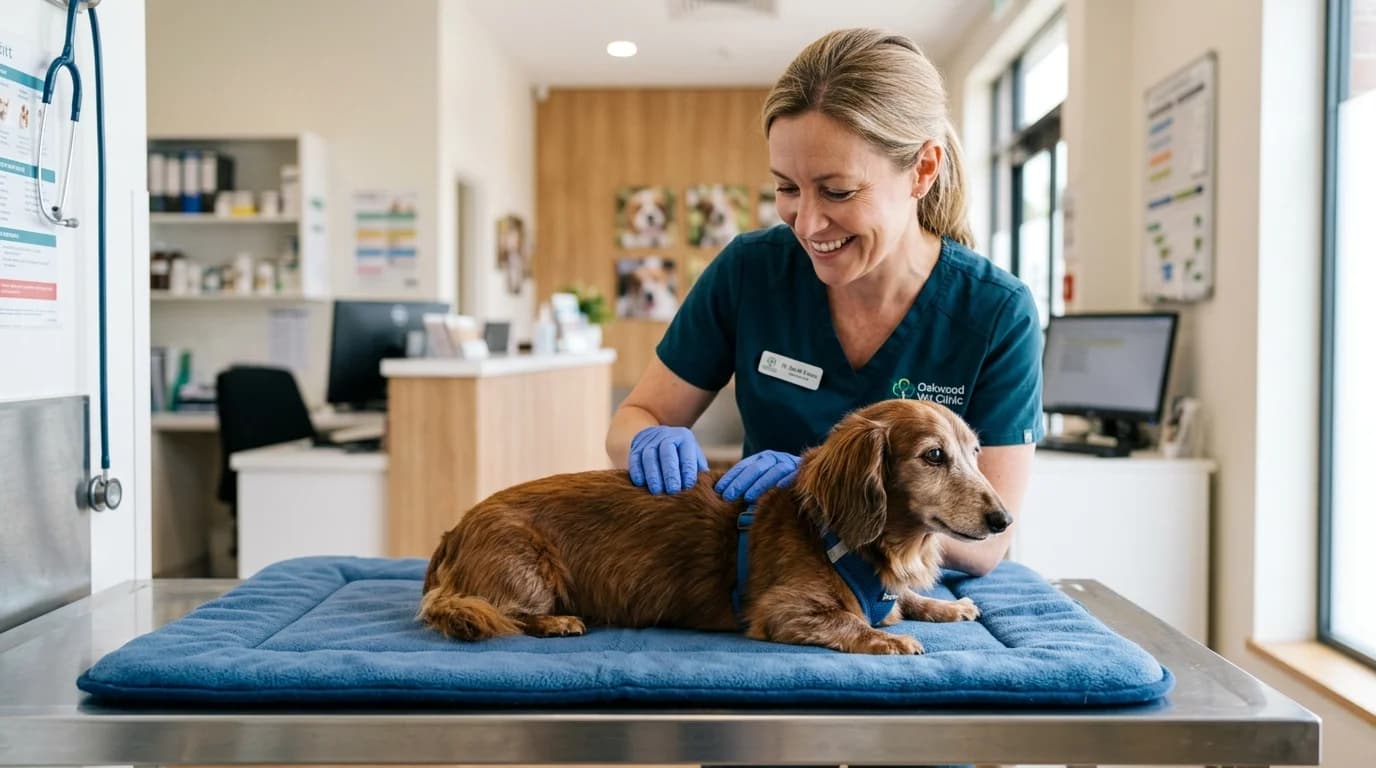
The Dachshund (Canis lupus familiaris) occupies a celebrated and unique chapter in veterinary biogerontology and canine functional morphology. Bred extensively across 17th-century Germany as subterranean badger hunters (Dachs = badger, Hund = hound), these dogs were deliberately selected for an extreme anatomical profile: an elongated axial skeleton, an exaggerated keel-like sternum, and severely shortened, muscular thoracic and pelvic limbs designed to excavate and navigate tight underground burrows.
Today, whether appearing as the Standard variety, the popular Miniature, or the European Kaninchen ("rabbit" size), and across Smooth, Longhaired, or Wirehaired coats, the Dachshund is cherished worldwide as a loyal, spirited, and comical companion.
Yet veterinary clinicians and companion animal geneticists view the Dachshund through a fascinating dual lens: they are among the longest-lived breeds in the entire canine species, routinely achieving 14 to 16+ years of age, yet they carry an extreme anatomical and genetic vulnerability that threatens their mobility and survival throughout adulthood.
That vulnerability is Intervertebral Disc Disease (IVDD)—a degenerative spinal disorder affecting approximately one in every four Dachshunds (20% to 25%).
Pet parents and veterinary practitioners facing the aging journey of a Dachshund inevitably confront fundamental clinical questions: How long do Dachshunds live on average? Why do Miniature Dachshunds outlive Standards? What molecular genetic mutation triggers premature spinal degeneration? How can clinicians and owners grade and manage IVDD? And what evidence-based nutritional, ergonomic, and geriatric protocols can extend a Dachshund's lifespan safely into 17 to 20 years of vibrant, pain-free life?
Epidemiological cohorts from the Royal Veterinary College's VetCompass programme, international kennel clubs, and academic veterinary teaching hospitals indicate that the median life expectancy of the Dachshund spans 12.5 to 15.7 years. Miniature Dachshunds frequently surpass this benchmark, registering median lifespans of 14.0 to 16.5 years, with verified centenarian outliers—such as Chanel the Dachshund—reaching 21 years of age.
This comprehensive clinical guide evaluates the latest epidemiological survival data, decodes the breakthrough molecular genetics of the FGF4 retrogene, deconstructs the staging and management of Hansen Type I disc herniation, and establishes a definitive veterinary roadmap to optimize your Dachshund's physical healthspan and longevity.
To determine your dog's physiological life stage and age conversion, consult our interactive Dog Age Calculator or examine size-stratified developmental milestones using our universal Dog Age Chart.
Epidemiological Baseline: How Long Do Dachshunds Live?
Longitudinal survival studies across international veterinary databases demonstrate that the Dachshund consistently charts within the upper quartile of domestic canine life expectancy.
                    DACHSHUND LIFESPAN BY COHORT & REGISTRY
+------------------------------------+------------------+-------------------+-----------------------------------------+
+ Registry / Cohort Database         | Sample Size (n)  | Reported Lifespan | Epidemiological Context / Methodology   |
+------------------------------------+------------------+-------------------+-----------------------------------------+
| VetCompass UK (Royal Vet College)  | 2,400+ dogs      | 12.7 – 13.5 Years | Primary care unselected pet population  |
| Kennel Club (UK) Health Survey     | Purebred cohort  | 12.8 Years (Median| Owner-reported pedigree longevity survey|
| Swedish Agria Pet Insurance Cohort | 12,000+ dog-years| 13.8 – 14.2 Years | Insured cohort; high access to surgery  |
| Finnish Kennel Club Registry       | 3,800+ records   | 13.5 – 14.8 Years | Scandinavian pedigree mortality registry|
| North American VMDB (Univ. Georgia)| 9,500+ records   | 13.2 – 14.5 Years | Tertiary academic referral hospitals    |
| Japanese Veterinary Hospital Study | 1,850+ dogs      | 14.2 – 15.5 Years | Urban companion cohort (high Miniature %)|
| Verified Centenarian Outliers      | Documented cases | 19.0 – 21.3+ Years| Documented super-seniors (e.g., Chanel) |
+------------------------------------+------------------+-------------------+-----------------------------------------+
1. Miniature vs. Standard Dachshund Lifespan Discrepancy
A pronounced divergence in median survival emerges when examining the physical subcategories of the breed:
- Miniature Dachshund (Mature Weight < 11 lbs / 5.0 kg): Median life expectancy is 14.0 to 16.0 years, with an interquartile range of 12.5 to 17.5 years. Their smaller somatic mass confers a lower cellular metabolic rate and less mechanical wear on baseline organ systems.
- Standard Dachshund (Mature Weight 16 to 32 lbs / 7.3 to 14.5 kg): Median life expectancy is 12.0 to 14.0 years, with an interquartile range of 11.0 to 15.0 years. While still long-lived compared to similarly sized working dogs, their larger physical volume subjects their intervertebral discs to substantially greater mechanical axial load.
- Kaninchen (Rabbit) Dachshund (FCI Standard, Weight < 7.7 lbs / 3.5 kg): Popular across Europe and Asia, these toy-sized hounds demonstrate longevity similar to the Miniature, averaging 14.5 to 16.5 years.
                DACHSHUND SIZE VARIETY VS. MEDIAN LIFESPAN
   Lifespan
   (Years)
     ▲
  16 │           [Kaninchen] (6–7.5 lbs)    [Miniature] (8–11 lbs)
  15 │                 ●──────────────────────────●
  14 │                                             \
  13 │                                              \    [Standard] (16–32 lbs)
  12 │                                               \──────────●
  11 │
     └────────────────────────────────────────────────────────────►
     0            5             10            15            25     35
                               Body Weight (lbs)
2. The Coat Variety Longevity Question
The Dachshund exists in three coat varieties: Smooth (Shorthaired), Longhaired, and Wirehaired.
While all three varieties share the identical fundamental genetic blueprint and chondrodystrophic conformation, historical crossbreeding introduces subtle variation:
- Wirehaired Dachshunds were historically outcrossed with wirehaired pinschers, Dandie Dinmont Terriers, and Schnauzers to produce their harsh, weather-resistant double coat and prominent beard. Some epidemiological studies in Germany and Scandinavia suggest a marginally lower incidence of cardiac murmurs in Wirehairs, but no statistically significant overall survival divergence exists when compared against Smooths.
- Longhaired Dachshunds were developed through historic crosses with German Stöberhunds and small spaniels, giving them a softer temperament and silky coat. Longhaired Dachshunds show comparable median survival (13.5–15.0 years), though they require rigorous grooming to avoid matted coats that conceal early muscle wasting or spinal tenderness.
To understand why miniature and small dogs universally outlive giant dogs in mammalian biology, explore our clinical analysis on Why Small Dogs Live Longer Than Large Dogs.
Biogerontology: Why Dachshunds Have Extended Somatic Lifespans
The longevity of the Dachshund presents a classic evolutionary biological dynamic: how does a dog with extreme skeletal dwarfism and high risk of spinal trauma achieve a lifespan that exceeds most medium and large canines by four to six years?
                   MORTALITY HAZARD BY AGE IN DACHSHUNDS
   Relative
   Mortality
     Risk
      ▲
      │                              [Peak 2: Geriatric Comorbidities]
      │                               (MMVD, Renal, Neoplasia, CCD)
      │                                             ▲
      │                                           *****
      │       [Peak 1: Acute IVDD Extrusion]     *******
      │                 ▲                       *********
      │               *****                    ***********
      │              *******                  *************
      │             *********                ***************
      └────────────*─────────*──────────────*───────────────────────►
      0    2       4    6    8       10     12     14     16    18
                                Age in Years
Dachshunds maintain exceptional cellular longevity through three core physiological pillars:
1. Attenuated Growth Velocity and Lower IGF-1 Signaling
Like other small canines, Dachshunds carry mutations in the Insulin-Like Growth Factor 1 (IGF1) gene signaling pathway that restrict overall stature.
- Unlike large breeds (such as German Shepherds or Great Danes) that experience explosive juvenile growth—multiplying their birth weight by 70 to 100 times within the first 12 months—a Miniature Dachshund pup achieves mature body mass through a gradual, controlled growth trajectory.
- This attenuated cellular division reduces early mitotic copy errors, minimizes juvenile oxidative DNA damage, and downregulates the mTOR (mechanistic target of rapamycin) cascade, which directly preserves cellular autophagy into late adulthood.
2. Reduced Basal Mechanical Stress on Visceral Organs
A 10-pound Miniature Dachshund imposes a minuscule baseline workload on its left ventricle and renal glomeruli compared to a 90-pound canine. Even when age-associated valvular degeneration (MMVD) develops in senior Dachshunds, their low vascular volume and modest ventricular wall tension allow them to compensate for cardiac remodeling for years longer than a heavy-bodied breed before progressing into clinical Congestive Heart Failure (CHF).
3. Lower Oncological Predisposition
While cancer claims the lives of nearly 50% to 60% of Golden Retrievers and Boxers, Dachshunds exhibit significantly lower baseline rates of early- and mid-life hematological and osteological malignancies (such as lymphoma and osteosarcoma). Instead, their mortality curve remains predominantly stable until late geriatric life, provided they navigate the perilous mid-life window of spinal disc herniation.
The Genetic Architecture of IVDD: The FGF4 Retrogene & Hansen Type I Degeneration
To care for a Dachshund responsibly, every owner and clinician must understand the precise molecular mechanism that defines their skeletal development and spinal disease.
                  NORMAL VS. CHONDRODYSTROPHIC DISC ANATOMY

   HEALTHY NORMAL DISC (Non-Chondrodystrophic)
   +-----------------------------------------------+
   |             SPINAL CORD (Normal)              |
   +===============================================+
   |        Dorsal Longitudinal Ligament           |
   |   [========== Outer Annulus Fibrosus ========]|
   |   [   Hydrated, Gelatinous Nucleus Pulposus  ]|  <- Soft shock absorber
   |   [========== Outer Annulus Fibrosus ========]|     (80% water / proteoglycans)
   +-----------------------------------------------+

   CHONDRODYSTROPHIC DISC (Dachshund with FGF4 Insertion)
   +-----------------------------------------------+
   |        COMPRESSED SPINAL CORD (Ischemia)      |  <- Acute Neurological Deficit
   +====================/\=========================+
   |   Ruptured Dorsal  || Extruded Mineralized   |
   |   Annulus Fibrosus || Nuclear Material       |
   |   [=============   ||   =====================]|  <- Hansen Type I Extrusion
   |   [  Calcified, Brittle Nucleus Pulposus     ]|  <- Dehydrated, gritty chalk-like
   |   [==========================================]|     calcification by 1-2 years of age
   +-----------------------------------------------+
1. The Breakthrough Discovery: CFA12 FGF4 Retrogene Insertion
For decades, veterinary medicine recognized that Dachshunds, Basset Hounds, and Corgis possessed short, curved limbs, grouped broadly under the umbrella term "chondrodystrophy." However, in 2017, a landmark study led by researchers at the University of California, Davis (Bannasch et al., PNAS) solved the molecular puzzle:
- Chondrodysplasia (CDPA on Canine Chromosome 18 / CFA18): This FGF4 retrogene insertion is responsible for the classic short-legged phenotype (disproportionate dwarfism). It affects limb bone growth plates without directly causing premature spinal disc degeneration.
- Chondrodystrophy (CDDY on Canine Chromosome 12 / CFA12): This second, distinct FGF4 retrogene insertion causes both short legs and severe, premature degeneration of the intervertebral discs.
- Nearly 100% of Dachshunds carry the CDDY mutation on CFA12. Because it acts as a semi-dominant trait for disc degeneration, virtually all Dachshunds undergo abnormal intervertebral disc aging starting in early puppyhood.
2. Histopathology of Hansen Type I Disc Metaplasia
In non-chondrodystrophic breeds (such as the Border Collie or Whippet), the intervertebral disc's central core—the nucleus pulposus—remains a gelatinous, highly hydrated matrix rich in chondroitin sulfate proteoglycans well into senior life (ages 8 to 10). It functions as a resilient hydraulic shock absorber between adjacent vertebral bodies.
In the Dachshund, the presence of the FGF4 retrogene triggers rapid chondroid metaplasia:
- Early Proteoglycan Loss (Ages 4 to 12 Months): The healthy gelatinous notochordal cells within the nucleus pulposus disappear and are replaced by disorganized cartilaginous tissue. The water content plummets.
- Dystrophic Mineralization (Ages 1 to 2 Years): The dehydrated nucleus loses its hydraulic elasticity and undergoes dystrophic calcification, transforming into a brittle, chalky, gritty substance.
- Annular Fissuring & Acute Extrusion (Ages 3 to 7 Years): Under ordinary daily biomechanical stress (jumping off a couch, rapid twisting, slipping on hardwood, or running down stairs), the weakened fibrous outer ring—the annulus fibrosus—tears. The calcified, high-pressure nuclear center explosively ruptures dorsally into the vertebral canal.
This explosive herniation is classified as Hansen Type I Disc Extrusion. It creates two devastating pathological insults:
- Mechanical Compression: Direct physical compression of the spinal cord and exiting nerve roots.
- Vascular Contusion & Ischemic Injury: High-velocity concussive trauma that ruptures local venous sinuses, creating acute hemorrhage, ischemia, edema, and secondary neurochemical cascade injuries (free-radical generation, excitotoxicity).
Biomechanics: Why the Dachshund's Spine is Uniquely Vulnerable
Why do Dachshunds experience catastrophic disc extrusions at rates far exceeding other small breeds like Chihuahuas or Miniature Pinschers? The answer lies in structural biomechanics and physical architecture.
                    THE CANTILEVER SUSPENSION BRIDGE EFFECT

           Cranial (Chest)                         Caudal (Pelvis)
              Front Legs                              Back Legs
                 [||]                                    [||]
                  ||                                      ||
   ==============(  )====================================(  )==============
   ^               \                                    /                ^
   |                \===== THORAX =====/               /                 |
   |                        \         /                                  |
   Low Stature               \=======/    <- Extreme Sagittal            Short Limbs
   (High Moment Arm)          T11 - L2       Bending Moment &            (Reduced Shock
                              Junction       Torque Concentration         Absorption)
1. The Cantilever Beam Phenomenon
In architectural mechanics, a long horizontal beam supported only at both ends is subject to maximum bending moments and sagging forces at its center.
The Dachshund's spine acts as a biological suspension bridge:
- Elongated Axial Spine: Maximizes the length of the lever arm ($L$).
- Dwarf Limbs: Severely shortened thoracic and pelvic limbs possess restricted range of motion and limited capacity to act as vertical shock absorbers during landing.
- Thoracolumbar Junction Stress Concentration (T11–L2): The canine spine transitions abruptly at the anticlinal vertebra (T11) from the rigid, rib-cage-stabilized thoracic column to the highly mobile, flexible lumbar column. Approximately 85% of all Dachshund Hansen Type I disc herniations occur between T11 and L2.
2. The Multiplier Effect of Obesity
Because bending torque is directly proportional to downward force ($Torque = Force \times Lever\ Arm$), every single extra pound of body mass on a Dachshund multiplies the intradiscal pressure exponentially:
- A Dachshund that is just 2 pounds (0.9 kg) overweight exerts up to 20% to 30% higher mechanical torque across its T11–L2 intervertebral discs during ordinary walking or trotting.
- Maintaining a strict, athletic Body Condition Score (BCS 4.0 to 4.5 out of 9) is universally recognized by veterinary neurologists as the single most effective non-surgical intervention to prevent disc herniation.
Clinical Staging & Neurological Grading of IVDD
When a Dachshund develops back pain or hind-end weakness, every hour counts. Veterinary clinicians use the Modified Frankel Scale (Veterinary Neurological Grading System) to classify the severity of spinal cord compromise, determine surgical versus conservative candidacy, and establish prognosis.
                   IVDD NEUROLOGICAL STAGING & PROGNOSIS
+-------+-----------------------------+------------------------------------+--------------------------+
| Grade | Clinical Signs / Symptoms   | Neurological Deficits / Reflexes   | Surgical Recovery Rate   |
+-------+-----------------------------+------------------------------------+--------------------------+
|   1   | Spinal Pain / Hyperesthesia | Normal gait; arched back; trembling| > 95% (Medical/Surgical) |
|   2   | Ambulatory Paraparesis      | Weak, wobbly hind legs; knuckling  | 90% – 95%                |
|   3   | Non-Ambulatory Paraparesis  | Moves legs, but cannot stand/walk  | 85% – 90%                |
|   4   | Paraplegia (Motor Loss)     | Zero hind-limb movement; retention | 80% – 85%                |
|   5   | Paraplegia with DPP Loss    | Absence of Deep Pain Perception    | 50% – 60% (< 24-48 hrs)  |
|       | (SURGICAL EMERGENCY!)       | (Zero response to bone pinch)      | < 5% (> 48 hrs or PMM)   |
+-------+-----------------------------+------------------------------------+--------------------------+
Detailed Breakdown of Clinical Stages:
Grade 1: Spinal Hyperesthesia (Pain Only)
- Clinical Presentation: The dog walks normally without wobbling, but exhibits distinct signs of spinal distress: a hunched, kyphotic back, guarded abdominal muscles ("tense belly"), shivering, reluctance to lift the head, whimpering when picked up, or refusing to hop up onto customary resting spots.
- Management: Immediate, strict crate rest (4 to 6 weeks) and multimodal analgesia (NSAIDs, gabapentin, muscle relaxants). Prognosis for recovery is >95%.
Grade 2: Ambulatory Paraparesis & Proprioceptive Ataxia
- Clinical Presentation: The dog can stand and walk under its own power, but hind-limb gait is uncoordinated, weak, and drunken ("drunken sailor walk"). When the paws are placed knuckles-down (proprioceptive knuckling test), the dog is delayed in correcting them.
- Management: Strict crate rest vs. surgical evaluation. Continuous monitoring to ensure progression does not occur.
Grade 3: Non-Ambulatory Paraparesis
- Clinical Presentation: The dog has voluntary motor movement in the hind limbs (it can paddle its rear paws or attempt to stand), but cannot support its own weight or take steps unassisted.
- Management: Veterinary neurological referral strongly indicated. Decompressive surgery (hemilaminectomy) offers the most rapid and complete resolution.
Grade 4: Paraplegia with Intact Deep Pain Perception
- Clinical Presentation: Total loss of voluntary motor function in both pelvic limbs (hind legs drag lifelessly). The dog has neurogenic urinary dysfunction (urinary retention requiring manual bladder expression). However, Deep Pain Perception (DPP) remains intact: when a veterinarian clamps a hemostat across the bone of a hind digit, the dog turns its head, whines, or tries to bite (a conscious brain response, not merely a spinal withdrawal reflex).
- Management: Urgent surgical consultation for decompressive hemilaminectomy. Surgical success rates remain very high (80% to 85%).
Grade 5: Paraplegia with Complete Loss of Deep Pain Perception (DPP-Negative)
- CRITICAL EMERGENCY: The dog has zero motor function and zero conscious sensory awareness of painful stimuli applied to the digits of the hind legs.
- The 24-to-48 Hour Window: If decompressive surgery is performed within 24 hours of deep pain loss, approximately 50% to 60% of dogs regain walking ability. If surgery is delayed beyond 48 hours, the prognosis drops precipitously below 10%.
- Progressive Myelomalacia (PMM): Approximately 10% of Grade 5 dogs develop ascending/descending spinal cord necrosis (softening and liquefaction of the cord). PMM causes progressive paralysis that ascends to the thoracic spine, paralyzing the diaphragm and intercostal muscles, resulting in fatal respiratory arrest. This condition is irreversible and requires immediate humane euthanasia.
Dachshund Life Stages & Human Age Equivalents
Because small and miniature dogs mature quickly in their first two years and subsequently age at a slower rate than large dogs, their life stage progression requires specialized translation.
                    DACHSHUND AGE CONVERSION MATRIX
+-----------------+---------------------+--------------------+---------------------------------------+
| Dachshund Age   | Miniature Equivalent| Standard Equivalent| Veterinary Life Stage / Clinical Focus|
+-----------------+---------------------+--------------------+---------------------------------------+
| 6 Months        | 10 Human Years      | 10 Human Years     | Juvenile: Core vaccinations, neuter   |
| 1 Year          | 15 Human Years      | 15 Human Years     | Young Adult: Skeletal maturity        |
| 2 Years         | 24 Human Years      | 24 Human Years     | Adult: Peak muscle conditioning       |
| 4 Years         | 32 Human Years      | 34 Human Years     | Adult: Peak Hansen I IVDD risk window |
| 6 Years         | 40 Human Years      | 44 Human Years     | Mature Adult: Annual spinal screening |
| 8 Years         | 48 Human Years      | 54 Human Years     | Senior: Baseline bloodwork, MMVD check|
| 10 Years        | 56 Human Years      | 64 Human Years     | Senior: Renal function, dental care   |
| 12 Years        | 64 Human Years      | 74 Human Years     | Geriatric: Cognitive evaluation, joints|
| 14 Years        | 72 Human Years      | 84 Human Years     | Super-Senior: Palliative comfort, ears|
| 16 Years        | 80 Human Years      | 93 Human Years     | Super-Senior: Centenarian status      |
| 18 Years        | 88 Human Years      | 102 Human Years    | Extreme Longevity: Individualized care|
+-----------------+---------------------+--------------------+---------------------------------------+
1. Puppy & Juvenile (0 to 12 Months)
- Clinical Focus: Rapid skeletal growth, closure of growth plates, establishing lean body weight, and strict environmental training.
- Preventative Imperative: Absolute prohibition of high-impact jumping. Even as puppies, their calcifying discs cannot absorb traumatic impact from beds or stairs. Train puppies to use ramps immediately.
2. Young & Mature Adult (1 to 7 Years)
- Clinical Focus: This is the prime statistical window for Hansen Type I disc extrusions (peaking between ages 3 and 7).
- Preventative Imperative: Build dense epaxial (back) and core abdominal musculature through low-impact walking on grass or dirt tracks. Maintain a strict Body Condition Score of 4.0 to 4.5/9.
3. Senior Stage (8 to 11 Years)
- Clinical Focus: Emergence of secondary chronic conditions: early cardiac murmurs (MMVD), periodontal bone loss, lenticular sclerosis vs. cataracts, and subclinical spinal osteoarthritis.
- Preventative Imperative: Biannual veterinary physicals, blood pressure monitoring, thoracic auscultation, and senior diagnostic blood panels (CBC, serum chemistry, urinalysis).
4. Geriatric & Super-Senior (12 to 16+ Years)
- Clinical Focus: Cognitive health (Canine Cognitive Dysfunction / dog dementia), chronic kidney disease (CKD), sensory decline (hearing and vision loss), and conservative management of spondylosis deformans.
- Preventative Imperative: Thermal ergonomics (heated orthopedic beds), non-slip rugs throughout the living space, and adapted gentle mental stimulation.
For detailed instructions on caring for aging dogs, read our comprehensive guide on How to Help a Senior Dog Live Longer.
Beyond the Spine: Other Chronic Health Challenges Limiting Dachshund Longevity
While IVDD dominates Dachshund clinical medicine, several other breed-specific conditions frequently arise during their senior and geriatric years:
                   PRIMARY GERIATRIC PATHOLOGIES IN DACHSHUNDS
+------------------------------------+------------------+-----------------------------------------------+
| Pathological Condition             | Prevalence Rate  | Clinical Presentation & Veterinary Monitoring  |
+------------------------------------+------------------+-----------------------------------------------+
| Intervertebral Disc Disease (IVDD) | 20% – 25%        | Acute paralysis, spinal kyphosis, pain       |
| Myxomatous Mitral Valve Disease    | 15% – 25% (Age 10| Systolic murmur, cough, sleeping tachypnea   |
| Periodontal Disease (Stages 3–4)   | > 70% (Age 5+)   | Halitosis, bacteremia, tooth root abscesses   |
| Hyperadrenocorticism (Cushing's)   | 5% – 10%         | Polyuria/polydipsia, pot-bellied, alopecia    |
| Progressive Retinal Atrophy (PRA)  | Variable (crd4)  | Night blindness progressing to total blindness|
| Diabetes Mellitus                  | 3% – 5%          | Weight loss despite polyphagia, cataracts     |
| Canine Cognitive Dysfunction (CCD) | 30% – 40% (14+)  | Night pacing, house soiling, vocalization     |
+------------------------------------+------------------+-----------------------------------------------+
1. Myxomatous Mitral Valve Disease (MMVD)
Just as in Chihuahuas and Cavalier King Charles Spaniels, senior Dachshunds frequently develop progressive glycosaminoglycan expansion and myxomatous degeneration of the mitral valve leaflets.
- Auscultation & Staging: Detected as a left apical systolic heart murmur. Following the American College of Veterinary Internal Medicine (ACVIM) consensus guidelines, asymptomatic dogs are staged as B1 or B2.
- Pimobendan Therapy (The EPIC Trial Protocol): In Stage B2 MMVD (demonstrating significant left atrial and ventricular enlargement on echocardiography and thoracic radiographs), initiating pimobendan delays the onset of congestive heart failure by an average of 15 months (approx. 462 days).
2. Periodontal Disease and Systemic Bacteremia
Because Miniature Dachshunds have elongated maxillae but closely packed premolars and incisors, food debris and plaque accumulate rapidly:
- Over 70% of Dachshunds over age 5 suffer from moderate-to-severe periodontal disease.
- Chronic periodontal pockets act as a constant nidus for transient systemic bacteremia, showering oral bacteria (Streptococcus, Porphyromonas) into the bloodstream and accelerating interstitial nephritis in the kidneys and vegetative valvular lesions in the heart.
- Regular professional ultrasonic dental cleanings under general anesthesia with intraoral dental radiographs dramatically extend a Dachshund's healthy lifespan.
3. Hyperadrenocorticism (Cushing's Disease)
Dachshunds are overrepresented among canine breeds developing pituitary-dependent hyperadrenocorticism:
- Chronic cortisol excess results in muscle wasting, abdominal distention ("pot-bellied appearance"), thinning skin, alopecia, hypertension, and urinary tract infections.
- Crucially, cortisol-induced epaxial muscle atrophy destabilizes the spinal column, significantly escalating the risk of secondary IVDD herniation in senior dogs.
- Diagnosis via Low-Dose Dexamethasone Suppression Test (LDDST) and targeted management with trilostane restores hormone balance and stabilizes muscle tone.
4. Progressive Retinal Atrophy (PRA - crd4/cord1)
Particularly prevalent in Miniature Longhaired and Smooth Dachshunds, this inherited photoreceptor dysplasia leads to progressive rod and cone degeneration:
- Clinical signs begin with nyctalopia (night blindness) around ages 3 to 5 and progress to complete blindness.
- While PRA is painless and does not directly truncate biological lifespan, sudden vision loss can induce panic, disorientation, and accidental falls from furniture that precipitate acute spinal trauma.
To screen your senior dog for age-related cognitive changes, refer to our clinical assessment on Signs of Canine Cognitive Dysfunction.
Evidence-Based Dachshund Longevity Protocol
To guide a Dachshund into 15 to 18 years of vibrant vitality, owners and clinicians must construct an intentional lifestyle grounded in spinal protection, metabolic control, and proactive senior veterinary surveillance.
                      THE DACHSHUND SPINAL PROTECTION SUITE

   [ 1. ZERO-JUMP POLICY ]           [ 2. HARNESS-ONLY WALKING ]
   Ramps with <20° incline           Distributes leash pull across sternum;
   fitted with ribbed rubber/carpet  eliminates cervical spinal shear
          |                                     |
          +------------------+------------------+
                             |
   [ 3. TWO-HANDED "BRIDGE" CARRY ]   [ 4. TRACTION-SECURED FLOORING ]
   One hand under thorax;             Runners & rugs across slick hardwood;
   second hand supporting pelvis;     prevents acute splay injuries & disc tears
   spine maintained horizontal
1. The Zero-Jump Architecture: Home Ergonomics
The single most dangerous piece of furniture in a Dachshund's environment is an ordinary 18-to-24-inch couch:
- The Impact Force: When a 12-pound Dachshund leaps down from a couch, the vertical impact force upon landing exceeds four to six times its body weight. The thoracic limbs absorb the initial shock, immediately transferring immense rotational shear through the T11–L2 junction.
- Ramps over Stairs: Install custom ramps beside sofas and beds. Ramps should have an incline not exceeding 15 to 20 degrees and must feature high-traction rubberized or ribbed carpet treads. While stairs are superior to free-falling jumps, descending stairs still subjects the spine to repetitive micro-impacts.
- Traction Runners: Hardwood, laminate, and polished tile floors are treacherous for chondrodystrophic canines. Sudden slips where hind legs splay outward cause acute annular tears in vulnerable discs. Lay textured, non-skid rugs along high-traffic hallways and living areas.
2. The Two-Handed "Bridge" Lifting Technique
Never lift a Dachshund by grasping them under the front armpits like a human infant. This allows the heavy lumbar spine and hindquarters to dangle unsupported, generating severe hyperlordosis and axial compression.
- The Proper Lift: Slide your dominant forearm under the chest and sternum, while placing your opposite hand securely beneath the pelvis and rump. Lift the dog like a level horizontal bridge, keeping the spine parallel to the floor at all times.
3. Harness-Only Leash Walking
Collars concentrate dynamic leash pull directly across the cervical vertebrae (C2–C7). Dachshunds carrying the FGF4 mutation frequently harbor calcified cervical discs:
- A sudden jerk or pull against a neck collar can precipitate acute cervical disc herniation, causing excruciating neck spasms, tetraparesis (weakness in all four legs), and respiratory distress.
- Always walk Dachshunds using a well-padded, Y-shaped chest harness that distributes tensile pressure across the sturdy breastbone and ribcage.
4. Precision Nutrition and the Body Condition Score (BCS)
In Dachshund biogerontology, lean body mass is life-saving medicine.
- Target BCS: Maintain a strict BCS of 4.0 to 4.5 out of 9. The ribs should be easily palpable under a thin layer of skin with zero excess fat; the abdominal tuck must be prominent; and a defined hourglass waistline should be clearly visible from above.
- Gram Scale Precision: Measure every daily meal using a digital kitchen gram scale rather than an imprecise volumetric cup. A surplus of just 30 kcal per day (equivalent to half a tablespoon of peanut butter) will add 3 pounds of fat over a year—a catastrophic mechanical burden on a miniature spine.
- Targeted Nutraceuticals:
- High-Purity Marine Omega-3 Fatty Acids (EPA & DHA): Administer 100 to 150 mg combined EPA/DHA per kg of body weight daily. Omega-3s downregulate pro-inflammatory cytokines (IL-1, TNF-alpha) within degenerating cartilage and provide neuroprotective benefits to aging neuronal membranes.
- Glucosamine Hydrochloride & Chondroitin Sulfate: Support synovial fluid viscosity and mitigate secondary osteoarthritis in hip and stifle joints.
- Green-Lipped Mussel (Perna canaliculus): Rich in glycosaminoglycans and unique eicosatetraenoic acids (ETA) that reduce joint inflammation.
5. Physical Conditioning: Building the Muscular "Internal Back Brace"
Cage rest protects the spine during acute pain, but sedentary deconditioning increases long-term disc rupture risk:
- Dachshunds require strong epaxial musculature (the longissimus and iliocostalis muscle complexes running parallel to the vertebrae) and strong abdominal core muscles to act as a biological muscular corset.
- Engage in daily, controlled leash walks on level, forgiving surfaces (grass, soil, forest trails).
- Avoid ballistic, high-impact activities: no high-speed fetch games with abrupt braking, no jumping over agility bars, and no rough tug-of-war games that whip the cervical spine laterally.
- For senior Dachshunds recovering from spinal weakness or joint stiffness, underwater treadmill hydrotherapy provides non-weight-bearing resistance training that builds profound spinal muscle mass without joint impact.
Frequently Asked Questions
What is the average lifespan of a Dachshund?
The overall median lifespan of a Dachshund is 12.5 to 15.7 years. Miniature Dachshunds generally live longer, averaging 14.0 to 16.0 years, while Standard Dachshunds average 12.0 to 14.0 years. Dogs maintained at a lean body condition score and protected from spinal trauma frequently reach 16 to 18 years.
Do Miniature Dachshunds live longer than Standard Dachshunds?
Yes. Longitudinal veterinary surveys show that Miniature Dachshunds live approximately 1.5 to 2.5 years longer than Standard Dachshunds. Smaller canines experience slower rates of cellular proliferation, reduced baseline oxidative DNA stress, and substantially less mechanical loading across their musculoskeletal and cardiovascular systems.
What is the leading cause of death in Dachshunds?
The leading causes of mortality in Dachshunds include severe complications of Intervertebral Disc Disease (IVDD) (particularly progressive myelomalacia or euthanasia due to unmanageable paralysis and loss of deep pain), cardiovascular failure (Myxomatous Mitral Valve Disease), chronic renal disease, and neoplasia in late geriatric life.
Can Dachshunds really live to 20 or 21 years?
Yes. Dachshunds are among the few purebred canines with scientifically verified centenarian cases reaching 20 to 21 years of age. A famous example is Chanel, a wirehaired dachshund mix who was officially verified by Guinness World Records as living to 21 years and 114 days. Reaching such advanced age requires strict obesity prevention, cardiovascular screening, dental care, and injury prevention.
Can a paralyzed Dachshund recover from IVDD without surgery?
In cases of Grade 1, 2, or mild Grade 3 IVDD, conservative medical management (4 to 6 weeks of strict cage confinement, anti-inflammatory medications, and analgesics) yields an 80% to 90% success rate. However, for Grade 4 (paraplegia) and Grade 5 (loss of deep pain perception), decompressive hemilaminectomy surgery is the gold standard, offering significantly faster neurological recovery and dramatically lower recurrence rates compared to medical rest alone.
How do I know if my Dachshund has early spinal disc pain?
Early signs of IVDD (Grade 1) include: a tense, arched "humped" back (kyphosis); shivering or trembling without cold; reluctance to lift the head or look up; refusal to walk, jump, or climb onto furniture; crying out when picked up around the chest; and a tense, rigid abdomen. If your dog exhibits any of these signs, enforce strict rest and seek veterinary examination immediately.
Are stairs safe for Dachshunds?
Steep or rapid stair climbing is hazardous for Dachshunds. While descending stairs is slightly less stressful than leaping off a couch, the repetitive downward shock forces still compress the anticlinal thoracolumbar vertebrae. Ramps with gentle inclines (<20 degrees) and textured non-slip grips are vastly safer. If stairs cannot be avoided, install shallow, deep steps with non-slip carpets, or carry your dog.
How old is a 12-year-old Dachshund in human years?
A 12-year-old Miniature Dachshund is biologically equivalent to approximately 64 human years old, while a 12-year-old Standard Dachshund is equivalent to approximately 74 human years old. Both are in the geriatric life stage, requiring biannual veterinary surveillance and adapted home ergonomics.
References & Peer-Reviewed Scientific Literature
- Bannasch, D., Batcher, K., Le, D., Dickinson, P. J., Vernau, K. M., Guo, J., et al. (2017). An FGF4 retrogene on CFA12 is responsible for chondrodystrophy and intervertebral disc disease in dogs. Proceedings of the National Academy of Sciences (PNAS), 114(43), 11476–11481. doi: 10.1073/pnas.1708871114.
- Brown, E. A., Dickinson, P. J., Mansour, T., Sturges, B. K., Aguilar, M., Young, A. E., et al. (2017). FGF4 retrogene on CFA12 is associated with intervertebral disc disease in chondrodystrophic breeds. Veterinary and Comparative Orthopaedics and Traumatology, 30(6), 438–445. doi: 10.3415/VCOT-17-06-0094.
- Bergknut, N., Egenvall, A., Hagman, R., Gustås, P., Meij, B. P., & Lagerstedt, A. S. (2012). Incidence of intervertebral disk disease in insured dogs in Sweden from 1995 to 2006: 12,056 cases. Journal of the American Veterinary Medical Association (JAVMA), 240(11), 1300–1309. doi: 10.2460/javma.240.11.1300.
- O'Neill, D. G., Pegram, C., Crocker, P., Brodbelt, D. C., Church, D. B., & Packer, R. M. A. (2020). Unravelling the health and welfare consequences of longevity in companion dogs: A VetCompass epidemiological study. Scientific Reports, 10, 16900. doi: 10.1038/s41598-020-73822-7.
- Packer, R. M. A., Hendricks, A., Volk, H. A., Shihab, N. K., & Burn, C. C. (2013). How long and low can you go? Effect of conformation on the risk of thoracolumbar intervertebral disc extrusion in domestic dogs. PLoS ONE, 8(7), e69650. doi: 10.1371/journal.pone.0069650.
- Olby, N. J., da Costa, R. C., Levine, J. M., & Stein, V. M. (2020). Prognostic factors and recommendations for management of dogs with spinal trauma: ACVIM Consensus Statement. Journal of Veterinary Internal Medicine, 34(5), 1801–1818. doi: 10.1111/jvim.15857.
- Keene, B. W., Atkins, C. E., Bonagura, J. D., Fox, P. R., Häggström, J., Fuentes, V. L., et al. (2019). ACVIM consensus guidelines for the diagnosis and treatment of myxomatous mitral valve disease in dogs. Journal of Veterinary Internal Medicine, 33(3), 1127–1140. doi: 10.1111/jvim.15488.
- Boswood, A., Häggström, J., Gordon, S. G., Wess, G., Stepien, R. L., Oyama, M. A., et al. (2016). Effect of Pimobendan in Dogs with Preclinical Myxomatous Mitral Valve Disease and Cardiomegaly: The EPIC Study. Journal of Veterinary Internal Medicine, 30(6), 1765–1779. doi: 10.1111/jvim.14586.
- Kraus, C., Pavard, S., & Promislow, D. E. (2013). The size–life span trade-off decomposed: Why large dogs die young. The American Naturalist, 181(4), 492–505. doi: 10.1086/669665.
- Niemiec, B. A. (2008). Professional dental cleaning. Journal of Veterinary Dentistry, 25(2), 122–133. doi: 10.1177/089875640802500210.
Veterinary Medical Disclaimer: This clinical guide is provided exclusively for educational, informational, and biogerontological purposes and does not substitute for individualized examination, diagnosis, or treatment by a licensed veterinary surgeon or board-certified veterinary neurologist. Intervertebral Disc Disease (IVDD), particularly with loss of motor function or Deep Pain Perception (DPP), is a time-sensitive neurological emergency. If your Dachshund demonstrates acute back pain, sudden hind-limb paralysis, trembling, or dragging of the rear legs, restrict your dog immediately to a padded crate and transport them to the nearest emergency veterinary hospital or neurology specialty center without delay.