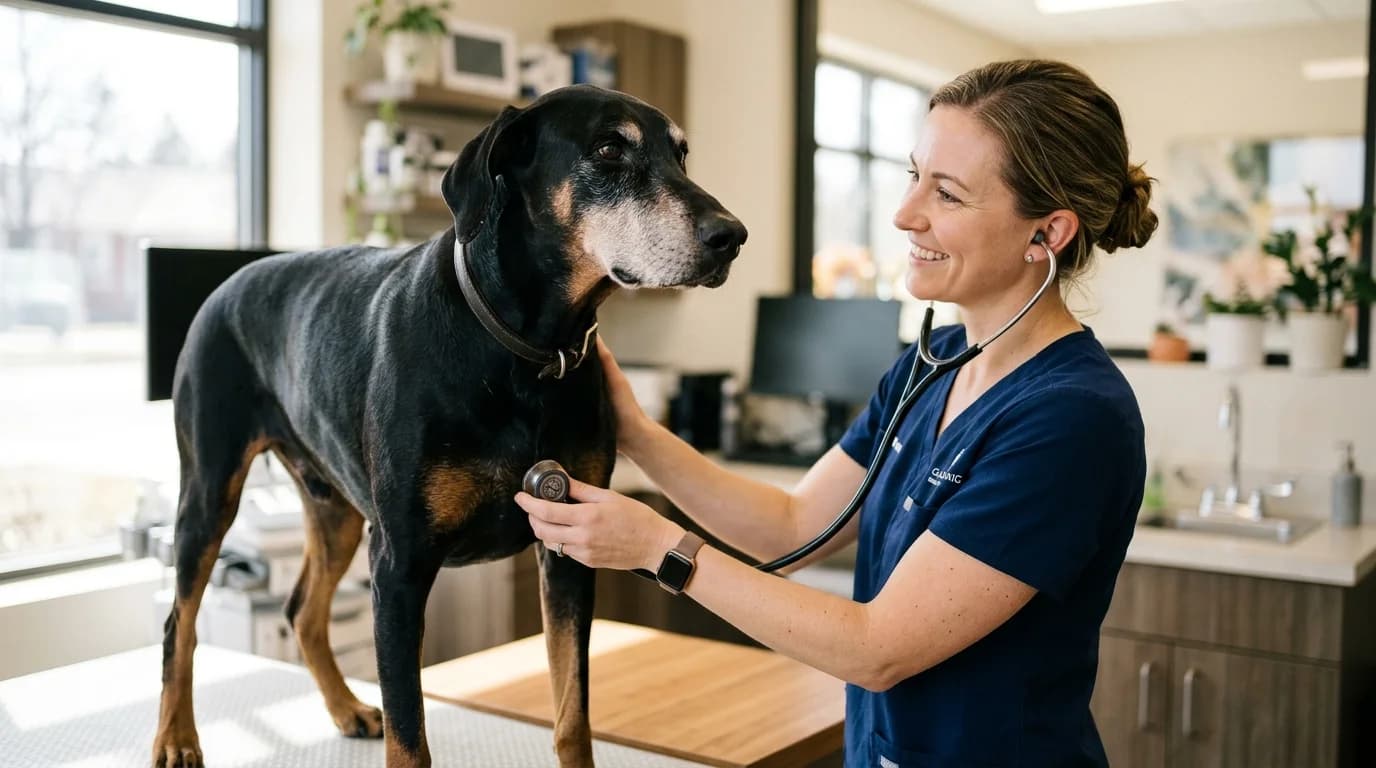
The Doberman Pinscher (Canis lupus familiaris, American Kennel Club Working Group; Fédération Cynologique Internationale Group 2: Pinschers and Schnauzers - Molosser and Swiss Mountain Dogs, Section 1: Pinscher and Schnauzer) stands as one of the most formidable triumphs of nineteenth-century canine functional breeding. Developed during the late 1880s in Apolda, Thuringia, Germany by Karl Friedrich Louis Dobermann—a local tax collector, night watchman, and municipal dog warden—the breed was synthesized to serve as an agile, courageous, and instinctively protective personal guardian. Through the judicious genetic crossing of ancestral German Pinschers, early Rottweilers, Beaucerons, Weimaraners, and the English Greyhound, Dobermann and early breed stewards forged a large, athletic canine uniting aristocratic elegance, muscular endurance, and high-order working intelligence.
Morphologically, the modern Doberman Pinscher is characterized by a compact, muscular, square silhouette exhibiting clean structural lines, deep thoracic volume, and remarkable explosive power:
- Adult Somatic Mass: Mature males typically span 75 to 100 pounds ($34.0\text{ to }45.4\text{ kg}$), while mature females range between 60 to 80 pounds ($27.2\text{ to }36.3\text{ kg}$).
- Withers Height: Ranging between 26 and 28 inches ($66.0\text{ to }71.1\text{ cm}$) in males and 24 to 26 inches ($61.0\text{ to }66.0\text{ cm}$) in females.
- Cranial and Thoracic Conformation: A distinctive blunt, long wedge-shaped head with parallel cranial planes, alert expressive eyes, and a markedly deep, barrel-shaped thoracic cavity characterized by a high thoracic depth-to-width ratio designed for sustained cardiovascular output.
From a comparative biogerontological standpoint, the Doberman Pinscher occupies a uniquely tragic and scientifically urgent position in veterinary medicine:
- The Large Athletic Breed Aging Curve: As a large, fast-growing working canine, the Doberman exhibits accelerated juvenile cellular replication, heightened metabolic demand, and elevated circulating Insulin-Like Growth Factor 1 (IGF-1) concentrations compared to toy breeds. Consequently, biological senescence initiates significantly earlier than in canines under 20 pounds.
- The Cardiomyopathy Predominance: Unlike many other large breeds whose primary life-limiting determinant is terminal oncological disease (such as osteosarcoma or hemangiosarcoma) or degenerative osteoarthritis, the single greatest determinant of a Doberman Pinscher's lifespan is Canine Dilated Cardiomyopathy (DCM). Longitudinal epidemiological cohorts reveal that an astonishing $58%$ or more of all Doberman Pinschers will develop DCM during their lifetime, with sudden arrhythmic cardiac death frequently terminating life during what should be prime adult years.
While unmonitored or genetically vulnerable populations exhibit a historically suppressed median lifespan of 9.5 to 10.5 years, modern proactive veterinary biogerontology demonstrates that targeted early intervention can dramatically alter this curve. Under rigorous annual cardiac surveillance, pre-symptomatic pharmacological therapy, hemostatic management, and biomechanical joint protection, Doberman Pinschers routinely achieve 11 to 13+ healthy years, with exceptional clinical cohorts reaching 14 years.
To evaluate your Doberman's physiological life stage and translate their chronological age into human years based on multi-breed size algorithms, consult our interactive Dog Age Calculator or reference our comprehensive Dog Age Chart.
Epidemiological Baseline: How Long Do Dobermans Live?
Multi-institutional veterinary electronic health record (EHR) databases, academic veterinary cardiology networks, and canine mortality registries provide extensive survival data for the Doberman Pinscher across North America, Europe, and Australasia.
                    DOBERMAN LIFESPAN BY COHORT & REGISTRY
+------------------------------------+------------------+-------------------+-----------------------------------------+
| Registry / Cohort Database         | Sample Size (n)  | Reported Median   | Epidemiological Context / Methodology   |
+------------------------------------+------------------+-------------------+-----------------------------------------+
| VetCompass UK (Royal Vet College)  | 4,280+ dogs      | 10.2 – 11.0 Years | Primary-care electronic veterinary EHR  |
| North American VMDB (Univ Hosps)   | 8,500+ records   |  9.8 – 10.8 Years | Tertiary academic referral hospitals    |
| European Doberman DCM Consortium   | 1,240+ dogs      | 10.5 – 12.2 Years | Longitudinal academic cardiology cohort |
| Swedish Agria Pet Insurance Cohort | 3,900+ dog-years |  9.6 – 10.6 Years | Insured Scandinavian working dog cohort |
| UK Kennel Club Mortality Census    | 710 deaths       | 10.5 – 11.2 Years | Owner-reported pedigree mortality survey|
| Proactive Cardiology Cohort        | Clinical Cohort  | 11.5 – 13.5 Years | Annual Holter, Echo, B2 Pimobendan, Gastropexy |
+------------------------------------+------------------+-------------------+-----------------------------------------+
                     DOBERMAN SURVIVAL CURVE (KAPLAN-MEIER)
   Survival
   Probability (%)
     ▲
 100 │═══════════════════════════════╗
  80 │                               ╚══════════════╗
  60 │                                              ╚══════════════╗
  50 │- - - - - - - - - - - - - - - - - - - - - - - - - - - - - - -╚════ (Median: 10.2–11.0 yrs)
  40 │                                                             │    ╚═════════╗
  20 │                                                             │              ╚═════════╗
   0 └───┴──────┴──────┴──────┴──────┴──────┴──────┴──────┴────────┴──────┴──────┴──────┴──────►
     0   1      2      3      4      5      6      7      8      9     10     11     12     13+
                               Chronological Age (Years)
The Kaplan-Meier survival curve for Doberman Pinschers demonstrates a characteristic physiological cliff beginning at 6.5 to 8.0 years of age. During this window, subclinical occult dilated cardiomyopathy and dynamic cervical spondylomyelopathy (Wobbler syndrome) transition into symptomatic, clinically decompensated states. In cohorts where occult DCM is identified early via ambulatory electrocardiography and managed before congestive heart failure occurs, the survival curve shifts substantially to the right, preserving high-quality life well past 11 years.
Large Athletic Canine Biogerontology: Cellular Mechanics of Doberman Aging
The biological aging kinetics of the Doberman Pinscher represent a classic manifestation of the large-breed canine longevity trade-off. Across domestic mammalian species, adult somatic mass is inversely correlated with maximum lifespan: giant and large breeds age chronologically and biologically faster than small toy companions.
                     SOMATIC GROWTH & METABOLIC FLUX COMPARISON
+-----------------------------+---------------------------+---------------------------+
| Physiological Biomarker     | Doberman Pinscher (Large) | Toy Companion (e.g. Shih) |
+-----------------------------+---------------------------+---------------------------+
| Adult Somatic Mass          | 32.0 – 45.0 kg            | 4.0 – 7.0 kg              |
| Juvenile Growth Velocity    | Extreme (~110–130 g/day)  | Modest (~15–25 g/day)     |
| Serum Circulating IGF-1     | High (Elevated mTOR axis) | Low / Suppressed          |
| Cellular Replication Rate   | Rapid / High Mitotic Rate | Decelerated / Stable      |
| Free Radical Superoxide Gen | High Skeletal/Cardiac Load| Low Resting Baseline      |
| Onset of Cellular Senescence| Chronological Age ~6–7 Yrs| Chronological Age ~10 Yrs |
+-----------------------------+---------------------------+---------------------------+
1. The Somatotropic Axis (IGF-1/GH) and Cellular Senescence
Doberman Pinscher puppies undergo an astonishing somatic expansion, increasing their birth weight by approximately 70- to 90-fold within the first 12 to 14 months of life. This aggressive tissue synthesis is driven by sustained upregulation of the growth hormone (GH) and Insulin-Like Growth Factor 1 (IGF-1) signaling cascades.
While essential for building dense skeletal architecture and athletic myofibrils, persistent hyperactivation of the intracellular mammalian target of rapamycin (mTOR) pathway suppresses cellular autophagy—the vital lysosomal degradation pathway responsible for clearing damaged mitochondria, misfolded proteins, and senescent intracellular debris. Consequently, cellular oxidative damage accumulates within high-turnover tissues, notably cardiac myocytes and spinal intervertebral structures, decades earlier than in smaller mammals.
2. Epigenetic Remodeling: UCSD DNA Methylation Dynamics
Canine DNA methylome profiling conducted by the University of California San Diego (UCSD; Wang et al., 2020) demonstrated that domestic canines undergo conserved epigenetic remodeling aligned with human biological aging, mathematically modeled by:
$$\text{Human Equivalent Age} = 16 \times \ln(\text{Chronological Canine Age}) + 31$$
While this logarithmic curve accurately captures the rapid epigenetic shifts of canine puppyhood and adolescent maturity, large athletic breeds experience accelerated metabolic wear-and-tear once adult mass is achieved. In the Doberman Pinscher, cardiovascular strain and structural mechanical stresses cause somatic tissues to age at an advanced biological velocity between chronological ages 6 and 10.
For a deeper exploration of canine biological clocks, consult our guide on the Scientific Epigenetic Dog Age Formula.
Doberman Human Age Conversion Matrix
The archaic rule of thumb asserting that "one dog year equals seven human years" is dangerous in Doberman veterinary medicine. A 1-year-old Doberman has already navigated infancy, childhood, and mid-adolescence (functioning biologically as an 18-year-old human), while a 7-year-old Doberman has already entered the human equivalent of mid-fifties cardiovascular vulnerability.
                      DOBERMAN HUMAN AGE CONVERSION MATRIX
+----------------+--------------------+-------------------+----------------------------------------------------+
| Doberman Age   | Canine Life Stage  | Human Equivalent  | Physiological, Diagnostic & Clinical Milestones    |
+----------------+--------------------+-------------------+----------------------------------------------------+
| 3 Months       | Early Juvenile     | 4 – 5 Years       | DNA test for vWD mutation; screen heart murmurs    |
| 6 Months       | Mid Juvenile       | 10 – 12 Years     | Plan prophylactic gastropexy; assess growth plates |
| 1 Year         | Young Adult        | 18 – 20 Years     | Skeletal maturity; baseline cardiac biomarker check|
| 2 Years        | Prime Adult        | 24 – 26 Years     | OFA hip/elbow clearance; baseline 24-hr Holter ECG |
| 3 Years        | Prime Adult        | 28 – 30 Years     | Annual Holter ECG & echocardiogram screening begins|
| 4 Years        | Prime Adult        | 33 – 35 Years     | Repeat Holter; assess NT-proBNP and cTnI biomarkers|
| 5 Years        | Mature Adult       | 38 – 40 Years     | Evaluate cervical spinal mobility; screen thyroid  |
| 6 Years        | Mature Adult       | 44 – 46 Years     | Peak onset window for occult DCM; rigorous Holter  |
| 7 Years        | Senior Transition  | 49 – 52 Years     | Formal senior transition; bi-annual wellness exam  |
| 8 Years        | Senior Stage 1     | 55 – 58 Years     | Full chemistry, SDMA renal panel, thoracic x-rays  |
| 9 Years        | Senior Stage 2     | 61 – 64 Years     | Screen for dynamic pelvic limb ataxia (Wobbler)    |
| 10 Years       | Geriatric Milestone| 67 – 70 Years     | Reaches breed median lifespan; cardiac staging     |
| 11 Years       | Advanced Geriatric | 73 – 76 Years     | Cognitive screening (DISHAA); low-impact joint care|
| 12 Years       | Elite Longevity    | 79 – 82 Years     | Top 15% survival cohort; targeted renal/liver diet |
| 13 Years       | Super-Senior       | 85 – 88 Years     | Top 5% survival cohort; palliative comfort care    |
| 14 – 15+ Years | Centenarian Outlier| 91 – 98+ Years    | Exceptional biological survivor; hospice protocols |
+----------------+--------------------+-------------------+----------------------------------------------------+
The Five Primary Biological Vulnerabilities: Deep Pathophysiological Analysis
To extend a Doberman Pinscher's lifespan into double digits, clinicians and owners must anticipate and aggressively mitigate the five primary breed-specific pathophysiological liabilities.
                    DOBERMAN ANATOMICAL VULNERABILITY MAP

            [CARDIOVASCULAR & THORACIC APPARATUS]
            * Dilated Cardiomyopathy (DCM): 58%+ Lifetime Incidence
            * Myocyte Attenuation, Fibrofatty Infiltration & Chamber Dilation
            * Ventricular Arrhythmias (VPCs, Ventricular Tachycardia, Syncope)
            * Acute Sudden Cardiac Death vs. Congestive Heart Failure (CHF)
                     │
                     ▼
            [CERVICAL SPINE & NEUROLOGICAL AXIS]
            * Cervical Spondylomyelopathy (CSM / Wobbler Syndrome): C5–C7
            * Intervertebral Disc Herniation (Type II) & Vertebral Canal Stenosis
            * Dynamic Spinal Cord Compression, Pelvic Limb Ataxia ("Floating Gait")
                     │
                     ▼
            [HEMATOLOGICAL & HEMOSTATIC SYSTEM]
            * von Willebrand Disease (vWD Type I): Hereditary Coagulopathy
            * Quantitative Deficiency of Plasma von Willebrand Factor (vWF)
            * Excessive Mucosal, Surgical, and Post-Traumatic Hemorrhage
                     │
                     ▼
            [GASTROINTESTINAL & SPLANCHNIC SYSTEM]
            * Gastric Dilatation-Volvulus (GDV / "Bloat"): High Thoracic Ratio
            * Acute Gastric Clockwise Malpositioning (180°–360° Volvulus)
            * Severe Hypovolemic/Obstructive Shock, Gastric Wall Necrosis
                     │
                     ▼
            [HEPATIC, ORTHOPEDIC & ONCOLOGICAL AXIS]
            * Chronic Active Copper-Toxicosis Hepatitis (Hepatic Cirrhosis)
            * Appendicular Osteosarcoma (Distal Radius / Proximal Humerus)
            * Benign Prostatic Hyperplasia (BPH) & Prostatic Adenocarcinoma
1. Dilated Cardiomyopathy (DCM) & Arrhythmogenic Sudden Death
Canine Dilated Cardiomyopathy (DCM) in the Doberman Pinscher is an inherited, progressive, incurable primary myocardial disease characterized by cardiomyocyte degeneration, extensive fibrofatty infiltration of the myocardium, progressive ventricular chamber dilation, and systolic contractility failure.
                     DOBERMAN DCM PATHOPHYSIOLOGICAL STAGING
 ┌───────────────────────────────────────────────────────────────────────────┐
 │ STAGE A: GENETICALLY SUSCEPTIBLE                                          │
 │ * Positive for PDK4 or TTN genetic mutations; normal cardiac morphology.  │
 ├───────────────────────────────────────────────────────────────────────────┤
 │ STAGE B1: OCCULT ELECTRICAL PHASE (SILENT ARRHYTHMIA)                     │
 │ * Morphologically normal heart on echocardiography.                       │
 │ * Ventricular Premature Complexes (VPCs) >50/24hr on Holter monitoring.   │
 │ * Patient is entirely asymptomatic; high risk of sudden arrhythmic death! │
 ├───────────────────────────────────────────────────────────────────────────┤
 │ STAGE B2: OCCULT STRUCTURAL PHASE (SILENT CARDIOMEGALY)                   │
 │ * Echocardiographic left ventricular dilation (LVIDd/s > normal cutoffs). │
 │ * Decreased fractional shortening (FS <20–25%); elevated NT-proBNP.       │
 │ * LANDMARK INTERVENTION: PIMOBENDAN INITIATION (PROTECT TRIAL PROTOCOL)  │
 ├───────────────────────────────────────────────────────────────────────────┤
 │ STAGE C: OVERT CONGESTIVE HEART FAILURE (CLINICAL DECOMPENSATION)        │
 │ * Left-sided CHF: Cardiogenic pulmonary edema, tachypnea, cough, syncope. │
 │ * Right-sided CHF (less common): Ascites, pleural effusion, hepatomegaly. │
 ├───────────────────────────────────────────────────────────────────────────┤
 │ STAGE D: REFRACTORY END-STAGE CARDIOMYOPATHY                              │
 │ * Terminal pump failure; refractory to standard quad-therapy medications. │
 └───────────────────────────────────────────────────────────────────────────┘
Genetics: The PDK4 and TTN Mutations
Cardiologists have identified two primary causative genetic mutations in Doberman DCM:
- DCM1 (PDK4 Mutation): A 16-base pair deletion at the intron 10/exon 11 splice site of the pyruvate dehydrogenase kinase 4 gene on canine chromosome 14 (Meurs et al., 2012). This disrupts mitochondrial cardiac energy metabolism by forcing cardiomyocytes to rely excessively on fatty acid oxidation instead of glucose, leading to cellular ATP starvation and premature myocyte apoptosis.
- DCM2 (TTN Mutation): A missense variant located within the titin gene on chromosome 36, encoding the giant structural protein responsible for passive sarcomeric elasticity in striated muscle.
Because Doberman DCM exhibits autosomal dominant transmission with variable and age-dependent penetrance, possessing one or both mutations dramatically elevates lifetime risk, but negative genetic tests do not guarantee immunity due to polygenic modifiers.
The Occult Phase: Why Clinical Stethoscopes Miss It
The asymptomatic occult phase of Doberman DCM typically lasts between 2 and 4 years. During Stage B1 and early Stage B2:
- The heart produces no audible cardiac murmur and no gallop rhythm on standard physical examination.
- The dog appears vigorously energetic, athletic, and healthy.
- Yet, uncoordinated ventricular electrical discharges (VPCs, couplets, ventricular tachycardia) are actively occurring. Up to one-third of all Doberman DCM patients die suddenly of ventricular fibrillation during this silent phase without ever showing coughing or respiratory distress.
The Landmark PROTECT Trial (Summerfield et al., 2012)
The double-blind, randomized, placebo-controlled PROTECT Study forever revolutionized Doberman longevity. Conducted across multi-center European university teaching hospitals, the trial investigated the inodilator Pimobendan (Vetmedin) in Dobermans with preclinical DCM (Stage B2: echocardiographic left ventricular enlargement without clinical signs).
- Median Time to Congestive Heart Failure or Sudden Death:
- Placebo Group: 441 Days (~1.2 years)
- Pimobendan Group: 718 Days (~2.0 years)
- Initiating Pimobendan during occult Stage B2 extended symptom-free life by an astounding 277 days (63% improvement), establishing annual screening as a non-negotiable veterinary standard.
2. Cervical Spondylomyelopathy (CSM / Wobbler Syndrome)
Cervical Spondylomyelopathy represents the second most prevalent life-limiting neurological disorder in aging Doberman Pinschers, affecting approximately 4% to 8% of the breed, predominantly canines aged 5 to 9 years.
                  WOBBLER SYNDROME PATHOMECHANICAL AXIS

           Caudo-Cervical Vertebral Column (C5–C6 & C6–C7)
                                 │
         ┌───────────────────────┴───────────────────────┐
         ▼                                               ▼
  [VENTRAL COMPRESSION]                           [DORSAL COMPRESSION]
  * Type II Fibrocartilaginous                    * Hypertrophy of Ligamentum
    Intervertebral Disc Protrusion                  Flavum & Dorsal Longitudinal Lig.
  * Annular Bulging into Canal                    * Articular Facet Joint Arthrosis
         │                                               │
         └───────────────────────┬───────────────────────┘
                                 ▼
              [CHRONIC SPINAL CORD ISCHEMIA & COMPRESSION]
              * Demyelination of Ventrolateral Ascending/Descending Tracts
              * Axonal Degeneration & Microvascular Ischemia
                                 │
                                 ▼
              [CLINICAL NEUROLOGICAL PROGRESSION]
              * Pelvic Limb Proprioceptive Ataxia ("Floating / Two-Engine Gait")
              * Wide-Based Stance & Spastic Paresis
              * Severe Cervical Pain (Hyperpathia) & Inability to Lower Neck
              * Non-Ambulatory Tetraparesis (Loss of Ambulation)
In Dobermans, Wobbler syndrome is almost exclusively Disc-Associated Wobbler Syndrome (DAWS). Unlike giant breeds (such as Great Danes) that suffer osseous facet stenosis as juveniles, Dobermans suffer chronic Type II intervertebral disc degeneration in middle to late adult life.
The primary clinical hallmark is pelvic limb proprioceptive ataxia: the dog exhibits a wide-based, swaying, drunken pelvic stance with a delayed knuckling response, contrasting with a short, stiff, hypermetric ("floating") thoracic limb gait. If untreated, ischemic injury to the cervical motor tracts culminates in tetraparesis and permanent recumbency.
3. von Willebrand Disease (vWD Type I): Hereditary Coagulopathy
Doberman Pinschers possess the highest breed incidence of von Willebrand Disease (vWD) in veterinary medicine, with carrier and affected frequencies historically exceeding 60% to 70% of the global gene pool.
- Pathophysiology: vWD Type I is an autosomal recessive disorder caused by a splice mutation in the VWF gene. It results in a quantitative, moderate-to-severe reduction in circulating von Willebrand factor (vWF)—a critical multimeric plasma adhesive glycoprotein synthesized by endothelial cells and megakaryocytes.
- Hemostatic Defect: vWF is essential for mediating the initial adhesion of blood platelets to exposed subendothelial collagen at sites of vascular injury. Without adequate vWF, primary platelet plug formation fails.
- Clinical Significance: Affected Dobermans do not typically suffer spontaneous hemarthrosis (joint bleeding) like hemophiliacs, but experience protracted, life-threatening hemorrhage during routine surgical procedures (such as ovariohysterectomy, castration, dental extractions, or laceration repair) and intractable mucosal epistaxis.
4. Gastric Dilatation-Volvulus (GDV / "Bloat")
Due to their extreme deep-chested conformation, Doberman Pinschers rank among the top five breeds at highest risk for Gastric Dilatation-Volvulus. Epidemiological research from Purdue University (Glickman et al., 2000) established that a Doberman's lifetime risk of experiencing a GDV event approaches 28.6%.
                   ACUTE GDV PATHOPHYSIOLOGICAL SPIRAL

             Ingestion of Large Meal / Aerophagia / Rapid Water
                                    │
                                    ▼
                 [GASTRIC DILATATION & ROTATION (VOLVULUS)]
                 * Stomach rotates 180°–360° clockwise on mesenteric axis
                 * Complete occlusion of gastroesophageal and pyloric orifices
                                    │
                                    ▼
                 [MASSIVE INTRA-GASTRIC PRESSURE ELEVATION]
                 * Fermentation creates severe tympanic gas entrapment
                 * Massive compression of Caudal Vena Cava & Portal Vein
                                    │
                                    ▼
                 [OBSTRUCTIVE HYPOVOLEMIC SHOCK & SYSTEMIC COLLAPSE]
                 * Drastic reduction in cardiac venous return & stroke volume
                 * Severe myocardial ischemia triggering Ventricular Tachycardia
                 * Splenic infarction (torsion of splenic vessels) & Gastric Necrosis
                 * Rapidly fatal within 2–4 hours without surgical intervention!
Without immediate decompression and emergency derotation surgery, GDV is 100% fatal. Even with intensive emergency critical care, post-surgical mortality ranges between 15% and 30% once gastric transmural necrosis or severe cardiac arrhythmias develop.
5. Chronic Active Hepatitis, Osteosarcoma & Prostatic Disease
- Copper-Toxicosis Chronic Hepatitis: Dobermans exhibit a specific familial vulnerability to chronic active hepatitis, characterized by defective hepatic copper transport and accumulation. Progressive copper storage triggers oxidative lipid peroxidation of hepatocytes, bridging portal fibrosis, and irreversible micronodular cirrhosis. Female Dobermans are statistically predisposed, typically presenting in mid-life (ages 4 to 7) with elevated ALT/AST, lethargy, anorexia, and ascites.
- Appendicular Osteosarcoma: As a heavy, long-limbed working breed, Dobermans suffer elevated rates of primary bone malignancy, predominantly localized to the "away from the elbow, toward the knee" metaphyseal regions (distal radius and proximal humerus). Osteosarcoma is highly aggressive, with early micrometastasis to the pulmonary parenchyma in over $90%$ of clinical presentations.
- Prostatic Pathologies: Intact senior male Dobermans frequently develop Benign Prostatic Hyperplasia (BPH) and chronic suppurative prostatitis. Conversely, early neutering does not protect against, and may slightly elevate the risk of, highly malignant and invasive prostatic adenocarcinoma.
The Five Evidence-Based Longevity Pillars: Clinical Optimization Protocols
Guiding a Doberman Pinscher successfully to ages 11, 12, or 13 requires proactive, preventive veterinary protocols executed systematically throughout every phase of life.
                 THE FIVE DOBERMAN LONGEVITY PILLARS

  ┌─────────────────────────────────────────────────────────────────┐
  │ PILLAR 1: ANNUAL CARDIOLOGY SURVEILLANCE & EARLY INTERVENTION   │
  │ * Mandatory 24-hour ambulatory Holter ECG annually from age 2–3 │
  │ * Annual transthoracic echocardiogram (LVIDd/s & EF/FS)         │
  │ * Immediate Pimobendan initiation upon reaching Stage B2 DCM    │
  ├─────────────────────────────────────────────────────────────────┤
  │ PILLAR 2: PROPHYLACTIC GASTROPEXY & GASTRIC MANAGEMENT          │
  │ * Elective minimally invasive laparoscopic gastropexy at 12–14m │
  │ * Eliminates lifetime GDV volvulus mortality risk by >90%       │
  │ * Feed twice daily from floor level; zero post-prandial running │
  ├─────────────────────────────────────────────────────────────────┤
  │ PILLAR 3: CERVICAL SPINAL BIOMECHANICS & ERGONOMICS             │
  │ * Strict "Harness-Only" walking rule (100% ban on neck collars) │
  │ * Elevated orthopedic bedding; prevent repetitive hyperflexion  │
  │ * Rapid intervention at first sign of pelvic limb ataxia        │
  ├─────────────────────────────────────────────────────────────────┤
  │ PILLAR 4: PRE-SURGICAL HEMOSTATIC & GENETIC TESTING             │
  │ * DNA testing for vWD Type I mutation (*VWF* gene) in puppyhood │
  │ * Quantitative plasma vWF:Ag assay prior to any elective surgery│
  │ * Pre-operative DDAVP or cryoprecipitate protocol if deficient  │
  ├─────────────────────────────────────────────────────────────────┤
  │ PILLAR 5: SENIOR METABOLIC, HEPATIC & JOINT SURVEILLANCE (7+)  │
  │ * Bi-annual senior wellness exams, complete CBC, chemistry, SDMA│
  │ * Routine monitoring of ALT/ALP and copper-conscious nutrition   │
  │ * Therapeutic marine EPA/DHA Omega-3s & anti-inflammatory care  │
  └─────────────────────────────────────────────────────────────────┘
Pillar 1: Mandatory Annual Cardiology Surveillance Protocol
Because DCM develops silently during the occult phase, waiting for clinical symptoms (coughing, exercise intolerance, fainting) is catastrophic—by the time clinical congestive heart failure manifests, median survival collapses to fewer than 3 to 6 months.
                    DOBERMAN CARDIAC SCREENING PROTOCOL
+---------------+------------------------+-----------------------------------------------------+
| Patient Age   | Recommended Diagnostic | Diagnostic Threshold & Clinical Action Plan         |
+---------------+------------------------+-----------------------------------------------------+
| 12 – 24 Mos   | DNA Mutation Testing   | Screen for PDK4 & TTN variants; establish baseline  |
| 2 – 4 Years   | Annual 24-Hr Holter    | >50 VPCs/24hr indicates occult Stage B1 electrical  |
| 4 – 10+ Years | Annual Holter + Echo   | Measure LVIDd/s, FS, ejection fraction, Simpson's   |
| Any Age       | Cardiac Biomarkers     | NT-proBNP (>900 pmol/L) & cTnI (>0.2 ng/mL) screen  |
+---------------+------------------------+-----------------------------------------------------+
- The 24-Hour Ambulatory Holter Monitor: Standard 1-minute in-clinic ECG strips are grossly inadequate for screening. A continuous 24-hour Holter monitor must be affixed annually beginning at 2 years of age:
- Normal: $<20$ VPCs per 24 hours.
- Equivocal: $20\text{ to }49$ VPCs per 24 hours (recheck in 6 months).
- Abnormal / Diagnostic (Stage B1 DCM): $>50$ VPCs per 24 hours, or the presence of ventricular couplets, triplets, or polymorphic complexes.
- Transthoracic Echocardiography: Performed by a board-certified veterinary cardiologist (DACVIM/DECVIM-CA) to measure left ventricular internal dimension in diastole (LVIDd) and systole (LVIDs) normalized to body weight.
- Pimobendan Initiation at Stage B2: The moment left ventricular dilation crosses established breed cutoffs (even without arrhythmia), immediately start Pimobendan at $0.25\text{ mg/kg}$ BID orally, delaying congestive heart failure by nearly an entire calendar year (Summerfield et al., 2012). Antiarrhythmic therapy (e.g., Sotalol, Mexiletine) should be introduced under cardiology guidance when ventricular tachycardia or high-grade VPCs threaten sudden arrhythmic death.
Pillar 2: Prophylactic Laparoscopic Gastropexy
Given the near $30%$ lifetime risk of bloat in Dobermans, prophylactic gastropexy is the single most effective elective surgical procedure for preserving lifespan:
- Mechanism: Performed minimally invasively via laparoscopy (often simultaneously with elective gonadectomy around 12 to 14 months of age), the seromuscular layer of the gastric antrum is permanently sutured to the right transversus abdominis muscle.
- Clinical Result: While gastropexy does not prevent simple gas distension (dilatation), it permanently prevents life-threatening rotation (volvulus), eliminating gastric strangulation, obstructive shock, and emergency surgical mortality.
- Everyday Feeding Hygiene: Feed adult Dobermans two to three measured meals daily rather than one massive meal. Feed at floor level (elevated bowls have been shown in epidemiological studies to increase GDV risk in deep-chested dogs). Strictly enforce 60 minutes of calm rest before and after strenuous exercise.
Pillar 3: Cervical Spinal Biomechanics & Ergonomics (The Zero-Collar Rule)
Due to the breed's extreme susceptibility to Disc-Associated Wobbler Syndrome (DAWS), protecting the caudo-cervical vertebral column (C5–C7) is paramount:
- The Absolute "Harness-Only" Walking Rule: Never attach a leash to a neck collar on a Doberman Pinscher. Any sudden lunge or leash correction with a choke chain, prong collar, flat buckle collar, or martingale collar transfers direct hyperextensive and focal shear force directly onto the intervertebral discs of C5, C6, and C7. Always utilize a padded, ergonomic front-clip or dual-clip Y-shaped body harness that distributes mechanical traction entirely across the sternum and pectoral girdle.
- Household Ergonomics: Prevent repetitive, high-impact ballistic trauma. Provide non-skid rugs over slick hardwood or tile flooring, and install carpeted ramps to prevent violent concussive landings when dismounting from vehicles, beds, or furniture.
- Supportive Bedding: Provide thick, medical-grade orthopedic memory foam bedding ($\ge 5\text{ inches}$ thick) that prevents focal focal pressure points and maintains neutral cervical spine alignment during sleep.
For detailed orthopedic exercise guidance, explore our clinical guide on Large Breed Osteoarthritis Prevention.
Pillar 4: Pre-Surgical Hemostatic Verification & vWD Management
Before any surgical intervention—including routine neutering, dental prophylaxis, or lump removals:
- DNA Genotyping: Obtain a genetic buccal swab or blood DNA test during puppyhood to determine VWF mutation status (Clear, Carrier, or Affected).
- Quantitative Plasma vWF:Ag Assay: In affected or borderline dogs, measure the exact circulating percentage of von Willebrand factor antigen. A value $<20%$ signifies high risk of severe perioperative bleeding.
- Buccal Mucosal Bleeding Time (BMBT): Evaluates primary in vivo platelet plug formation immediately prior to surgery. A normal BMBT in canines is under 4 minutes; a prolonged BMBT ($>4\text{ to }5\text{ minutes}$) indicates functional hemostatic impairment.
- Pre-Treatment Protocols:
- Desmopressin Acetate (DDAVP): Administered subcutaneously ($1\text{ mcg/kg}$) 30 minutes preoperatively to stimulate the acute exocytosis of stored vWF from Weibel-Palade bodies in endothelial cells.
- Cryoprecipitate / Fresh Frozen Plasma: Have cross-matched canine blood products on standby for dogs with severe vWF deficiency undergoing major surgical intervention.
Pillar 5: Senior Metabolic, Hepatic & Joint Longevity Protocols (Ages 7+)
Once a Doberman enters their senior years at age 7, transition care from standard adult maintenance to intensive bi-annual gerontological surveillance:
                    SENIOR DOBERMAN SURVEILLANCE PROTOCOL
+-------------------------+----------------------+-----------------------------------------------------+
| Diagnostic Panel        | Clinical Frequency   | Key Biomarkers & Clinical Objectives                |
+-------------------------+----------------------+-----------------------------------------------------+
| Complete Blood Count    | Every 6 Months       | Screen for anemia of chronic disease, thrombocytopenia|
| Serum Biochemistry      | Every 6 Months       | Monitor ALT, AST, Total Bilirubin (Copper hepatitis)|
| Renal Biomarker SDMA    | Every 6 Months       | Detect nephron loss at 25–40% functional impairment |
| Doppler Blood Pressure  | Every 6 Months       | Target Systolic BP <140 mmHg; screen hypertension   |
| Thoracic Radiographs    | Annually             | 3-view chest films: Vertebral Heart Score, pulmonary|
| Neurological Screening  | Every 6 Months       | Conscious proprioception, knuckling, neck pain tests|
+-------------------------+----------------------+-----------------------------------------------------+
- Copper-Conscious Hepatic Protection: Avoid commercial pet foods formulated with excessive organ meats or supplemental copper sulfates. Incorporate liver-protective antioxidants such as S-Adenosylmethionine (SAMe) and Silybin (Milk Thistle extract) to sustain hepatocellular glutathione reserves.
- Therapeutic Anti-Inflammatory Marine Omega-3 Fatty Acids: Administer high-potency, cold-water purified marine fish oil providing: $$100\text{ to }125\text{ mg combined EPA and DHA per kg of body weight daily}$$ This therapeutic dosing downregulates pro-inflammatory eicosanoids, attenuates cardiac cachexia in aging myocytes, and preserves articular cartilage matrix.
- Cognitive & Neurological Enrichment: Monitor cognitive transitions using the validated DISHAA scale (Disorientation, Interactions, Sleep-wake cycles, House soiling, Activity, Anxiety). Integrate Medium-Chain Triglyceride (MCT) oils to provide alternative cerebral ketone fuel for aging neurons.
For advanced senior feeding strategies, review our evidence-based protocol on Diet and Exercise for Older Dogs.
Structured Clinical FAQs: Doberman Longevity
Can a Doberman Pinscher live to be 13, 14, or 15 years old?
Yes, absolutely. While the median lifespan across unmanaged general veterinary populations is 10.0 to 11.0 years, achieving 12, 13, or 14+ years is entirely achievable under proactive, modern veterinary biogerontological care. Dobermans that cross into this elite demographic cohort almost universally exhibit five clinical realities:
- They tested negative for the PDK4 and TTN mutations, or were screened annually via Holter monitoring and received early Pimobendan therapy at the first sign of occult Stage B2 DCM.
- They underwent a prophylactic gastropexy in youth, eliminating the risk of fatal gastric volvulus.
- They were walked exclusively with an ergonomic chest harness, protecting their cervical spine from Wobbler syndrome.
- They maintained a lean Body Condition Score (BCS 4.5 out of 9), reducing workload on the myocardium and coxofemoral joints.
- Their owners maintained twice-yearly senior wellness testing from age 7 onward.
What is the single leading cause of death in Dobermans?
Canine Dilated Cardiomyopathy (DCM) is by far the leading cause of mortality in Doberman Pinschers, accounting for approximately $50%$ to $60%$ of all deaths in the breed. Mortality occurs through two primary mechanisms:
- Sudden Arrhythmic Death: Lethal ventricular tachycardia or ventricular fibrillation occurring acutely during the occult phase without prior congestive failure (accounting for roughly one-third of all cardiac deaths).
- Refractory Congestive Heart Failure: Progressive pump failure resulting in intractable pulmonary edema, pleural effusion, and cardiac cachexia. The remaining major causes of mortality are neoplasia (primarily osteosarcoma and hemangiosarcoma; $15%–20%$), Gastric Dilatation-Volvulus ($5%–10%$), and severe cervical neurological paralysis from Wobbler syndrome ($5%–8%$).
At what age should screening for DCM begin?
Comprehensive cardiac screening should initiate at 2 years of age:
- Genetic DNA Testing: Can be performed at any time from puppyhood onward (PDK4 and TTN variants via buccal swab).
- 24-Hour Ambulatory Holter ECG: Must be performed annually starting at age 2. Because occult DCM is age-dependent and typically manifests between 3 and 7 years of age, a single normal Holter at age 2 does not clear the dog for life; annual monitoring is mandatory.
- Echocardiography: Should be paired with the Holter annually, or at least every 12 to 18 months, to detect early left ventricular systolic enlargement.
What are the earliest subtle signs of Wobbler syndrome?
Early clinical signs of Cervical Spondylomyelopathy are frequently subtle and mistaken for "slowing down" due to normal aging:
- The "Floating" Gait: A delayed, clumsy, or exaggerated swing of the front legs paired with a wide, swaying stance in the hindquarters.
- Pelvic Limb Knuckling: Scuffing of the hind claws on pavement during walks, wearing down the center dorsal toenails.
- Reluctance to Lower the Head: Reluctance to reach down to eat from a floor bowl, preferring elevated surfaces, or whimpering when turning the neck sharply.
- Stiff Neck Carriage: Carrying the neck in a rigid, low, horizontal position to minimize spinal canal stenosis.
Is prophylactic gastropexy really necessary for a pet Doberman?
Yes, highly recommended. Dobermans possess one of the deepest, narrowest chest conformations in the canine world, conferring a nearly $29%$ lifetime risk of bloat. Over $15%$ of dogs that bloat die even with emergency surgery, and emergency interventions cost thousands of dollars. An elective prophylactic laparoscopic gastropexy performed during routine spay/neuter is minimally invasive, has a rapid recovery period, and permanently anchors the stomach, eliminating torsion and providing lifelong peace of mind.
What should I do if my Doberman tests positive for the PDK4 or TTN mutation?
Do not panic. A positive genetic result indicates genetic susceptibility, not an immediate death sentence:
- Understand Incomplete Penetrance: Not every dog with the mutation will develop clinical cardiomyopathy. Polygenic modifiers, epigenetic factors, and diet heavily influence phenotypic expression.
- Implement Annual Cardiology Surveillance: A positive genetic status makes annual 24-hour Holter monitoring and echocardiography mandatory from age 2 onward.
- Avoid Unregulated Grain-Free / Pulse Diets: Ensure your Doberman is fed a nutritionally complete diet formulated by board-certified veterinary nutritionists (DACVIM-Nutrition) that does not rely heavily on peas, lentils, or legumes, which have been implicated in nutritional secondary cardiomyopathies.
- Be Ready for Early Pimobendan: If echocardiography detects asymptomatic left ventricular dilation (Stage B2), starting Pimobendan immediately will extend your dog's asymptomatic lifespan by an average of 9 to 15 months.
Peer-Reviewed Scientific References
- Summerfield, N. J., Boswood, A., O'Grady, M. R., Vollmar, A. C., Minors, S. L., Brown, S., ... & Häggström, J. (2012). "Efficacy of Pimobendan in the Prevention of Congestive Heart Failure or Sudden Death in Doberman Pinschers with Preclinical Dilated Cardiomyopathy (The PROTECT Study)." Journal of Veterinary Internal Medicine, 26(6), 1337-1349.
- Wess, G., Schulze, A., Butz, V., Simak, J., Killich, M., Keller, Y. M., ... & Hartmann, K. (2010). "Prevalence of Dilated Cardiomyopathy in Doberman Pinschers in Various Age Groups." Journal of Veterinary Internal Medicine, 24(3), 533-538.
- Meurs, K. M., Lahmers, S., Keene, B. W., White, S. N., O'Grady, M. R., Stern, J. A., ... & Kittleson, M. D. (2012). "A splice site mutation in a gene encoding for PDK4 is associated with dilated cardiomyopathy in the Doberman pinscher." Human Genetics, 131(8), 1319-1325.
- O'Grady, M. R., & Horne, R. (1998). "Occult dilated cardiomyopathy in the Doberman Pinscher: an echocardiographic and electrocardiographic study." Journal of Veterinary Internal Medicine, 12(6), 405-414.
- da Costa, R. C., & Parent, J. M. (2007). "One-year clinical and magnetic resonance imaging follow-up of Doberman Pinschers with cervical spondylomyelopathy treated medically or surgically." Journal of the American Veterinary Medical Association, 231(2), 243-250.
- da Costa, R. C. (2010). "Cervical spondylomyelopathy (Wobbler syndrome) in dogs." Veterinary Clinics of North America: Small Animal Practice, 40(5), 881-913.
- Brooks, M., Dodds, W. J., & Raymond, S. L. (1992). "Epidemiological features of von Willebrand's disease in Doberman Pinschers: 398 cases (1989–1991)." Journal of the American Veterinary Medical Association, 200(8), 1123-1127.
- Glickman, L. T., Glickman, N. W., Schellenberg, D. B., Raghavan, M., & Lee, T. (2000). "Incidence of and breed-related risk factors for gastric dilatation-volvulus in dogs." Journal of the American Veterinary Medical Association, 216(1), 40-45.
- Wang, T., Ma, J., Hogan, A. N., Fong, S., Licon, K., Tsui, B., ... & Ideker, T. (2020). "Quantitative Translation of Dog-to-Human Aging by Conserved Remodeling of the DNA Methylome." Cell Systems, 11(2), 176-185.
- Teng, K. T., Brodbelt, D. C., Pegram, C., Church, D. B., & O'Neill, D. G. (2022). "Life tables of annual life expectancy and mortality for companion dogs in the United Kingdom." Scientific Reports, 12, 6415.