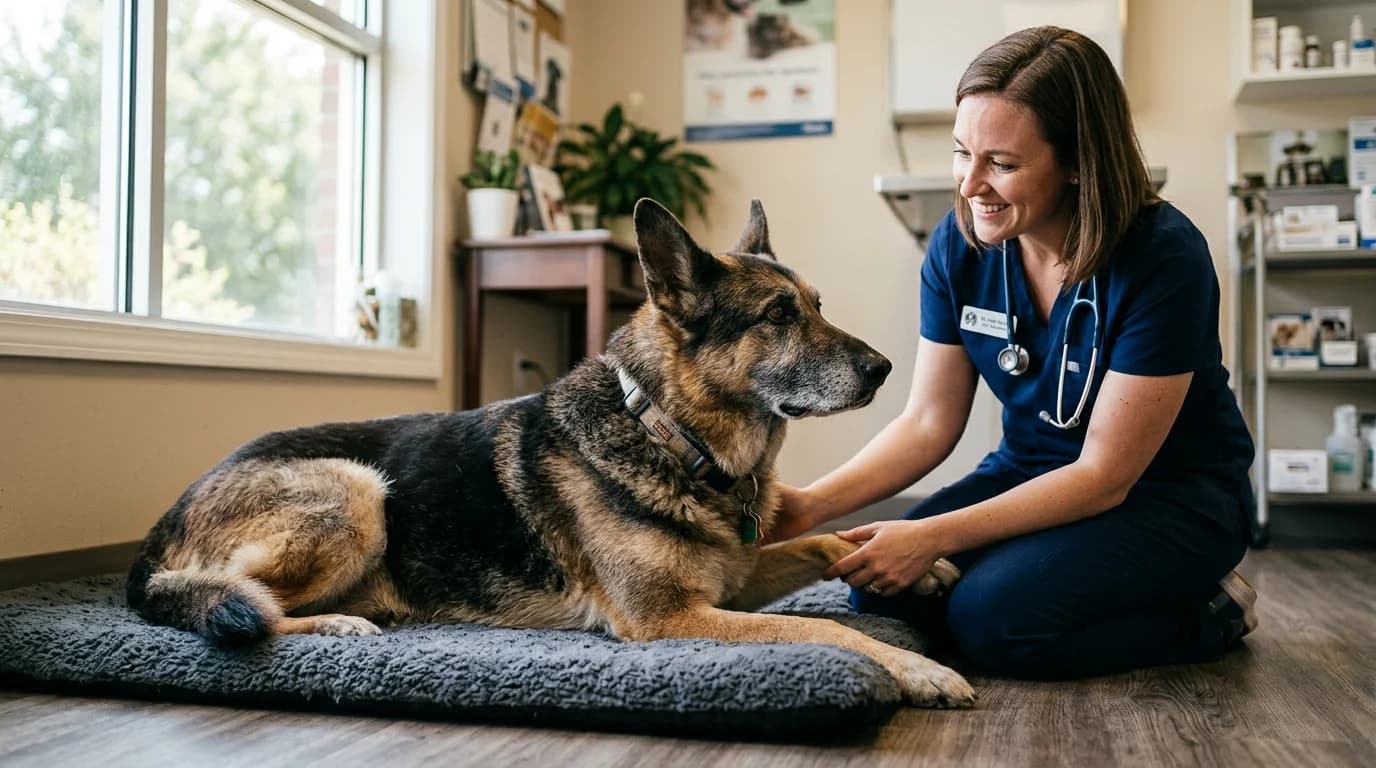
The German Shepherd Dog (Canis lupus familiaris / Deutscher Schäferhund) represents one of the most revered, intelligent, and versatile canine breeds in modern history. Originally developed by Captain Max von Stephanitz in late 19th-century Germany as the ultimate working shepherd, the breed has achieved global renown across police and military k-9 operations, search and rescue, guide and service disciplines, and millions of devoted family households.
Beneath their noble silhouette, dense double coat, and unwavering loyalty, however, lies an urgent biogerontological question that every conscientious pet parent and veterinary clinician confronts: How long do German Shepherds live, and what physiological, genetic, and biomechanical factors dictate their lifespan?
Large-scale epidemiological surveys across veterinary teaching hospitals, registry databases, and clinical insurance records establish that the median lifespan of the German Shepherd Dog ranges between 9 and 13 years, with international population studies consistently converging at a median survival of 10.3 years.
Unlike toy breeds that frequently reach 15 or 16 years, German Shepherds face the biological penalties of large-breed somatic acceleration—elevated juvenile basal metabolic rates, rapid skeletal expansion, and early cellular senescence—compounded by breed-specific vulnerabilities: Degenerative Myelopathy (SOD1 mutation), coxofemoral hip dysplasia, Gastric Dilatation-Volvulus (GDV / Bloat), and splenic hemangiosarcoma.
Yet median lifespan is not destiny. Groundbreaking veterinary research—including canine neurogenetics, prospective spay/neuter timing trials at UC Davis, prophylactic laparoscopic gastropexy, and lifelong caloric restriction studies—demonstrates that proactive, evidence-based clinical husbandry can extend a German Shepherd's healthy, vital years well past 13 or 14.
This comprehensive veterinary clinical guide evaluates the epidemiological benchmarks of German Shepherd longevity, analyzes the cellular and genetic mechanisms driving breed-specific disease, and details an actionable medical roadmap to maximize your companion's healthspan.
To determine your dog's exact biological age milestone, explore our specialized German Shepherd Age Calculator or compare physiological aging curves using our universal Dog Age Chart.
Epidemiological Baseline: How Long Do German Shepherds Live?
Demographic investigations across multiple veterinary epidemiological registries demonstrate reproducible patterns in German Shepherd survival, while highlighting critical variations between working and conformation bloodlines.
                    MEDIAN LIFESPAN BY COHORT & REGISTRY
+------------------------------------+------------------+-------------------+
| Registry / Cohort Database         | Sample Size (n)  | Median Lifespan   |
+------------------------------------+------------------+-------------------+
| VetCompass UK (Royal Vet College)  | 12,149 dogs      | 10.3 Years        |
| Swedish Agria Pet Insurance        | 15,000+ dogs     | 10.5 Years        |
| University of Sydney (Australia)   | 4,200 dogs       | 10.1 Years        |
| VMDB North America (Teaching Hosps)| 24,000+ records  | 9.8 – 10.4 Years  |
| Working K-9 Field Service Cohorts  | Selected groups  | 11.2 – 12.0 Years |
| Documented Genetic Outliers        | Verified cases   | 15 – 17+ Years    |
+------------------------------------+------------------+-------------------+
1. Large-Breed Biological Scaling: The Somatic Growth Paradox
German Shepherds typically weigh between 50 and 90 pounds (22 to 41 kg), firmly situating them in the large-breed category. Comparative mammalian biology reveals an evolutionary paradox: while larger species generally outlive smaller species (e.g., elephants outlive mice), within the domestic canine species, the exact opposite occurs.
- Accelerated Cellular Turnover: Large dogs grow from birth weights of roughly 1 pound (0.45 kg) to adult masses exceeding 75 pounds (34 kg) within 12 to 14 months—a phenomenal somatic scaling velocity.
- IGF-1 Concentration: Elevated basal concentrations of Insulin-Like Growth Factor 1 (IGF-1) drive this rapid juvenile tissue proliferation. However, sustained high IGF-1 signaling accelerates adult telomeric attrition, free-radical generation, and neoplastic transformation.
- The "One Month per Two Kilograms" Rule: Across domestic canines, each additional 4.4 pounds (2 kg) of adult body mass reduces median life expectancy by approximately one month.
To explore the cellular bioenergetics governing size-related senescence, read our in-depth analysis on Why Small Dogs Live Longer Than Large Dogs.
2. Working Lines vs. Conformation Show Lines
A notable dichotomy in German Shepherd longevity stems from divergent breeding selection over the past sixty years:
- Working Lines (Leistungszucht - DDR / Czech / West German Working): Selected strictly for working drive, nerve strength, structural durability, and physical agility. These bloodlines maintain a straighter dorsal topline, moderate angulation in the pelvic limbs, robust bone density, and a lower statistical incidence of severe conformational osteoarthritis. Studies suggest working lineages often experience a 6-to-18-month survival advantage over heavily angulated show cohorts.
- Conformation Show Lines (Hochzucht - American & West German Show): Selected heavily for aesthetic movement, distinctive angulation, and sloping croup (often termed "roach back" or extreme kyphosis). Excessive hindquarter angulation shifts biomechanical load to the lumbosacral junction and calcaneus, predisposing dogs to early-onset lumbosacral disc degeneration, chronic joint instability, and restricted late-life mobility.
                           CONFORMATION COMPARISON
     Working Line (Functional Posture)       Show Line (Extreme Angulation)
             ___                                     ___
       /\_/\(   )                              /\_/\(   )
      ( o.o )___)                             ( o.o )___)
       (   )-----\   <- Straight Topline       (   )-----\   <- Sloping Roach Back
       / / \ \  \ \                            / / \ \    \
      /_/  /_/  /_/                           /_/  /_/     \ \  <- Over-Angulated Hocks
Master German Shepherd Age Conversion Chart (Years 1 to 15)
The archaic adage that "one dog year equals seven human years" fails drastically for large breeds. A German Shepherd matures rapidly during juvenile development, reaches full structural and behavioral adulthood by 24 months, and then undergoes accelerated somatic senescence:
$$\text{Adult Human Equivalent Age (Large Breed)} = 24 + \Big((\text{Chronological Age} - 2) \times 6.5\Big)$$
The table below delineates the chronological progression of a German Shepherd against physiological status, human age equivalents, and mandatory veterinary clinical interventions:
| Chronological Age | Human Equivalent | Life Stage Classification | Physiological & Clinical Status | Mandatory Veterinary Diagnostics & Protocols |
|---|---|---|---|---|
| 6 Months | 10 | Pediatric / Juvenile | Rapid growth plate elongation; eruption of 42 permanent teeth; pubertal hormones active. | PennHIP distraction index evaluation; pre-gonadectomy planning; juvenile dental exam. |
| 1 Year | 15 | Young Adult | Skeletal elongation complete; muscular mass consolidating; immune maturity. | Baseline chemistry & CBC; core vaccine boosters; fecal flotation & heartworm antigen test. |
| 2 Years | 24 | Mature Adult | Epiphyseal growth plates fully closed; behavioral temperament established; peak athletic capacity. | Official OFA radiographic evaluation for hips & elbows; baseline SOD1 DNA swab for Degenerative Myelopathy. |
| 3 Years | 31 | Mature Adult | Optimal physical endurance; subtle early dental calculus; high metabolic efficiency. | Annual comprehensive wellness exam; body condition score (BCS) audit; periodontal evaluation. |
| 4 Years | 37 | Mature Adult | Peak prime; subclinical joint micro-wear begins in active working or agility dogs. | Routine blood chemistry; cardiac auscultation; monitor digestive stability (rule out subclinical EPI). |
| 5 Years | 44 | Mature Adult | Basal metabolic rate begins gradual decline; early lumbosacral tension may emerge. | Baseline orthopedic mobility screening; Doppler blood pressure; preventive weight-management audit. |
| 6 Years | 50 | Mature Adult | Transition point; cellular methylation accelerates; subclinical disc and joint remodeling. | Comprehensive senior blood baseline (CBC, Chem 17, SDMA, Urinalysis); resting ECG if murmur detected. |
| 7 Years | 57 | Senior Entry | Formal transition to Senior life stage; elevated risk of splenic hemangiosarcoma and spinal spondylosis. | Transition to Bi-Annual (every 6 mo) Exams; routine abdominal ultrasonography; thoracic radiographs. |
| 8 Years | 63 | Senior | Sarcopenia (muscle mass loss) initiates; proprioceptive reflexes slow; early nuclear sclerosis. | Full neurological reflex assessment (paw knuckling test for DM); orthopedic pain scoring; serum SDMA renal assay. |
| 9 Years | 70 | Senior | High prevalence of coxofemoral osteoarthritis; elevated risk of gastric dilatation-volvulus (bloat). | Targeted mobility & multimodal pain management (NSAIDs, bedinvetmab); bi-annual blood chemistry; urine protein/creatinine. |
| 10 Years | 76 | Geriatric | Geriatric threshold; high risk of Degenerative Myelopathy clinical manifestation; sensory decline. | Comprehensive neurological mapping; abdominal ultrasound for vascular masses; orthopedic comfort optimization. |
| 11 Years | 83 | Geriatric | Exceptional survivor milestone; profound muscle atrophy over pelvic girdle; fragile homeostatic reserve. | Frequent non-stress wellness audits; specialized physical rehab/hydrotherapy; cognitive dysfunction assessment. |
| 12 Years | 89 | Geriatric | Advanced octogenarian equivalent; significant dependence on environmental adaptations. | Assistive mobility harnesses (Help 'Em Up); quality of life scoring (HHHHHMM scale); palliative comfort protocols. |
| 13 Years | 96 | Geriatric | Centenarian equivalent; rare longevity outlier requiring intensive supportive hospice medicine. | Palliative pain control; pressure-sore prevention; tailored hydration and kidney support. |
| 14+ Years | 102+ | Super-Centenarian | Extreme longevity anomaly; elite protective genetic architecture and meticulous lifelong care. | Dedicated comfort hospice care; end-of-life quality management. |
Primary Mortality Factors in German Shepherds
A critical analysis of 12,149 German Shepherd medical records published by the Royal Veterinary College (VetCompass) reveals the primary causes of death across the breed:
+-------------------------------------------------------------------------+
|             PRIMARY MORTALITY CAUSES IN GERMAN SHEPHERDS                |
+-------------------------------------------------------------------------+
                                     |
    +--------------------------------+--------------------------------+
    |                                |                                |
    v                                v                                v
+----------------------+   +----------------------+   +----------------------+
| MUSCULOSKELETAL &    |   | NEOPLASIA (CANCER)   |   | GASTROINTESTINAL &   |
| NEUROLOGICAL (~28%)  |   | (~23%)               |   | EMERGENCY (~18%)     |
| • Hip/Elbow OA       |   | • Hemangiosarcoma    |   | • Gastric Torsion    |
| • Degenerative       |   | • Osteosarcoma       |   |   (GDV / Bloat)      |
|   Myelopathy (DM)    |   | • Lymphoma           |   | • Exocrine           |
| • Lumbosacral        |   | • Soft Tissue        |   |   Pancreatic         |
|   Stenosis (DLSS)    |   |   Sarcoma            |   |   Insufficiency      |
+----------------------+   +----------------------+   +----------------------+
- Musculoskeletal & Orthopedic Disorders (16.3%): Severe osteoarthritis, hip dysplasia, and debilitating lumbosacral disease resulting in loss of independent mobility and subsequent humane euthanasia.
- Inability to Stand / Collapse (14.9%): A complex syndrome driven by end-stage Degenerative Myelopathy, spinal cord compression, and severe bilateral coxofemoral arthritis.
- Neoplasia / Cancer (13.5% to 23% in North American surveys): Predominantly splenic and cardiac hemangiosarcoma, followed by osteosarcoma (primary bone tumors of the distal radius or proximal humerus) and lymphoma.
- Gastric Dilatation-Volvulus (GDV / Bloat) (~15%): An acute, catastrophic surgical emergency disproportionately afflicting deep, narrow-chested canine breeds.
To explore the clinical mechanisms of osteoarthritis management in large breeds, review our guide to Large Breed Osteoarthritis Prevention & Care.
Degenerative Myelopathy (DM): The Silent Neurological Crisis
Of all pathologies afflicting the German Shepherd, Degenerative Myelopathy (DM) is arguably the most heartbreaking. Often described as the canine biological equivalent of human Amyotrophic Lateral Sclerosis (ALS / Lou Gehrig's Disease), DM is a chronic, progressive, fatal neurodegenerative disease that strips aging shepherds of their motor function.
                  PROGRESSION PATTERN OF DEGENERATIVE MYELOPATHY
  Thoracic Cord (T3-L3)            Lumbar & Pelvic Limbs           Ascending Systemic
+--------------------------+     +--------------------------+     +--------------------------+
| Early Demyelination      | --> | Paraparesis & Knuckling  | --> | Tetraplegia & Brainstem  |
| Asymmetric rear ataxia,  |     | Loss of hindlimb weight- |     | Loss of thoracic motor   |
| wearing of inner rear    |     | bearing, fecal & urinary |     | function, respiratory    |
| toenails. (Months 0–6)   |     | incontinence. (Mo 6–12)  |     | paralysis. (Mo 12–18+)   |
+--------------------------+     +--------------------------+     +--------------------------+
1. Genetic Etiology: The SOD1 Mutation
In 2009, a landmark genome-wide association study conducted by researchers at the University of Missouri and the Broad Institute (Awano et al.) discovered that canine DM is caused by a missense mutation in the Superoxide Dismutase 1 (SOD1) gene, specifically designated as c.118G>A (p.Glu40Lys).
- Superoxide Dismutase 1 Function: SOD1 encodes a major antioxidant enzyme responsible for destroying free superoxide radicals. The mutation causes misfolding and aggregation of cytotoxic SOD1 protein filaments inside motor neurons and oligodendrocytes.
- Autosomal Recessive with Incomplete Penetrance:
- Clear (N/N): Carries two normal alleles; practically zero risk of developing DM.
- Carrier (A/N): Carries one mutated allele; will not develop clinical disease, but passes the gene to 50% of offspring.
- At-Risk (A/A): Carries two copies of the mutant allele. These dogs are genetically predisposed to develop clinical DM, typically between 8 and 11 years of age. However, because penetrance is incomplete, not all homozygous A/A dogs manifest the clinical phenotype, pointing to the existence of secondary genetic modifier loci.
2. Clinical Phases of Disease Progression
- Phase 1 (Early - 0 to 6 Months): Begins insidiously. The owner notices asymmetric sway in the hindquarters, occasional tripping, or a faint "scuffing" sound on pavement. Physical exam reveals wearing down of the central dorsal toenails on the pelvic paws and delayed proprioceptive positioning (knuckling). Crucially, the dog feels zero pain.
- Phase 2 (Intermediate - 6 to 12 Months): Severe paraparesis develops. The dog crosses its hind legs while walking (ataxia), falls frequently, and struggles to rise from a lying position. Patellar and withdrawal reflexes become depressed. Urinary and fecal incontinence eventually manifests due to upper-motor-neuron bladder dysfunction.
- Phase 3 (Late - 12 to 18+ Months): The neurodegenerative cascade ascends cranially past the cervical spinal cord (C1-C5). Flaccid weakness reaches the thoracic limbs (tetraplegia), head control diminishes, and terminal respiratory muscle paralysis ensues without intervention.
3. Critical Differential Diagnosis: DM vs. IVDD vs. DLSS
A frequent clinical tragedy occurs when a dog with Degenerative Myelopathy is misdiagnosed with arthritis, or conversely, a dog with surgically treatable spinal compression is misdiagnosed with terminal DM.
                      NEUROLOGICAL DIFFERENTIAL DIAGNOSIS MATRIX
+--------------------------+---------------------+---------------------+---------------------+
| Clinical Diagnostic Sign | Degenerative        | Lumbosacral         | Intervertebral      |
|                          | Myelopathy (DM)     | Stenosis (DLSS)     | Disc Disease (IVDD) |
+--------------------------+---------------------+---------------------+---------------------+
| Pain on Palpation        | ABSENT (Completely  | SEVERE (Intense     | MODERATE TO SEVERE  |
|                          | non-painful)        | lumbosacral pain)   | (Spinal splinting)  |
| Onset Velocity           | Chronic, insidious  | Slow, progressive   | Acute to subacute   |
| Proprioception Deficits  | Severe & Early      | Moderate to Late    | Variable            |
| Primary Spinal Location  | T3 – L3 White Matter| L7 – S1 Foramina    | Thoracolumbar       |
| Definitive Diagnostics   | DNA test + Excl. MRI| MRI / CT of L7-S1   | Spinal MRI / CT     |
| Curative / Surg Treatment| None (Physiotherapy)| Dorsal Laminectomy  | Hemilaminectomy     |
+--------------------------+---------------------+---------------------+---------------------+
4. Evidence-Based Therapeutic Interventions
While no curative pharmacological agent currently halts SOD1 axonal necrosis, intensive veterinary physical rehabilitation yields astonishing clinical benefits.
A peer-reviewed trial published in the Journal of Veterinary Internal Medicine by Kathmann et al. (2006) examined German Shepherds afflicted with DM:
- Dogs receiving daily controlled physiotherapy and hydrotherapy maintained ambulatory status for a median of 255 days.
- In stark contrast, dogs receiving non-active or passive care lost the ability to walk within a median of 55 days.
Hydrotherapy (underwater treadmill), passive range-of-motion exercises, and supportive dual-handle harnesses (e.g., Help 'Em Up Harness) maintain pelvic muscle mass, prevent decubital ulcerations, and dramatically extend high-quality survival.
Canine Hip Dysplasia & Lumbosacral Stenosis: Preserving Mobility
Orthopedic disease represents the single largest contributor to premature euthanasia in German Shepherds. Preserving mobility is quite literally preserving life.
                 HIP DYSPLASIA DIAGNOSTIC & TIMELINE ROADMAP
   Age 16 Weeks             Age 6-10 Months          Age 24 Months          Age 7+ Years
+------------------+     +------------------+     +------------------+     +------------------+
| PennHIP DI Test  | --> | DPO / TPO Window | --> | Official OFA     | --> | Multimodal OA    |
| DI > 0.3 = Joint |     | Pre-OA pelvic    |     | Radiographic     |     | Bedinvetmab,     |
| Laxity Risk.     |     | osteotomy option |     | Certification    |     | NSAIDs, THR      |
+------------------+     +------------------+     +------------------+     +------------------+
1. Canine Hip Dysplasia (CHD): The Biomechanical Cascade
Canine Hip Dysplasia is a polygenic developmental disorder characterized by abnormal laxity of the coxofemoral joint during growth. The femoral head fails to fit snugly into the acetabulum, triggering micro-fractures of the cartilage, osteophyte formation, and crippling osteoarthritis.
- PennHIP vs. OFA: While standard Orthopedic Foundation for Animals (OFA) radiographs evaluate hip congruity at 24 months, the PennHIP method evaluates passive joint laxity via a calculated Distraction Index (DI) as early as 16 weeks of age. A DI greater than 0.3 indicates significant joint laxity and future osteoarthritis risk.
- Early Surgical Interventions:
- Juvenile Pubic Symphysiodesis (JPS): Performed between 12 and 18 weeks of age in puppies diagnosed with high laxity. JPS electrocauterizes the pubic growth plate, rotating the acetabular rims ventrolaterally to cover the femoral heads as the pelvis grows.
- Double Pelvic Osteotomy (DPO): Performed in juvenile dogs (6–10 months) before radiographic osteoarthritis develops.
- Total Hip Replacement (THR): The surgical gold standard for mature dogs suffering from refractory, severe coxofemoral OA, restoring near-normal pain-free biomechanics.
2. Degenerative Lumbosacral Stenosis (DLSS / Cauda Equina Syndrome)
Due to excessive conformational angulation, German Shepherds possess an overwhelming predisposition to Degenerative Lumbosacral Stenosis (DLSS).
- Pathophysiology: Chronic biomechanical stress causes hypertrophy of the interarcuate ligament and dorsal protrusion of the L7-S1 intervertebral disc, compressing the spinal nerves of the cauda equina.
- Clinical Symptoms: Intense pain upon hyperextension of the hips or direct pressure over the lumbosacral junction, reluctance to jump into vehicles, "low tail carriage" (inability to wag or elevate the tail), and pelvic limb weakness.
- Management: Advanced spinal MRI or CT imaging, targeted epidural methylprednisolone injections, or surgical decompressive dorsal laminectomy.
Gastric Dilatation-Volvulus (GDV / Bloat): The Acute Killer
Gastric Dilatation-Volvulus represents one of the most critical, time-sensitive emergencies in veterinary medicine. Without emergency surgical decompression, mortality approaches 100%; even with intensive tertiary care, surgical mortality ranges from 15% to 30%.
                             GDV PATHOPHYSIOLOGY CASCADE
   Deep Thoracic Anatomy           Gastric Torsion (180°-360°)         Cardiovascular Collapse
+--------------------------+     +--------------------------+     +--------------------------+
| Thoracic Depth/Width     | --> | Venous Return Occluded   | --> | Systemic Shock           |
| Ratio > 1.4 creates      |     | Cava & portal vein com-  |     | Myocardial ischemia,     |
| pendulous stomach risk   |     | pressed; splenic torsion |     | VPC arrhythmias, death   |
+--------------------------+     +--------------------------+     +--------------------------+
1. Why German Shepherds Face Disproportionate Risk
In prospective epidemiological trials conducted by the Purdue University School of Veterinary Medicine (Glickman et al.), the German Shepherd ranked consistently among the top five breeds at highest risk for GDV. The lifetime risk of a German Shepherd developing GDV is estimated at roughly 20% to 22%.
The primary anatomical determinant is the thoracic depth-to-width ratio. German Shepherds possess a remarkably deep, narrow ribcage. This geometry suspends the stomach in a pendulous axis with elongated hepatogastric ligaments, allowing the organ to easily rotate 180° to 360° clockwise along its mesenteric axis when distended with gas or fluid.
2. The Lifesaving Power of Prophylactic Gastropexy
The definitive veterinary preventive intervention is Prophylactic Gastropexy:
- Mechanism: The seromuscular layer of the gastric pyloric antrum is surgically anchored to the right transversus abdominis muscle of the internal abdominal wall. This creates a permanent fibrous adhesion, preventing the stomach from ever twisting.
- Efficacy: A prophylactic gastropexy reduces the lifetime risk of GDV-associated mortality in large-breed dogs by over 90%.
- Minimally Invasive Execution: This procedure can be performed via laparoscopy with two tiny 5–10 mm incisions, ideally performed simultaneously during routine spay or neuter surgery at skeletal maturity.
                      EVIDENCE-BASED BLOAT RISK FACTORS (PURDUE STUDY)
+------------------------------------+------------------------------------+
| Factors that INCREASE GDV Risk     | Factors that DECREASE GDV Risk     |
+------------------------------------+------------------------------------+
| • Feeding from elevated food bowls | • Feeding twice or thrice daily    |
| • Feeding a single large meal/day  | • Prophylactic Gastropexy surgery  |
| • Vigorous exercise post-prandial  | • Adding canned food/meat to kibble|
| • High-strung, nervous temperament | • Slow-feeder enrichment bowls     |
| • First-degree relative with GDV   | • Resting 60 min after eating      |
+------------------------------------+------------------------------------+
Exocrine Pancreatic Insufficiency (EPI): The Starvation Paradox
German Shepherds represent over 50% of all worldwide veterinary diagnoses of Exocrine Pancreatic Insufficiency (EPI).
1. Pathogenesis: Pancreatic Acinar Atrophy (PAA)
In German Shepherds, EPI is almost exclusively caused by Pancreatic Acinar Atrophy (PAA)—an immune-mediated destruction of pancreatic acinar cells. By the time clinical signs emerge, over 90% of digestive enzyme production (lipase, amylase, trypsin) has ceased.
                          EPI BIOCHEMICAL MECHANISM
Healthy Pancreas ----------> Secretes Enzymes ----------> Normal Nutrient Assimilation
Pancreatic Acinar Atrophy -> Zero Enzyme Production ----> Severe Malabsorption & Starvation
2. Clinical Hallmarks
- Polyphagic Starvation: The dog exhibits ravenous, frantic hunger (polyphagia), often eating foreign materials (pica or coprophagia), yet experiences rapid, extreme muscle wasting and weight loss.
- "Cow-Patty" Steatorrhea: Stools become voluminous, yellow-gray, unformed, greasy, and emit a distinct rancid odor due to unhydrolyzed lipids.
- Secondary SIBO & Cobalamin Depletion: Undigested food fermenting in the intestinal lumen fuels Small Intestinal Bacterial Overgrowth (SIBO / dysbiosis) and prevents absorption of Vitamin B12 (cobalamin).
3. Definitive Diagnostics & Lifelong Management
- Canine Trypsin-Like Immunoreactivity (cTLI): Fasting serum cTLI concentrations below 2.5 µg/L are pathognomonic for EPI (normal range: 5.7 to 24.7 µg/L).
- Enzyme Replacement Therapy: The dog must receive powdered porcine pancreatic enzymes (e.g., Pancreplus, Viokase) thoroughly mixed with every meal for life.
- Subcutaneous Cobalamin Injections: Weekly parenteral cyanocobalamin injections to restore cellular folate/B12 balance and normalize mucosal architecture. With proper enzyme therapy, EPI dogs enjoy a normal, full lifespan!
The Spay & Neuter Timing Trial: UC Davis 35-Breed Study
For decades, standard veterinary practice in the United States recommended gonadectomy (spaying or neutering) at approximately six months of age. However, comprehensive genomic and endocrine research has completely overhauled this paradigm for large breeds.
                    JOINT DISORDER INCIDENCE IN GERMAN SHEPHERDS
                     (UC Davis 35-Breed Study - Benjamin Hart et al.)
  Incidence
    (%)
    25% |                                   *** [21% in Early-Neutered Males]
    20% |                                   *
    15% |                                   *   *** [16% in Early-Spayed Females]
    10% |   *** [7% Intact Males]           *   *
     5% |   *                               *   *   *** [5% Intact Females]
     0% +---+-------------------------------+---+---+----------------------->
          Intact Dogs                     Neutered < 12 Months
1. The Endocrine Connection to Growth Plates
Sex steroids (testosterone and estradiol) are required to signal the closure of physeal growth plates in canine long bones (femur, tibia, humerus, radius).
- When a puppy is sterilized before hormonal puberty, gonadal estrogen and testosterone are eliminated.
- Long bones continue elongating past their genetically destined length.
- This delayed physeal closure disrupts joint angles, alters biomechanical lever arms, and dramatically destabilizes the stifle (knee) and coxofemoral joints.
2. Findings of the UC Davis Study (Hart et al., 2020)
In a rigorous retrospective analysis of 1,170 German Shepherds over a 15-year period at the UC Davis Veterinary Medical Teaching Hospital:
- In Intact Males: The baseline incidence of joint disorders (hip dysplasia, cranial cruciate ligament tear, elbow dysplasia) was 7%.
- In Early-Neutered Males (<12 Months): The incidence of joint disorders skyrocketed to 21%—a threefold increase.
- In Cranial Cruciate Ligament (CCL) Tears: Early gonadectomy was directly correlated with a massive rise in CCL rupture, a primary trigger for debilitating late-life arthritis.
3. Evidence-Based Veterinary Recommendation
For German Shepherds, board-certified orthopedic surgeons and veterinary biogerontologists recommend delaying surgical gonadectomy until after complete skeletal growth plate closure:
- Males: Delay castration until 18 to 24 months of age.
- Females: Delay ovariohysterectomy until after the first or second estrus cycle (typically 12 to 18 months), balancing joint preservation against lifetime mammary neoplasia risk.
- Hormone-Sparing Sterilization: Alternatively, consider hormone-sparing procedures such as vasectomy in males or ovary-sparing spay (hysterectomy) in females.
Metabolic Longevity: The Purina Lifelong Study & Caloric Restriction
Perhaps the single most powerful, peer-reviewed intervention within an owner's direct control is body condition scoring and caloric intake regulation.
             PURINA 14-YEAR LIFELONG STUDY: SURVIVAL CURVE SUMMARY
  Percent
  Survival
   100% |---------\
    80% |          \              Control Group (Fed Ad Libitum / Overweight)
    60% |           \-----\       Median Survival = 11.2 Years
    40% |            \     \-----\
    20% |             \           \---------\  Restricted Group (BCS 4-5 / Lean)
     0% +--------------+-----------+---------+--\---------------------------->
        8              10          11.2      12  13.0 Years (Added +1.8 Years!)
1. The Landmark 14-Year Caloric Restriction Trial
Published in the Journal of the American Veterinary Medical Association (JAVMA) by Kealy et al. (2002), the Purina Lifelong Study tracked 48 paired dogs across their entire natural lifetimes:
- The Lean Restricted Group: Fed 25% fewer calories, maintaining a lean Body Condition Score (BCS) of 4 to 5 out of 9 (visible abdominal tuck, ribs easily felt under a light blanket of muscle).
- The Control Group: Allowed free access to food, developing an overweight BCS of 6 to 7 out of 9.
- The Astounding Outcome:
- The lean dogs experienced a median lifespan extension of 1.8 years (13.0 years vs. 11.2 years)—equivalent to nearly a decade of human life!
- Clinical osteoarthritis required medical treatment three years later in the lean cohort.
- Systemic blood pressure, triglycerides, and chronic circulating inflammatory markers (TNF-alpha, IL-6) were significantly suppressed.
2. Combating Sarcopenia vs. Adiposity in Aging Shepherds
As German Shepherds enter their senior years (ages 7 to 10+), their metabolic efficiency alters:
- Fat Mass Accumulation: Basal metabolic rates decrease by 15% to 20%, predisposing inactive senior shepherds to creeping adiposity. Adipose tissue functions as an active endocrine organ, pumping out pro-inflammatory adipokines that exacerbate joint degradation.
- Sarcopenic Muscle Atrophy: Simultaneously, senior dogs suffer from age-related loss of skeletal muscle mass (sarcopenia).
- The Dietary Formula: Senior German Shepherds do not need low-protein diets unless suffering from end-stage IRIS Stage 4 chronic kidney disease. Rather, they thrive on moderately high protein (28% to 34% dry matter) of exceptional biological value (chicken, salmon, egg), low caloric density, high moisture, and targeted supplementation with marine omega-3 fatty acids (EPA/DHA) to safeguard spinal and limb musculature.
For actionable nutritional guidelines, consult our detailed breakdown on Diet & Exercise for Older Dogs.
Comprehensive Life-Stage Veterinary Preventive Protocol
Maximizing a German Shepherd's lifespan requires transitioning from reactive medicine (treating disease after symptoms emerge) to proactive, biomarker-guided preventive medicine.
                           LIFETIME SHEPHERD WELLNESS ROADMAP
+---------------------------------------------------------------------------------------------------+
| Life Stage          | Visit Frequency   | Diagnostic Screenings & Clinical Interventions          |
+---------------------+-------------------+---------------------------------------------------------+
| Puppy (0–12 Mo)     | Every 3–4 Weeks   | • Core vaccines (DHPP, Rabies); Leptospirosis.          |
|                     | (up to 16 wks)    | • PennHIP joint laxity distraction evaluation at 16 wks.|
|                     |                   | • *SOD1* genetic swab for Degenerative Myelopathy.      |
|                     |                   | • Prophylactic gastropexy planning at skeletal maturity.|
+---------------------+-------------------+---------------------------------------------------------+
| Adult (1–6 Yr)      | Annual (Every 12 Mo)| • Physical examination, orthopedic palpation, dental.  |
|                     |                   | • Delayed gonadectomy window (18–24 months).           |
|                     |                   | • Baseline Chem/CBC, heartworm, tick vector PCR panel.  |
|                     |                   | • Caloric regulation maintaining ideal BCS 4–5/9.       |
+---------------------+-------------------+---------------------------------------------------------+
| Senior (7–9 Yr)     | Semi-Annual       | • Bi-annual physical with comprehensive neuro exam.     |
|                     | (Every 6 Months)  | • Complete CBC, Chemistry 17, SDMA, and Urinalysis.     |
|                     |                   | • Routine abdominal ultrasound (screening for splenic   |
|                     |                   |   hemangiosarcoma masses before acute rupture).         |
|                     |                   | • Orthopedic spine/hip radiographs; initiate joint DMOADs.|
+---------------------+-------------------+---------------------------------------------------------+
| Geriatric (10+ Yr)  | Every 3–4 Months  | • Serial neurological mapping (monitoring DM vs DLSS).  |
|                     |                   | • Multimodal pain protocols (Bedinvetmab / Librela).    |
|                     |                   | • Underwater treadmill hydrotherapy & physiotherapy.    |
|                     |                   | • Environmental adaptations (traction runners, ramps).  |
+---------------------------------------------------------------------------------------------------+
Innovative Therapeutic Modalities for Aging Shepherds
- Anti-NGF Monoclonal Antibodies (Bedinvetmab / Librela): Monthly subcutaneous injections that bind Nerve Growth Factor (NGF), blocking transmission of chronic osteoarthritis pain without gastrointestinal or renal toxicities associated with traditional NSAIDs.
- Polysulfated Glycosaminoglycans (Adequan Canine): Disease-Modifying Osteoarthritis Drugs (DMOADs) that inhibit destructive cartilage enzymes (metalloproteinases) and stimulate synovial hyaluronic acid synthesis.
- Advanced Hydrotherapy: Underwater treadmill sessions reduce gravitational joint load while building spinal paraspinal and gluteal musculature, preserving independent ambulation well into geriatric years.
For additional longevity protocols, explore our clinical guide on How to Help a Senior Dog Live Longer.
Frequently Asked Questions
What is the average lifespan of a German Shepherd?
The median lifespan of a German Shepherd Dog is 10.3 years, with an average normal range spanning 9 to 13 years. Working bloodlines, dogs maintained in lean body condition, and dogs receiving proactive preventative veterinary care frequently reach 13 to 15 years.
How old is a 7-year-old German Shepherd in human years?
A 7-year-old German Shepherd is approximately 57 human years old. Because large-breed dogs experience accelerated somatic aging compared to smaller breeds, a German Shepherd officially crosses the threshold into the Senior life stage at age 7 and should transition to bi-annual (every six months) veterinary wellness examinations.
Can a German Shepherd live to 14 or 15 years old?
Yes. While achieving 14 or 15 years represents a significant survival milestone for a large working dog, it is clinically achievable. Centenarian German Shepherds typically possess favorable genetics (e.g., clear SOD1 alleles, PennHIP laxity <0.3), have maintained a lean Body Condition Score (4/9) throughout life, received delayed spay/neuter after skeletal maturity, and had early intervention for joint or spinal degenerative conditions.
What is the most common cause of death in German Shepherds?
The most common causes of death are musculoskeletal and neurological failure (~28% combined, including end-stage hip dysplasia, lumbosacral disease, and Degenerative Myelopathy), followed by neoplasia / cancer (~20% to 23%, primarily splenic hemangiosarcoma and osteosarcoma), and Gastric Dilatation-Volvulus (bloat / GDV) (~15% to 20% lifetime risk without prophylactic gastropexy).
How do I know if my German Shepherd has Degenerative Myelopathy vs. Arthritis?
The cardinal clinical differentiator is pain:
- Degenerative Myelopathy (DM) is a completely non-painful neurological degeneration. The dog knuckles its rear paws, wobbles, and scuffs its toenails, but exhibits zero vocalization or discomfort when touched.
- Arthritis and Lumbosacral Disease (DLSS) are exquisitely painful. Dogs exhibit stiffness that improves after warming up, show muscle guarding, and flinch or cry out when their lower back or hips are extended.
- Definitive differentiation requires an OFA SOD1 DNA test and veterinary neurological MRI or CT imaging.
Should I get a prophylactic gastropexy for my German Shepherd?
Yes, highly recommended. Because German Shepherds have a deep, narrow thoracic conformation, their lifetime risk of developing fatal stomach torsion (bloat / GDV) exceeds 20%. A prophylactic gastropexy permanently anchors the stomach to the abdominal wall, virtually eliminating the risk of gastric rotation. It can be performed minimally invasively via laparoscopy concurrently with spay or neuter surgery.
At what age should I neuter or spay my German Shepherd?
Under modern veterinary orthopedic consensus and the landmark UC Davis 35-Breed Study, German Shepherds should not be neutered or spayed at 6 months of age. Gonadectomy should be delayed until after complete growth plate closure—between 18 and 24 months of age for males, and after the first or second heat cycle (12 to 18 months) for females. Early sterilization triples the statistical risk of debilitating joint disorders and cruciate ligament tears.
References & Peer-Reviewed Scientific Literature
- O'Neill, D. G., Coulson, N. R., Church, D. B., & Brodbelt, D. C. (2017). Demography and disorders of the German Shepherd Dog under primary veterinary care in the UK. Canine Genetics and Epidemiology, 4(1), 7. doi: 10.1186/s40575-017-0046-4.
- Awano, T., Johnson, G. S., Wade, C. M., Katz, M. L., Johnson, G. C., Coates, J. R., et al. (2009). Genome-wide association analysis reveals a SOD1 mutation in canine degenerative myelopathy that resembles amyotrophic lateral sclerosis. Proceedings of the National Academy of Sciences (PNAS), 106(8), 2794–2799. doi: 10.1073/pnas.0812297106.
- Hart, B. L., Hart, L. A., Thigpen, A. P., & Willits, N. H. (2020). Assisting decision-making on age of neutering for 35 breeds of dogs: Associated joint disorders, cancers, and urinary incontinence. Frontiers in Veterinary Science, 7, 388. doi: 10.3389/fvets.2020.00388.
- Kathmann, I., Cizinauskas, S., Doherr, M. G., Steffen, F., & Jaggy, A. (2006). Daily controlled physiotherapy increases survival time in dogs with degenerative myelopathy. Journal of Veterinary Internal Medicine, 20(4), 927–932. doi: 10.1111/j.1939-1676.2006.tb01807.x.
- Kealy, R. D., Lawler, D. F., Ballam, J. M., Mantz, S. L., Biery, D. N., Greeley, E. H., et al. (2002). Effects of diet restriction on life span and age-related changes in dogs. Journal of the American Veterinary Medical Association (JAVMA), 220(9), 1315–1320. doi: 10.2460/javma.2002.220.1315.
- Glickman, L. T., Glickman, N. W., Schellenberg, D. B., Raghavan, M., & Lee, T. L. (2000). Incidence of and risk factors for gastric dilatation-volvulus in dogs. Journal of the American Veterinary Medical Association (JAVMA), 216(1), 40–45. doi: 10.2460/javma.2000.216.40.
- Smith, G. K., Paster, E. R., Powers, M. Y., Lawler, D. F., Biery, D. N., Shofer, F. S., et al. (2006). Lifelong diet restriction and radiographic evidence of osteoarthritis of the hip joint in dogs. Journal of the American Veterinary Medical Association (JAVMA), 229(5), 690–693. doi: 10.2460/javma.229.5.690.
- Westermarck, E., & Wiberg, M. (2012). Exocrine pancreatic insufficiency in the dog. Veterinary Clinics of North America: Small Animal Practice, 42(1), 167–180. doi: 10.1016/j.cvsm.2011.09.006.
- Worth, A. J., Thompson, D. J., & Hartman, A. C. (2009). Degenerative lumbosacral stenosis in working dogs: A review of current concepts and management. New Zealand Veterinary Journal, 57(6), 319–330. doi: 10.1080/00480169.2009.64722.
- Coates, J. R., & Wininger, F. A. (2010). Canine degenerative myelopathy. Veterinary Clinics of North America: Small Animal Practice, 40(5), 929–950. doi: 10.1016/j.cvsm.2010.05.001.
Veterinary Medical Disclaimer: This clinical article is provided exclusively for educational, informational, and biogerontological purposes and does not substitute for individualized professional veterinary examination, diagnosis, or treatment. Degenerative Myelopathy, Gastric Dilatation-Volvulus (GDV), and acute lumbosacral neuro-compression are serious medical conditions requiring direct veterinary attention. If your German Shepherd exhibits abdominal distension, sudden weakness, knuckling of paws, reluctance to stand, or vocalization of pain, consult a licensed emergency veterinary practitioner immediately.