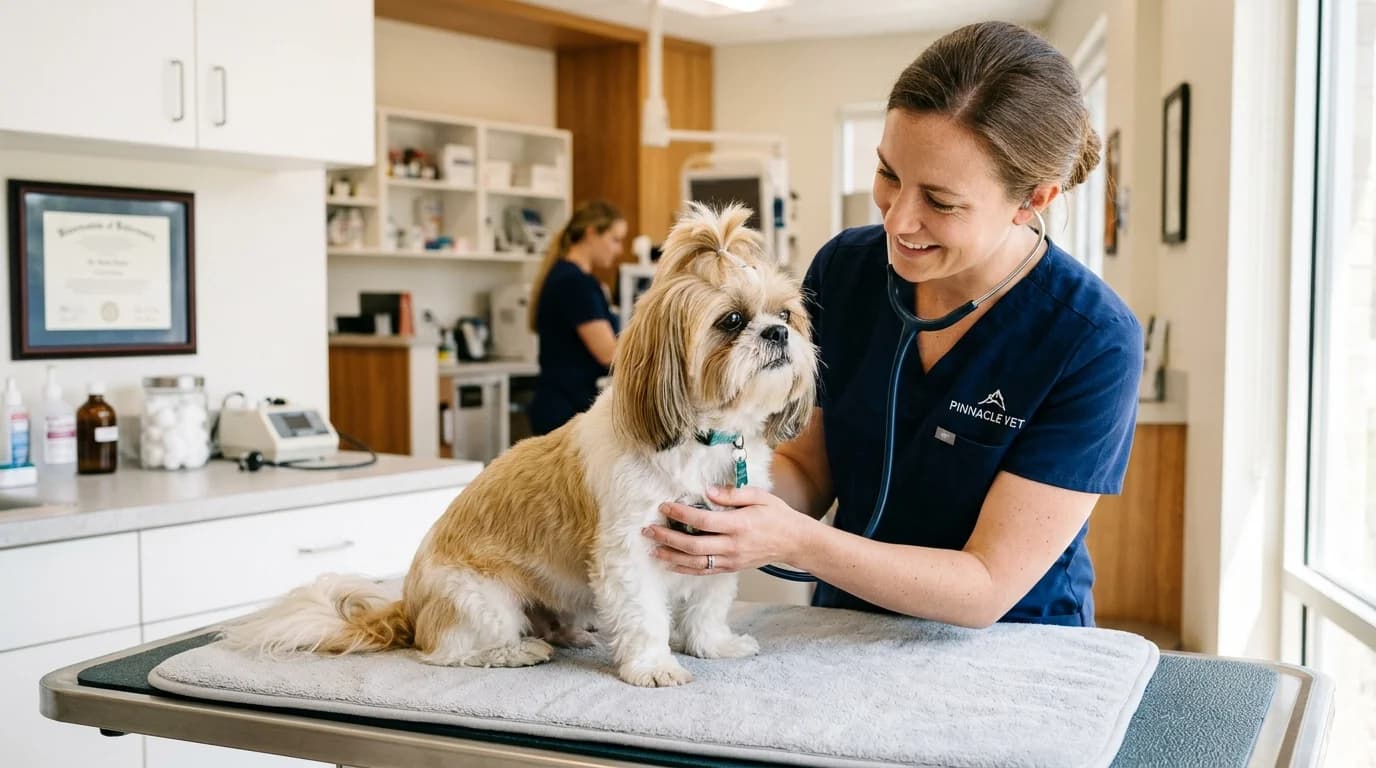
The Shih Tzu (Canis lupus familiaris, American Kennel Club Toy Group; Fédération Cynologique Internationale Group 9: Companion and Toy Dogs, Section 5: Tibetan Breeds) occupies an extraordinary nexus of ancient mammalian domestication, artificial morphological selection, and comparative veterinary biogerontology. Known historically as the Shih-tzu Kou ("Lion Dog") or the Chrysanthemum Dog, the breed traces its genetic foundations over a millennium into the high-altitude monasteries of Tibet. There, revered Buddhist monks bred small temple sentinels and cherished spiritual companions, periodically presenting them as tribute gifts to the imperial courts of the Chinese Ming and Qing Dynasties. Refined extensively within the Forbidden City under the patronage of Empress Dowager Cixi, the breed was bred specifically for docility, loyalty, and an iconic, lion-like appearance before surviving near-extinction during the mid-20th century through a narrow foundation gene pool of fourteen ancestral canines.
Anatomically, the modern Shih Tzu is a sturdy, compact, low-slung toy canine characterized by a distinctive rectangular silhouette that is slightly longer between the withers and root of the tail than tall:
- Adult Somatic Mass: Typically spans 9 to 16 pounds ($4.08\text{ to }7.26\text{ kg}$), with show standards emphasizing solid bone density and substance without obesity.
- Withers Height: Ranging between 9 and 10.5 inches ($22.9\text{ to }26.7\text{ cm}$).
- Signature Craniofacial and Pelage Architecture: A classic brachycephalic facial structure featuring a short, straight muzzle ($\sim 1\text{ inch}$ in length), prominent forward-facing globes set within shallow bony orbits, an undershot bite (mandibular prognathism), and a luxurious, non-shedding, dense double coat with hair that grows upwards on the nasal bridge, creating the characteristic "chrysanthemum" facial pattern.
Beyond their affectionate lap-companion demeanor, Shih Tzus represent one of the longest-lived demographic cohorts in the entire canine kingdom:
- The Toy Breed Longevity Privilege: Exhibiting an average adult somatic mass well under 16 pounds, the Shih Tzu completely bypasses the explosive juvenile growth velocity, rapid cellular senescence, and early oncological disasters (such as osteosarcoma and hemangiosarcoma) that truncate giant breeds like Great Danes and Mastiffs to 7–9 years.
- The High-Longevity / Multi-Organ Morbidity Paradox: While the median life expectancy of the Shih Tzu consistently charts at 13.0 to 15.5 years—with clinical outliers frequently thriving into 16, 17, 18, and even 19+ years—their extreme craniofacial brachycephaly and chondrodysplastic axial skeleton impose profound structural, respiratory, ophthalmic, and orthopedic liabilities.
Maximizing the upper biological lifespan boundary of a Shih Tzu requires proactive, evidence-based management of five primary breed-specific vulnerabilities:
- Brachycephalic Obstructive Airway Syndrome (BOAS): Chronic upper airway stenosis (stenotic nares, elongated soft palate, hypoplastic trachea, and everted laryngeal saccules) generating negative inspiratory pressure, secondary bronchial collapse, gastroesophageal reflux, and acute susceptibility to lethal hyperthermia.
- Brachycephalic Ocular Syndrome (BOS) & Corneal Vulnerability: Macroblepharon, lagophthalmos, shallow orbital anatomy predisposing to traumatic proptosis, exposure keratopathy, tear film dysfunction, Keratoconjunctivitis Sicca (KCS / dry eye), and indolent or deep melting corneal ulcers.
- Chondrodysplastic Intervertebral Disc Disease (IVDD): Genetic insertion of the FGF4 retrogene driving early chondroid metaplasia and calcification of the nucleus pulposus, precipitating acute Hansen Type I disc extrusions, neurogenic paralysis, and loss of ambulation.
- Severe Periodontal Disease & Systemic Bacteremic Seeding: Severe dental crowding in a foreshortened maxilla causing accelerated plaque mineralization, subgingival anaerobic bacteremia (Porphyromonas gulae), alveolar bone lysis, and hematogenous seeding of cardiac valves and renal glomeruli.
- Metabolic, Renal & Cardiovascular Senescence: Canine juvenile renal dysplasia (JRD), geriatric chronic kidney disease (CKD), Myxomatous Mitral Valve Disease (MMVD), systemic arterial hypertension, and Canine Cognitive Dysfunction (CCD).
To determine your Shih Tzu's exact biological life stage and translate their chronological age into human years based on validated multi-breed veterinary models, utilize our interactive Dog Age Calculator or examine comparative size trajectories via our Dog Age Chart.
Epidemiological Baseline: How Long Do Shih Tzus Live?
Large-scale longitudinal veterinary electronic health record (EHR) registries, academic veterinary teaching hospitals, and national canine mortality cohorts worldwide classify the Shih Tzu in the highest longevity quartile of domestic dogs.
                      SHIH TZU LIFESPAN BY COHORT & REGISTRY
+------------------------------------+------------------+-------------------+-----------------------------------------+
| Registry / Cohort Database         | Sample Size (n)  | Reported Median   | Epidemiological Context / Methodology   |
+------------------------------------+------------------+-------------------+-----------------------------------------+
| VetCompass UK (Royal Vet College)  | 9,840+ dogs      | 13.2 – 14.5 Years | Primary-care electronic veterinary EHR  |
| North American VMDB (Univ Hosps)   | 12,200+ records  | 13.6 – 15.0 Years | Tertiary academic referral hospitals    |
| Japanese Animal Hospital Cohort    | 7,400+ dogs      | 14.5 – 15.8 Years | Predominantly indoor, proactive wellness|
| Swedish Agria Pet Insurance Cohort | 5,100+ dog-years | 13.4 – 14.4 Years | Insured Scandinavian veterinary cohort  |
| UK Kennel Club Mortality Census    | 560 deaths       | 13.2 – 14.1 Years | Owner-reported pedigree mortality survey|
| Proactive Clinical Wellness Cohort | Clinical Cohort  | 15.2 – 17.5 Years | Lean BCS, BOAS repair, annual dentistry |
+------------------------------------+------------------+-------------------+-----------------------------------------+
                       SHIH TZU SURVIVAL CURVE (KAPLAN-MEIER)
   Survival
   Probability (%)
     ▲
 100 │═════════════════════════════════════════════════╗
  80 │                                                 ╚══════════╗
  60 │                                                            ╚══════════╗
  50 │- - - - - - - - - - - - - - - - - - - - - - - - - - - - - - - - - - - -╚════ (Median: 13.4–15.0 yrs)
  40 │                                                                            ╚══════════╗
  20 │                                                                                       ╚═════════╗
   0 │─────────────────────────────────────────────────────────────────────────────────────────╚════►
     0         2         4         6         8        10        12        14        16        18        20
                               Chronological Age (Years)
1. Demographic Mortality Kinetics
Unlike giant breeds that show an early Gompertzian mortality surge beginning as early as age 6, Shih Tzus maintain a low, flat mortality curve throughout their first decade:
                         SHIH TZU MORTALITY DYNAMICS
  Mortality
    Risk
     ▲
     │                                                   * (Geriatric MMVD, Renal Failure, BOAS)
     │                                                  ***
     │                                                 *****
     │  * (Juvenile Hazards: JRD, Trauma, BOAS Stridor) ******
     │  *                                            *********
     │   ********************************************         *
     └─────────────────────────────────────────────────────────────►
     0       1        2        4        8        12       16      20
                                  Age in Years
- The Early Stability Phase (Ages 0 to 2 Years): Outside of congenital juvenile renal dysplasia (JRD), severe juvenile BOAS respiratory compromise, or accidental blunt ocular/skeletal trauma, mortality rates in young Shih Tzus are exceptionally low.
- The Extended Adult Vitality Plateau (Ages 3 to 11 Years): Shih Tzus experience a remarkably sustained adult plateau. Malignant sarcomas and carcinomas are relatively rare compared to sporting and working breeds. However, chronic insidious conditions (IVDD Hansen Type I, subgingival periodontal bone resorption, dry eye, and early mitral valve endocardiosis) begin their pathological trajectory during this window.
- The Geriatric Acceleration Phase (Ages 12 to 18+ Years): Mortality in dogs aged 12+ is overwhelmingly non-oncological. Primary clinical terminal events involve end-stage congestive heart failure secondary to Myxomatous Mitral Valve Disease (MMVD), chronic kidney disease (CKD) with uremic toxicity, acute respiratory decompensation due to chronic upper/lower airway remodeling, or intractable mobility loss.
2. Sex-Specific Longevity Disparities
Epidemiological veterinary surveillance indicates a small but statistically significant divergence in median longevity between male and female Shih Tzus:
- Female Shih Tzu Median Lifespan: 13.8 to 15.4 years
- Male Shih Tzu Median Lifespan: 13.0 to 14.6 years
Underlying clinical and biological factors contributing to this sex divergence include:
- Sexual Dimorphism & Somatosensory Mass: Male Shih Tzus consistently exhibit higher somatic mass (averaging 10%–15% heavier bone density and muscle mass), slightly elevating metabolic load and cumulative cellular turnover.
- Urethral Anatomy & Obstructive Calculi: Male Shih Tzus possess an elongated, narrow urethra with an os penis. When metabolic or dietary imbalances promote calcium oxalate or struvite urolithiasis, males face acute, life-threatening urethral obstructions requiring emergency intervention.
- Neutering and Endocrine Protection: Spayed females demonstrate near-zero risk of pyometra and substantially suppressed mammary carcinoma incidence when spayed prior to subsequent estrus cycles, contributing to enhanced post-reproductive survival.
To understand how body mass, metabolic rate, and endocrine pathways govern mammalian longevity across canine sizes, explore our detailed analysis on Why Small Dogs Live Longer Than Large Dogs.
Toy Breed Biogerontology: Cellular Mechanics of Shih Tzu Longevity
The physiological capacity of a 12-pound Shih Tzu to live twice as long as an 80-pound Boxer represents one of the foundational questions in modern mammalian geroscience. Across divergent mammalian taxa, larger species outlive smaller species (whales outlive mice). Yet, within Canis lupus familiaris, somatic mass scales inversely with life expectancy: every 2 kg (4.4 lbs) increase in adult dog weight reduces life expectancy by approximately 1 month.
                   INVERSE BODY MASS VS. LIFESPAN SCALING
   Lifespan (Years)
        ▲
     18 │      [Shih Tzu / Yorkshire Terrier / Chihuahua] (6 - 15 lbs)
     16 │          \
     14 │           \ [Cocker Spaniel / Beagle] (20 - 30 lbs)
     12 │            \
     10 │             \ [Labrador / Golden Retriever] (65 - 75 lbs)
      8 │              \
      6 │               \ [Great Dane / Mastiff] (120 - 180 lbs)
        └────────────────────────────────────────────────────────►
        0      20      40      60      80     100     120    160   Body Weight (lbs)
Shih Tzus achieve their remarkable biological longevity through four distinct molecular and allometric adaptations:
1. Attenuated IGF-1 Cascades & Sustained Macroautophagy
All purebred Shih Tzus harbor the ancestral toy haplotype of the Insulin-Like Growth Factor 1 (IGF1) gene locus on canine chromosome 15:
- Controlled Juvenile Hyperplasia: Giant breed canines undergo astronomical somatic expansion, multiplying birth weight by 100-fold within 10 months. A Shih Tzu puppy grows at a restrained, modest rate, transitioning gradually to an adult weight of 9–16 pounds over 10–12 months.
- mTOR Inhibition & Lysosomal Clearance: Low circulating IGF-1 concentrations downregulate the intracellular mTOR (mechanistic target of rapamycin) nutrient-sensing pathway. This sustains constitutive macroautophagy—the physiological recycling process whereby damaged mitochondria (mitophagy), misfolded cytoplasmic aggregates, and oxidative lipofuscin granules are cleared before inducing cell death.
- Delayed Stem Cell Exhaustion: Slower somatic cellular turnover demands fewer lifetime mitotic divisions from basal stem cell niches, conserving telomeric integrity and delaying the onset of irreversible cellular senescence (the Senescence-Associated Secretory Phenotype, or SASP).
2. Modest Kinetic Ground Reaction Forces
At 10 to 14 pounds, the peak vertical ground reaction forces ($F_z$) transmitted across articular surfaces, subchondral bone, and intervertebral discs during locomotion are a small fraction of those experienced by large quadrupeds:
- Articular cartilage wear per stride is vastly reduced, shielding Shih Tzus from primary degenerative hip dysplasia and severe elbow osteoarthrosis.
- However, because Shih Tzus possess genetic chondrodysplasia, their intervertebral discs undergo biochemical degeneration independent of body weight, making mechanical spine management paramount.
3. Suppression of Early-Onset Carcinogenesis
Carcinogenesis is fundamentally a stochastic accumulation of oncogenic mutations during DNA replication. Because a Shih Tzu undergoes orders of magnitude fewer total lifetime cellular divisions than an 80-pound canine, the statistical incidence of malignant transformations in rapidly dividing cell lineages (osteoblasts, hemangioblasts, histiocytes) is significantly lower. Consequently, Shih Tzus rarely succumb to juvenile or mid-life malignancies.
4. Epigenetic Remodeling & Mathematical Aging Dynamics
Canine DNA methylome profiling conducted by the University of California San Diego (UCSD; Wang et al., 2020) established that domestic canines undergo conserved epigenetic remodeling aligned with human aging, mathematically characterized by:
$$\text{Human Equivalent Age} = 16 \times \ln(\text{Chronological Canine Age}) + 31$$
While this logarithmic clock captures the intense epigenetic remodeling of puppyhood and sexual maturity, toy companions like the Shih Tzu enter an extended, decelerated biological plateau between chronological ages 3 and 12, preserving tissue architecture and cellular energy production long past the midpoint of their lives.
For a detailed mathematical examination of canine epigenetic clocks, read our guide on the Scientific Epigenetic Dog Age Formula.
Shih Tzu Human Age Conversion Matrix
The common folk adage that "one dog year equals seven human years" is a gross clinical oversimplification that misleads pet parents and impairs timely preventive care. A 1-year-old Shih Tzu has already completed rapid skeletal, immunological, and reproductive development (comparable to an 18-year-old adolescent), while an 11-year-old Shih Tzu is an active senior human equivalent ($\sim 60\text{ years}$), frequently possessing years of joyful, active life ahead when monitored appropriately.
                       SHIH TZU HUMAN AGE CONVERSION MATRIX
+---------------+---------------------+--------------------+---------------------------------------------------+
| Shih Tzu Age  | Canine Life Stage   | Human Equivalent   | Physiological, Diagnostic & Clinical Milestones   |
+---------------+---------------------+--------------------+---------------------------------------------------+
| 3 Months      | Early Juvenile      | 4 – 5 Years        | Screen for stenotic nares, cleft palate & JRD     |
| 6 Months      | Late Juvenile       | 10 – 12 Years      | Assess deciduous dental retention; pre-spay panel |
| 1 Year        | Young Junior Adult  | 18 – 20 Years      | Skeletal maturity; baseline Schirmer tear test    |
| 2 Years       | Prime Adult         | 24 – 26 Years      | Peak conditioning; establish harness-only walking |
| 3 Years       | Prime Adult         | 28 – 30 Years      | First professional dental scaling; eye exam       |
| 4 Years       | Mature Adult        | 32 – 34 Years      | Annual chemistry, CBC, and routine urinalysis     |
| 5 Years       | Mature Adult        | 36 – 38 Years      | Monitor spine mobility; evaluate corneal pigment  |
| 6 Years       | Mature Adult        | 40 – 42 Years      | Recheck tear production; assess snoring/stridor   |
| 7 Years       | Mature Adult        | 44 – 46 Years      | Baseline thoracic radiography; dental prophylaxis |
| 8 Years       | Senior Entry        | 48 – 50 Years      | Formal senior transition; initiate SDMA screening |
| 9 Years       | Senior Stage 1      | 52 – 54 Years      | Screen for left apical systolic heart murmur      |
| 10 Years      | Senior Stage 2      | 56 – 58 Years      | Echocardiogram if murmur noted; ACVIM B1/B2 staging|
| 11 Years      | Advanced Senior     | 60 – 62 Years      | Bi-annual physicals; cognitive DISHAA assessment  |
| 12 Years      | Geriatric Milestone | 64 – 66 Years      | Exceeds average canine lifespan; monitor mobility |
| 13 Years      | Geriatric Phase     | 68 – 70 Years      | Reaches breed median lifespan; screen renal lab   |
| 14 Years      | Advanced Geriatric  | 72 – 75 Years      | Screen blood pressure (Doppler) & proteinuria     |
| 15 Years      | Centenarian Canine  | 76 – 80 Years      | Top 20% longevity cohort; specialized soft diet   |
| 16 Years      | Supercentenarian 1  | 81 – 85 Years      | Top 10% cohort; low-intensity mental enrichment   |
| 17 Years      | Supercentenarian 2  | 86 – 90 Years      | Rare exceptional survivor; pain & comfort focus   |
| 18 – 20+ Years| Extraordinary Outlier| 91 – 100+ Years   | Elite biological survivor; palliative hospice care|
+---------------+---------------------+--------------------+---------------------------------------------------+
The Five Primary Biological Vulnerabilities: Deep Pathophysiological Analysis
Guiding a Shih Tzu successfully into its second decade requires an intimate understanding of the multi-system vulnerabilities imposed by intentional artificial selection for extreme brachycephaly and chondrodysplasia.
                    SHIH TZU ANATOMICAL VULNERABILITY MAP

            [CRANIAL, OPHTHALMIC & UPPER AIRWAY COMPLEX]
            * Brachycephalic Airway: Stenotic Nares, Elongated Palate, Hypoplastic Trachea
            * Brachycephalic Ocular Syndrome: Macroblepharon, Lagophthalmos, KCS
            * Cornea: Pigmentary Keratitis, Exposure Keratopathy, Descemetocele, Melting Ulcers
            * Dentition: Class III Undershot Malocclusion, Severe Dental Crowding, Periodontitis
                     │
                     ▼
            [SPINAL & NEUROLOGICAL AXIS]
            * Chondrodysplasia (FGF4 Retrogene on Can. Chr 12/18)
            * Hansen Type I Intervertebral Disc Disease (IVDD): T11–L2 & C2–C5
            * Progressive Disc Calcification, Annular Rupture & Spinal Cord Compression
                     │
                     ▼
            [CARDIOVASCULAR & THORACIC APPARATUS]
            * Secondary Bronchial Collapse (Chronic Negative Inspiratory Pressure)
            * Myxomatous Mitral Valve Disease (MMVD - Stage A to D)
            * Pulmonary Hypertension & Cardiogenic Pulmonary Edema
                     │
                     ▼
            [RENAL, METABOLIC & DERMATOLOGICAL SYSTEMS]
            * Juvenile Renal Dysplasia (JRD) & Geriatric Chronic Kidney Disease (CKD)
            * Calcium Oxalate & Struvite Urolithiasis (Lower Urinary Tract Obstruction)
            * Malassezia Dermatitis, Atopic Skin Disease & Facial Fold Intertrigo
1. Brachycephalic Obstructive Airway Syndrome (BOAS) & Heat Decompensation
The hallmark physical trait of the Shih Tzu is severe brachycephaly—a substantial foreshortening of the facial skeleton and basicranium without a proportional reduction in the overlying soft tissues.
            NORMAL CANINE AIRWAY VS. SHIH TZU BOAS AIRWAY

     NORMAL MESOCEPHALIC CANINE                  SHIH TZU (BRACHYCEPHALIC)
 ┌───────────────────────────────────┐       ┌───────────────────────────────────┐
 │ Wide, Patent Nares                │       │ Pinched Stenotic Nares            │
 │ Unobstructed Nasal Cavity         │       │ Turbinates Jammed into Nasopharynx│
 │ Soft Palate touches Epiglottis    │       │ Elongated, Thick Palate in Larynx │
 │ Normal Tracheal Luminal Diameter  │       │ Hypoplastic, Narrow Tracheal Lumen│
 └─────────────────┬─────────────────┘       └─────────────────┬─────────────────┘
                   │                                           │
                   ▼                                           ▼
 ┌───────────────────────────────────┐       ┌───────────────────────────────────┐
 │ Laminar Airflow                   │       │ High Airway Resistance (Poiseuille)│
 │ Normal Intrathoracic Pressures    │       │ Massive Negative Inspiratory Suction│
 │ Efficient Thermal Evaporation     │       │ Mucosal Edema, Everted Saccules   │
 │ Optimal Lifespan Longevity        │       │ Chronic Hypoxia & Hyperthermia    │
 └───────────────────────────────────┘       └───────────────────────────────────┘
The Biomechanics of Resistance (Poiseuille's Law)
Airway resistance ($R$) is governed by Poiseuille's Law of fluid dynamics:
$$R \propto \frac{8\eta L}{\pi r^4}$$
Because resistance is inversely proportional to the fourth power of the airway radius ($r^4$), reducing the effective luminal radius of a Shih Tzu's nostril or trachea by only $50%$ increases airway resistance by a staggering 16-fold ($2^4 = 16$).
Cascade of Pathophysiological Deterioration
- The Four Primary BOAS Lesions:
- Stenotic Nares: Severely pinched or collapsed nasal alar cartilages that restrict airflow during inspiration.
- Elongated Soft Palate: Excessive palatine tissue that extends past the epiglottis directly into the laryngeal aditus, vibrating during inspiration (producing stertor) and physically obstructing the glottic opening.
- Everted Laryngeal Saccules (Stage I Laryngeal Collapse): Sustained excessive negative intrathoracic suction pulls mucosal lining out of the lateral laryngeal ventricles into the lumen, further narrowing the airway.
- Hypoplastic Trachea: Abnormally small hyaline cartilage rings with narrow inner luminal diameter.
- Secondary Bronchomalacia & Gastroesophageal Reflux: The tremendous negative thoracic pressure generated during inspiration pulls gastric acid upward into the esophagus (esophagitis, hiatal hernia, regurgitation) and causes dynamic collapse of bronchial airways (bronchomalacia).
- Fatal Heat Stroke Liability: Canines dissipate up to $80%$ of their body heat through nasal mucosal evaporative cooling (panting). In a brachycephalic Shih Tzu, congested, overcrowded nasal conchae and stenotic passages eliminate heat-exchange efficiency. In ambient temperatures exceeding $75^\circ\text{F}$ ($24^\circ\text{C}$), even mild excitement or exertion can induce acute hyperthermic decompensation (core body temperature $>106^\circ\text{F} / 41^\circ\text{C}$), disseminated intravascular coagulation (DIC), and death.
2. Brachycephalic Ocular Syndrome (BOS), Corneal Ulcers & Keratoconjunctivitis Sicca (KCS)
Because the Shih Tzu's facial bones were shortened without reducing the size of the eyeball, the eye sits inside an extraordinarily shallow orbit.
                    THE SHIH TZU OCULAR CASCADE
   Shallow Bony Orbit + Wide Palpebral Fissure (Macroblepharon)
                             │
                             ▼
   Incomplete Eyelid Closure During Sleep (Lagophthalmos)
                             │
                             ▼
   Tear Film Evaporation + Chronic Central Cornea Exposure
                             │
                             ▼
   Keratoconjunctivitis Sicca (KCS) + Immune Tear Deficiency
                             │
                             ▼
   Pigmentary Keratitis ──► Corneal Ulcer ──► Melting Descemetocele ──► Rupture
- Macroblepharon and Lagophthalmos: The eyelids are too loose, and the palpebral fissure is excessively wide. During sleep, many Shih Tzus cannot achieve full eyelid closure (lagophthalmos), exposing the central corneal epithelium to chronic dehydration and air drying.
- Keratoconjunctivitis Sicca (KCS / Dry Eye): Shih Tzus are heavily predisposed to immune-mediated destruction of the lacrimal glands, diagnosed when a Schirmer Tear Test (STT) measures $<15\text{ mm/min}$ (severe if $<5\text{ mm/min}$). Without a normal aqueous tear film, the cornea undergoes progressive xerosis, mucoid discharge, and secondary bacterial keratitis.
- Chronic Pigmentary Keratitis: In response to chronic exposure, frictional irritation from nasal fold hair (trichiasis), and tear deficiency, the body deposits brown melanin pigment across the cornea. Left unmanaged, pigmentary keratitis gradually covers the entire pupil, causing functional blindness.
- Deep and Melting Corneal Ulcers: A minor scratch from grooming, carpet rubbing, or hair irritation can quickly penetrate the epithelium. If infected by opportunists like Pseudomonas aeruginosa or beta-hemolytic Streptococcus, bacterial and host collagenases break down corneal stroma within 24 to 48 hours—a medical emergency known as a melting ulcer or descemetocele that risks globe rupture.
- Traumatic Proptosis: Due to the shallow bony orbit, sudden pressure behind the head, scruffing, or a minor bite from another dog can cause the entire eyeball to displace forward out of the eye socket (proptosis), severing optic nerves and requiring emergency globe repositioning or enucleation.
3. Chondrodysplastic Intervertebral Disc Disease (IVDD, Hansen Type I)
The Shih Tzu is classified as a chondrodysplastic breed—exhibiting short, slightly curved limbs paired with a relatively elongated spine.
              NORMAL DISC VS. HANSEN TYPE I DISC EXTRUSION (IVDD)

       HEALTHY INTERVERTEBRAL DISC               HANSEN TYPE I EXTRUSION (SHIH TZU)
 ┌──────────────────────────────────────┐     ┌──────────────────────────────────────┐
 │ Hydrated, Gelatinous Nucleus Pulposus│     │ Mineralized, Calcified Chondroid Core│
 │ Elastic Concentric Annulus Fibrosus  │     │ Fissured, Ruptured Annular Fibers    │
 │ Uncompressed Spinal Cord & Meninges  │     │ Herniated Disc Material into Canal   │
 │ Normal Motor, Proprioception & Pain  │     │ Severe Cord Compression & Paralysis  │
 └──────────────────────────────────────┘     └──────────────────────────────────────┘
                    │                                            │
                    ▼                                            ▼
         Painless Physiological Gait                  Acute Neurological Deficit
                                                      (Grades 1 to 5 Emergency)
Genetics & Chondroid Metaplasia
Recent canine genetic discoveries identify that chondrodysplasia in dogs is driven by an abnormal retrogene insertion of Fibroblast Growth Factor 4 (FGF4) located on chromosome 12 and/or 18.
- In non-chondrodysplastic breeds, the central nucleus pulposus remains a soft, hydrated, shock-absorbing gelatinous structure until late in life.
- In Shih Tzus, the FGF4 mutation causes premature chondroid metaplasia: by 6 to 18 months of age, the gelatinous core loses water, replaces proteoglycans with collagen, and undergoes calcification.
- Between ages 3 and 8, normal biomechanical movements (jumping off a sofa, running down stairs, or sudden twisting) exert shear stresses that rupture the brittle annulus fibrosus. The calcified nucleus extrudes directly into the vertebral canal, severely crushing and bruising the spinal cord (Hansen Type I disc extrusion).
Neurological Grading Scale (Modified Frankel Scale):
- Grade 1: Spinal hyperesthesia (severe back or neck pain, kyphotic arched posture, reluctance to move, shivering).
- Grade 2: Ambulatory paraparesis with ataxia (wobbly rear legs, conscious proprioception knuckling).
- Grade 3: Non-ambulatory paraparesis (inability to stand, retains voluntary motor movement in toes).
- Grade 4: Paraplegia with urinary retention (complete motor paralysis, retains deep pain nociception).
- Grade 5: Paraplegia with loss of deep pain perception (surgical emergency: if decompressive hemilaminectomy is not performed within 24 to 48 hours, prognosis for walking drops below $10%$, and progressive myelomalacia can prove fatal).
4. Severe Periodontal Disease, Malocclusion & Systemic Bacteremia
The Shih Tzu possesses the same 42 permanent adult teeth as an 80-pound German Shepherd, yet these teeth are crowded into a shortened, brachycephalic jaw with a pronounced Class III malocclusion (undershot bite).
                  THE PERIODONTAL-SYSTEMIC DISEASE AXIS

  Crowded Teeth + Class III Malocclusion (Trapped Food, Hair, Saliva)
                                │
                                ▼
  Anaerobic Biofilm Colonization (Porphyromonas gulae, Tannerella forsythia)
                                │
                                ▼
  Subgingival Calculus + Alveolar Bone Osteolysis + Tooth Root Abscess
                                │
                                ▼
  Hematogenous Daily Bacteremic Showers (Chewing, Grooming, Infection)
                                │
               ┌────────────────┴────────────────┐
               ▼                                 ▼
   Cardiovascular Endocardiosis        Renal Glomerular Micro-Infarction
   (Accelerates MMVD Heart Murmur)     (Accelerates Interstitial CKD)
- Anatomical Crowding and Malocclusion: Many Shih Tzu incisors and premolars erupt rotated, tilted, or overlapping. Deciduous teeth (especially maxillary canines) frequently fail to shed naturally, creating narrow crevices where saliva, hair, and kibble debris accumulate.
- Rapid Periodontal Destruction: Within months, anaerobic bacterial biofilms (Porphyromonas gulae) colonize the subgingival pocket. Endotoxins and inflammatory cytokines destroy the periodontal ligament and alveolar bone. In older Shih Tzus, severe bone loss can cause mandibular pathological fractures and oronasal fistulas (communicating openings between the mouth and nasal passages).
- Systemic Bacteremic Showers: Every time a dog with Grade 3 or 4 periodontal disease chews food, bacteria breach inflamed gingival capillaries, dumping living pathogens and endotoxins into the systemic bloodstream. These chronic bacteremic showers seed heart valves, accelerating valvular degeneration, and deposit immune complexes into renal glomeruli, accelerating chronic kidney disease.
5. Geriatric Organ Degeneration: MMVD, Renal Dysplasia & Cognitive Decline
- Myxomatous Mitral Valve Disease (MMVD): Degenerative thickening and weakening of the mitral valve leaflets (endocardiosis) represents the leading cardiovascular disease in aging Shih Tzus, affecting over $40%$ of dogs over age 10. Progressive systolic mitral regurgitation leads to left atrial and left ventricular eccentric hypertrophy, cardiomegaly (elevated Vertebral Heart Score), and eventual congestive heart failure (pulmonary edema).
- Canine Juvenile Renal Dysplasia (JRD) & Chronic Kidney Disease (CKD): Shih Tzus harbor genetic susceptibility to renal dysplasia—a condition where fetal nephrons fail to develop into mature functional filtration units. Dogs with mild forms appear clinically normal throughout youth but experience premature chronic kidney disease in mid-to-late life.
- Canine Cognitive Dysfunction (CCD): Affecting over $35%$ of Shih Tzus aged 14 and older, neurodegenerative changes driven by beta-amyloid deposition and cerebral vascular micro-infarcts cause progressive disorientation, sleep-wake disruption, and house-soiling.
The Five Evidence-Based Longevity Pillars: Clinical Optimization Protocols
Achieving the upper biological limit of a Shih Tzu's lifespan requires proactive, multi-modal intervention across five foundational clinical pillars.
                 THE FIVE SHIH TZU LONGEVITY PILLARS

  ┌─────────────────────────────────────────────────────────────────┐
  │ PILLAR 1: RESPIRATORY ERGONOMICS & THERMOREGULATION             │
  │ * Harness-only walking (Zero neck collars)                      │
  │ * Early BOAS assessment; staphylectomy & rhinoplasty if needed │
  │ * Strict climate control; ambient temp <75°F (24°C)             │
  ├─────────────────────────────────────────────────────────────────┤
  │ PILLAR 2: OPHTHALMIC PRESERVATION & DAILY CORNEA DEFENSE        │
  │ * Twice-daily preservative-free artificial tear lubrication     │
  │ * Annual Schirmer Tear Test (Target >15 mm/min)                 │
  │ * Topical Cyclosporine / Tacrolimus at first sign of KCS        │
  ├─────────────────────────────────────────────────────────────────┤
  │ PILLAR 3: SPINAL BIOMECHANICS, LEAN WEIGHT & ERGONOMICS         │
  │ * Non-negotiable no-jump household: carpeted furniture ramps   │
  │ * Strict lean Body Condition Score (BCS 4.5/9; no excess fat)   │
  │ * Marine Omega-3 Fatty Acids (EPA/DHA 100-125 mg/kg)            │
  ├─────────────────────────────────────────────────────────────────┤
  │ PILLAR 4: RIGOROUS DENTAL BIOFILM ERADICATION                   │
  │ * Daily enzymatic home brushing with veterinary tooth gel       │
  │ * Annual professional ultrasonic scaling under endotracheal gas │
  │ * Strict prohibition of rock-hard bones, antlers, and nylon toys│
  ├─────────────────────────────────────────────────────────────────┤
  │ PILLAR 5: GERIATRIC CARDIOVASCULAR, RENAL & BRAIN SURVEILLANCE  │
  │ * Bi-annual physicals & SDMA renal biomarkers from age 8 onward │
  │ * Early Pimobendan initiation at ACVIM Stage B2 cardiomegaly    │
  │ * MCT oil and antioxidant neuro-protection for cognitive health │
  └─────────────────────────────────────────────────────────────────┘
Pillar 1: Respiratory Ergonomics, Airway Protection & Thermoregulation
- Strict "Harness-Only" Walking Rule: Never attach a leash to a neck collar on a Shih Tzu. Any sudden leash jerk on a collar directly compresses the cervical trachea and raises intracranial and intraocular pressure. Utilize an ergonomic, padded Y-shaped or step-in chest harness that distributes force entirely across the sternum.
- Early Surgical BOAS Intervention: Have your veterinarian evaluate your Shih Tzu's airway between 6 and 12 months of age. If stenotic nares or an elongated soft palate produce significant stertor, snorting, or sleep apnea, corrective surgery (alar fold resection/rhinoplasty and palatoplasty/staphylectomy) can be performed simultaneously with neutering. Performing this early eliminates decades of destructive negative inspiratory pressure, preventing secondary laryngeal collapse and bronchial remodeling.
- Strict Thermal Management: Shih Tzus must never be exercised in hot, humid weather. During summer months, confine walks to early morning or late evening. Maintain home air conditioning below $72^\circ\text{F} - 74^\circ\text{F}$ ($22^\circ\text{C} - 23^\circ\text{C}$). Never leave a Shih Tzu inside an automobile, even with cracked windows.
Pillar 2: Ophthalmic Preservation & Daily Cornea Defense
- Twice-Daily Corneal Lubrication: Administer 1 to 2 drops of high-viscosity, preservative-free sodium hyaluronate ophthalmic drops or carbomer-based eye gel daily to create a protective barrier over exposed corneas, especially prior to outdoor walks and bedtime.
- Objective Schirmer Tear Test (STT) Monitoring: Request a baseline STT at 1 year of age and during every annual wellness examination. If tear production falls below $15\text{ mm/min}$, immediately commence topical Cyclosporine 0.2% (Optimmune) or Tacrolimus 0.02%–0.03% ophthalmic solution twice daily to halt autoimmune lacrimal gland destruction before permanent xerophthalmia occurs.
- Facial Hygiene and Trimming: Keep hair on the bridge of the nose and medial canthi clipped short or gathered gently with soft hair bands to prevent eyelashes and hairs from rubbing against the cornea (trichiasis). Clean facial skin folds weekly with chlorhexidine/ketoconazole wipes to prevent intertrigo.
Pillar 3: Spinal Ergonomics, Weight Optimization & Chondroprotection
- The "No-Jump" Household Architecture: Jumping off couches, beds, or vehicle seats subjects the chondrodysplastic intervertebral discs to catastrophic axial and shear impact forces up to 7 times the dog's body mass. Install stable, carpeted pet ramps or high-density foam steps alongside all elevated furniture, and train your Shih Tzu to use them from puppyhood.
- Target Lean Body Condition Score (BCS 4.5/9): Excess adipose tissue places relentless mechanical strain on the cervical and thoracolumbar spine while aggravating brachycephalic airway collapse. A Shih Tzu should possess an easily palpable ribcage covered by a thin layer of fat and an evident waistline when viewed from above.
- Chondroprotective & Anti-inflammatory Nutrition: Supplement daily with high-potency marine omega-3 fatty acids providing: $$100\text{ to }125\text{ mg combined EPA and DHA per kg of body weight}$$ to suppress inflammatory matrix metalloproteinases in articular cartilage and intervertebral connective tissue, alongside glucosamine HCl and chondroitin sulfate.
For comprehensive nutritional guidance and senior exercise strategies, explore our guide on Diet and Exercise for Older Dogs.
Pillar 4: Rigorous Dental Prophylaxis & Biofilm Eradication
- Daily Enzymatic Home Dental Brushing: Introduce mechanical brushing during puppyhood using a soft-bristled toy toothbrush or micro-finger brush with enzymatic poultry-flavored veterinary toothpaste. Brushing disrupts the soft glycoprotein pellicle before it mineralizes into calculus.
- Annual Professional Ultrasonic Scaling under Anesthesia: Routine professional dental scaling, subgingival curettage, and full-mouth intraoral radiography performed under endotracheal anesthesia. Radiographs are mandatory: over $60%$ of periodontal pathology in Shih Tzus lies hidden beneath the gumline in root sockets.
- Prohibit Destructive Chews: Strictly avoid bones, cow hooves, deer antlers, and hard nylon toys. A Shih Tzu's crowded maxillary fourth premolars (carnassial teeth) are brittle and readily suffer painful slab fractures when chewing hard substrates.
Pillar 5: Senior Cardiovascular, Renal & Neurological Longevity Protocols (Ages 8+)
- Bi-Annual Senior Wellness Panels: Once a Shih Tzu reaches age 8, transition from annual to twice-yearly veterinary wellness examinations. Include comprehensive chemistry, complete blood count, urinalysis with urine protein-to-creatinine ratio (UPC), and Symmetric Dimethylarginine (SDMA) testing. SDMA detects nephron loss when only $25%–40%$ of kidney function is lost, allowing dietary phosphorus and protein modifications years before blood urea nitrogen (BUN) and creatinine spike.
- Cardiac Staging & Early Pimobendan (ACVIM Consensus): Auscultate the heart carefully at every visit. If a left apical systolic heart murmur is detected, obtain thoracic radiographs (measuring Vertebral Heart Score) and an echocardiogram. According to the landmark EPIC trial, initiating the inodilator Pimobendan (Vetmedin) during ACVIM Stage B2 (asymptomatic mitral regurgitation with significant cardiomegaly) extends the asymptomatic period and delays congestive heart failure by an average of 15 months (60%).
- Cognitive Dysfunction Screening & Brain Protection: Monitor for subtle behavioral changes using the DISHAA scale (Disorientation, Interactions, Sleep-wake cycles, House soiling, Activity, Anxiety). Support aging neurons by incorporating Medium-Chain Triglyceride (MCT) oil (providing ketone bodies as an alternative cerebral energy source) alongside antioxidants (vitamin E, coenzyme Q10, and alpha-lipoic acid).
To recognize the early signs of cognitive decline, consult our clinical review on Signs of Canine Cognitive Dysfunction.
Structured Clinical FAQs: Shih Tzu Longevity
Can a Shih Tzu live to be 16, 17, or 18 years old?
Yes, absolutely. The Shih Tzu ranks among the most biologically durable toy breeds in existence. While the median life expectancy across general veterinary populations is 13.0 to 15.5 years, reaching 16, 17, or 18+ years is clinically achievable under proactive veterinary care. Dogs that achieve these advanced milestone ages almost universally share four key characteristics:
- They were maintained at a strict lean body weight (BCS 4 to 4.5 out of 9), minimizing stress on their spine and airways.
- They received regular professional dental cleanings under anesthesia, preventing chronic bacteremic organ damage.
- Their eyes were lubricated daily, preventing severe keratitis and chronic painful corneal ulcerations.
- They lived in an air-conditioned, climate-controlled household with ramps to prevent jumping injuries.
What is the single most common cause of death in Shih Tzus?
Based on multi-institutional veterinary epidemiological studies (including the Royal Veterinary College VetCompass program and academic teaching hospital registries), the leading causes of mortality in Shih Tzus are:
- Degenerative Cardiovascular Disease (MMVD & Congestive Heart Failure): Accounting for 20% to 25% of deaths in dogs over 11 years of age.
- Chronic Kidney Disease (CKD) & Juvenile Renal Dysplasia: Responsible for 14% to 18% of terminal events.
- Severe Respiratory Failure (End-Stage BOAS / Bronchomalacia / Pneumonia): Accounting for 12% to 15% of humane euthanasia decisions.
- Neoplasia (Cancer): Comprising approximately 10% to 14% of deaths—a significantly lower oncological mortality rate than observed in golden retrievers, boxers, or rottweilers.
- Neurological Complications (End-Stage IVDD / Intractable Spinal Cord Injury): Accounting for 6% to 9% of euthanasia decisions, primarily in mid-to-senior age.
What is a "Teacup Shih Tzu" or "Imperial Shih Tzu" and how does it affect lifespan?
"Teacup," "Imperial," or "Micro" Shih Tzu are unregulated commercial marketing labels created by backyard breeders to sell abnormally dwarfed runts weighing under 9 pounds (often only 4 to 7 pounds).
From a veterinary biogerontological standpoint, "Imperial" or "Teacup" Shih Tzus frequently experience significantly shortened lifespans (often only 6 to 10 years). Extreme artificial dwarfing intensifies severe congenital defects, including hydrocephalus (open fontanelles), microvascular hepatic shunts (portosystemic shunts), fragile tracheal rings, severe dental crowding leading to jawbone necrosis, chronic juvenile hypoglycemia, and elevated anesthetic risks. Responsible veterinary associations strongly discourage purchasing dogs bred below standard breed weights.
Why do Shih Tzus snore, wheeze, and make snorting sounds?
Snoring, wheezing, and reverse sneezing in Shih Tzus are direct clinical manifestations of Brachycephalic Obstructive Airway Syndrome (BOAS):
- Snoring & Stertor: Occurs when an elongated soft palate extends into the back of the throat, vibrating violently against the vocal cords and epiglottis during sleep or breathing.
- Reverse Sneezing (Paroxysmal Respiration): A rapid, involuntary spasm of the pharyngeal mucosa, usually triggered when an elongated soft palate or inhaled irritant tickles the nasopharynx. While startling, reverse sneezing is usually harmless; gently massaging the throat or briefly covering the nostrils to encourage swallowing resolves the spasm.
- Wheezing & Stridor: High-pitched wheezing during exercise indicates narrowed laryngeal openings or stenotic nostrils and requires veterinary airway evaluation.
How can I prevent my Shih Tzu from developing severe eye ulcers or blindness?
Preventing vision loss in Shih Tzus requires three mandatory daily and clinical habits:
- Daily Artificial Tear Lubrication: Administer preservative-free lubricating drops twice daily to compensate for incomplete eyelid closure during sleep (lagophthalmos).
- Trim Facial Hair: Keep hair on the bridge of the nose and inner eye corners neatly trimmed to eliminate abrasive friction on the cornea.
- Seek Immediate Care for Eye Squinting: Any time your Shih Tzu squints, rubs its face, or develops eye discharge, visit your veterinarian within 24 hours. A harmless-looking corneal scratch can rapidly turn into a melting ulcer that ruptures the eye within 48 hours without specialized antibiotic and serum therapy.
How can I tell if my Shih Tzu has a back injury (IVDD)?
Because Shih Tzus carry genetic chondrodysplasia, sudden back injuries from disc herniation (IVDD) are a constant risk. Early symptoms include:
- Reluctance to walk, jump on furniture, or climb stairs.
- A tense, arched back (kyphosis) and lowered head posture.
- Shivering, panting, or whimpering when picked up under the chest.
- Wobbly, drunken hind legs (ataxia) or dragging the hind toes (knuckling).
- Loss of bladder or bowel control, or complete inability to move the rear legs. Clinical Rule: If your Shih Tzu exhibits sudden back pain or rear leg weakness, restrict them strictly to a small crate immediately and transport them to a veterinary hospital. If deep pain sensation is lost, decompressive spinal surgery must be performed within 24 to 48 hours to preserve the ability to walk.
Why is anesthesia considered higher risk for Shih Tzus and how is it made safe?
Shih Tzus carry higher anesthetic risk solely due to their brachycephalic airway anatomy:
- During induction and recovery, relaxed airway tissues collapse, obstructing airflow before or after the endotracheal tube is in place.
- They have higher vagal tone, predisposing them to bradycardia (slow heart rate) during airway manipulation.
How modern veterinary clinics make anesthesia safe:
- Pre-Anesthetic Blood Panels: Verifying kidney and liver function prior to drug administration.
- Rapid Endotracheal Intubation: Securing the airway with a cuffed breathing tube immediately upon induction, delivering continuous oxygen and sevoflurane/isoflurane gas.
- Delayed Extubation: Leaving the endotracheal tube in place during recovery until the dog is completely conscious, swallowing, and holding its head up.
- Continuous Technician Monitoring: Real-time capnography (CO2), pulse oximetry (SpO2), electrocardiogram (ECG), and non-invasive blood pressure monitoring ensure high procedural safety.
At what age is a Shih Tzu officially considered a senior?
A Shih Tzu officially transitions into the senior life stage at 8 to 9 years of age (equivalent to approximately 48 to 54 human years). They cross into the geriatric / super-senior life stage at 12 to 13 years of age. Because degenerative changes in cardiac valves, kidneys, eyes, and joints accelerate during their senior years, dogs aged 8 and older should transition from annual to bi-annual (every 6 months) veterinary checkups.
How can I protect my senior Shih Tzu's kidneys and heart?
- Screen for SDMA and Microalbuminuria: Request a symmetric dimethylarginine (SDMA) blood test alongside annual blood chemistry. SDMA detects early kidney dysfunction years before traditional blood creatinine spikes.
- Auscultate for Heart Murmurs Semi-Annually: If an apical systolic murmur is heard, obtain an echocardiogram to measure left atrial enlargement. Initiating Pimobendan (Vetmedin) during ACVIM Stage B2 delays congestive heart failure by an average of 15 months.
- Maintain Oral Hygiene: Chronic periodontal infection is a primary driver of secondary glomerular damage and heart valve infection. Regular dental care is essential to protect vital organs.
What is the optimal diet and feeding routine for an aging Shih Tzu?
The optimal nutritional protocol for an aging Shih Tzu includes:
- Moderate, High-Quality Animal Protein (24%–28% Dry Matter): Do not restrict protein unless advanced IRIS Stage 3 or 4 chronic kidney disease is diagnosed. High-quality protein preserves muscle mass and prevents age-related sarcopenia.
- Controlled Phosphorus and Moderate Sodium: Guards against renal progression and systemic hypertension.
- Omega-3 Fatty Acid Enrichment (EPA/DHA): Marine fish oil provides powerful anti-inflammatory benefits for aging kidneys, joints, and cardiovascular tissues.
- Moisture-Rich or Soft Texture: Adding warm water, unsalted bone broth, or feeding high-grade canned food accommodates worn or extracted dentition while promoting hydration to support kidney filtration.
For further insights into the biological transitions of canine aging, consult our clinical guide on When Does a Dog Become a Senior.
Peer-Reviewed Scientific References
- O'Neill, D. G., Pegram, C., Crocker, P., Brodbelt, D. C., Church, D. B., & Packer, R. M. A. (2024). Longevity and mortality of purebred and crossbred dogs in the UK: a VetCompass study. Canine Medicine and Genetics, 11(1), 3. doi: 10.1186/s40575-024-00139-8.
- Packer, R. M. A., Hendricks, A., Tivers, M. S., & Burn, C. C. (2015). Impact of facial conformation on canine health: Brachycephalic Obstructive Airway Syndrome. PLoS ONE, 10(10), e0137496. doi: 10.1371/journal.pone.0137496.
- Brown, E. A., Dickinson, P. J., Mansour, T., Frattini, S., Rao, P. C., et al. (2017). FGF4 retrogene on CFA12 is responsible for chondrodystrophy and intervertebral disc disease in dogs. Proceedings of the National Academy of Sciences (PNAS), 114(43), 11476–11481. doi: 10.1073/pnas.1708808114.
- Gelatt, K. N., Gilger, B. C., & Kern, T. J. (2021). Veterinary Ophthalmology (6th ed.). Wiley-Blackwell. ISBN: 978-1-119-44183-0.
- Keene, B. W., Atkins, C. E., Bonagura, J. D., Fox, P. R., Häggström, J., Fuentes, V. L., et al. (2019). ACVIM consensus guidelines for the diagnosis and treatment of myxomatous mitral valve disease in dogs. Journal of Veterinary Internal Medicine, 33(3), 1127–1140. doi: 10.1111/jvim.15488.
- Boswood, A., Häggström, J., Gordon, S. G., Wess, G., Stepien, R. L., et al. (2016). Effect of Pimobendan in dogs with preclinical myxomatous mitral valve disease and cardiomegaly: The EPIC study. Journal of Veterinary Internal Medicine, 30(6), 1765–1779. doi: 10.1111/jvim.14586.
- Niemiec, B. A. (2008). Professional veterinary dental cleaning. Journal of Veterinary Dentistry, 25(2), 122–133. doi: 10.1177/089875640802500210.
- Wang, T., Ma, J., Hogan, A. N., Fong, S., Licon, K., Tsui, B., et al. (2020). Quantitative translation of dog-to-human aging by conserved remodeling of the DNA methylome. Cell Systems, 11(2), 176–185. doi: 10.1016/j.cels.2020.06.006.
- Sutcliffe, E. L., & Breen, M. (2011). IGF1 and canine body size: Genetic insights into allometric variation and longevity. Mammalian Genome, 22(7), 420–431. doi: 10.1007/s00335-011-9335-7.
- Meurs, K. M., Mauceli, E., Arendt, M., Basso, C., et al. (2019). Association of breed and anatomical skull conformation with canine brachycephalic airway syndrome. Canine Genetics and Epidemiology, 6, 4. doi: 10.1186/s40575-019-0072-4.
- Hall, J. A., Yerramilli, M., Obare, E., Yerramilli, M., & Jewell, D. E. (2014). Comparison of serum symmetric dimethylarginine and creatinine as biomarkers for chronic kidney disease in dogs. Journal of Veterinary Internal Medicine, 28(6), 1676–1683. doi: 10.1111/jvim.12445.
- Dewey, C. W., & Rishniw, M. (2021). Clinical assessment of canine cognitive dysfunction syndrome: A review of diagnostic and therapeutic options. Frontiers in Veterinary Science, 8, 638218. doi: 10.3389/fvets.2021.638218.
Veterinary Medical Disclaimer: This clinical article is authored strictly for educational, informational, and comparative biogerontological reference and does not replace individualized examination, diagnosis, or therapeutic intervention by a licensed veterinary medical professional. Acute respiratory decompensation (cyanotic purple tongue, open-mouth gasping, syncopal collapse), sudden ocular trauma (corneal opacity, severe squinting, eyeball protrusion/proptosis), or sudden back pain with limb weakness or loss of ambulation represent life-threatening veterinary emergencies. If your Shih Tzu displays any of these critical symptoms, immediately transport them to the nearest emergency veterinary specialty hospital.