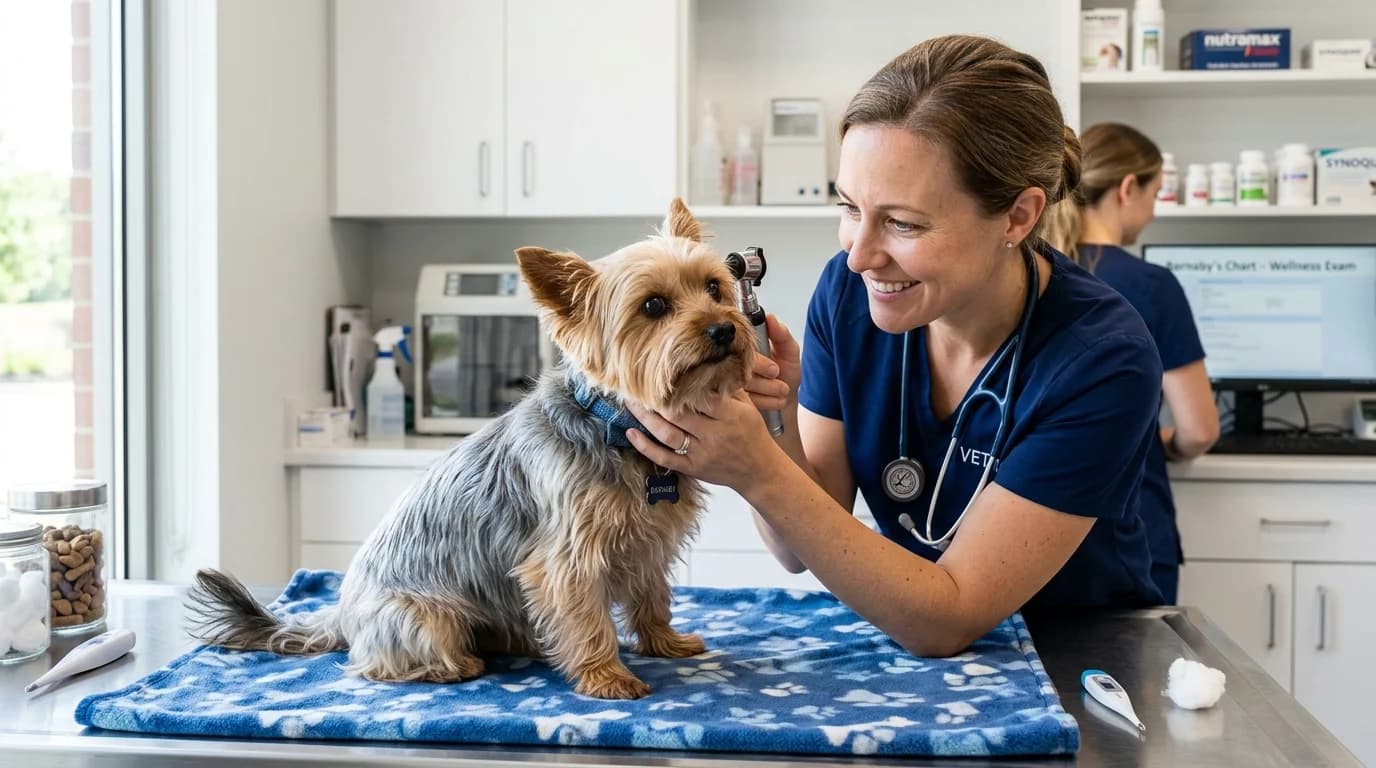
The Yorkshire Terrier (Canis lupus familiaris, American Kennel Club Toy Group; Fédération Cynologique Internationale Group 3: Terriers, Section 4: Toy Terriers) represents one of the most remarkable triumphs of artificial selection and miniature mammalian biogerontology. Developed during the mid-19th century in the industrial counties of Yorkshire and Lancashire, England, the breed emerged from utilitarian working-class crosses involving the Clydesdale Terrier, Paisley Terrier, Waterside Terrier, and English Black and Tan Terrier. Originally bred by Scottish weavers to navigate tight textile mill machinery and subterranean coal mine shafts to eradicate vermin, the Yorkie underwent rapid morphological refinement during the late Victorian era, evolving into an aristocratic lap companion without relinquishing its fierce, tenacious terrier temperament.
Morphologically, the standard Yorkshire Terrier is a compact, fine-boned, well-proportioned toy canine characterized by a high head carriage, confident demeanor, and an iconic, single-layer, non-shedding coat of fine, silky human-hair texture:
- Mature Somatic Mass: Strictly capped by international breed standards at $\le 7\text{ lbs}$ ($3.18\text{ kg}$), with typical healthy clinical weights ranging between $4.5\text{ and }7.0\text{ lbs}$ ($2.04\text{ to }3.18\text{ kg}$).
- Withers Height: Approximately $7\text{ to }8\text{ inches}$ ($17.8\text{ to }20.3\text{ cm}$).
- Signature Pigmentation: Steel blue mantle spanning from the occiput to the root of the tail, paired with rich, golden-tan points across the cranium, chest, and limbs.
Beyond their diminutive beauty and spirited personality, Yorkshire Terriers occupy a premier position in comparative canine longevity research:
- The Toy Breed Longevity Privilege: Consistently maintaining an adult somatic mass under $7\text{ lbs}$, the Yorkshire Terrier belongs to the longest-lived demographic in the entire canine kingdom. They avoid the early cellular senescence, explosive juvenile growth velocity, and catastrophic oncological risks that curtail giant breeds like Great Danes to 7–9 years.
- The High-Longevity / High-Morbidity Paradox: While the median life expectancy of the Yorkshire Terrier spans 13 to 16.5 years—with numerous documented outliers living to 17, 18, and even 20+ years—their extreme miniaturization creates profound anatomical, vascular, and metabolic trade-offs.
Achieving the upper biological limit of the Yorkie lifespan requires proactive, evidence-based management of five critical breed-specific vulnerabilities:
- Congenital Portosystemic Vascular Anomalies (EHPSS & MVD): Extrahepatic portosystemic shunts and microvascular dysplasia that bypass hepatic detoxification, precipitating neurotoxic hyperammonemia and ammonium urate urolithiasis.
- Dynamic Tracheal Collapse: Progressive hypocellularity and loss of glycosaminoglycans within cervical and intrathoracic hyaline cartilage rings, culminating in dorsoventral airway obliteration.
- Severe Periodontal Disease & Systemic Bacteremic Showers: Severe dental crowding causing Grade 3–4 periodontitis, oral bone osteolysis, and secondary bacteremia driving myxomatous mitral valve disease (MMVD) and chronic interstitial nephritis.
- Stifle & Hip Orthopedic Fragility: High incidence of Congenital Medial Patellar Luxation (MPL, Grades I–IV) and juvenile ischemic Legg-Calvé-Perthes disease (avascular necrosis of the femoral head).
- Metabolic, Ophthalmic & Cardiac Senescence: Juvenile hypoglycemia, adult pancreatitis, cataracts, dry eye (KCS), and late-life degenerations including MMVD and Canine Cognitive Dysfunction (CCD).
To calculate your Yorkshire Terrier's precise physiological life stage and convert their calendar age into a medically accurate human age equivalent, utilize our interactive Dog Age Calculator or explore comparative breed trajectories in our comprehensive Dog Age Chart.
Epidemiological Baseline: How Long Do Yorkshire Terriers Live?
Longitudinal veterinary surveillance cohorts across the United Kingdom, North America, Japan, and Scandinavia confirm that the Yorkshire Terrier consistently charts among the top quintile of domestic canine life expectancy.
                   YORKSHIRE TERRIER LIFESPAN BY COHORT & REGISTRY
+------------------------------------+------------------+-------------------+-----------------------------------------+
+ Registry / Cohort Database         | Sample Size (n)  | Reported Median   | Epidemiological Context / Methodology   |
+------------------------------------+------------------+-------------------+-----------------------------------------+
| VetCompass UK (Royal Vet College)  | 11,280 dogs      | 13.4 – 14.7 Years | Primary-care electronic veterinary EHR  |
| North American VMDB (Univ Hosps)   | 14,500+ records  | 13.8 – 15.2 Years | Tertiary academic referral hospitals    |
| UK Kennel Club Mortality Census    | 720 deaths       | 12.8 – 14.1 Years | Owner-reported pedigree longevity survey|
| Japanese Animal Hospital Cohort    | 8,600+ dogs      | 14.8 – 15.9 Years | High indoor lifestyle & preventive care |
| Swedish Agria Pet Insurance Cohort | 6,400+ dog-years | 13.9 – 14.8 Years | Insured Scandinavian veterinary cohort  |
| Proactive Clinical Wellness Cohort | Clinical Cohort  | 15.5 – 18.2 Years | Lean BCS, annual dentistry, shunt screen|
+------------------------------------+------------------+-------------------+-----------------------------------------+
                   YORKSHIRE TERRIER SURVIVAL CURVE (KAPLAN-MEIER)
   Survival
   Probability (%)
     ▲
 100 │═════════════════════════════════════════════════╗
  80 │                                                 ╚══════════╗
  60 │                                                            ╚══════════╗
  50 │- - - - - - - - - - - - - - - - - - - - - - - - - - - - - - - - - - - -╚════ (Median: 13.8–15.2 yrs)
  40 │                                                                            ╚══════════╗
  20 │                                                                                       ╚═════════╗
   0 │─────────────────────────────────────────────────────────────────────────────────────────╚════►
     0         2         4         6         8        10        12        14        16        18        20
                               Chronological Age (Years)
1. Demographic Bimodal Mortality Pattern
Unlike large and giant sporting breeds that demonstrate a steady, unimodal Gompertzian mortality curve accelerating sharply around age 8, Yorkshire Terriers exhibit a bimodal mortality distribution:
                      YORKSHIRE TERRIER MORTALITY DYNAMICS
  Mortality
    Risk
     ▲
     │  * (Peak 1: Juvenile Hazards: Shunts, Hypoglycemia, Trauma)
     │  *
     │   *
     │    *                                             * (Peak 2: Geriatric MMVD, Trachea, CKD)
     │     *                                           ***
     │      *                                         *****
     │       *****************************************       *
     └─────────────────────────────────────────────────────────────►
     0       1        2        4        8        12       16      20
                                  Age in Years
- The Early Vulnerability Phase (Ages 0 to 18 Months): Juvenile Yorkies face elevated mortality driven by congenital and extrinsic hazards: undiagnosed congenital extrahepatic portosystemic shunts (EHPSS), acute neuroglycopenic hypoglycemia, blunt physical trauma (accidental drops or crushing injuries due to diminutive body mass), and anesthetic complications during early spay/neuter procedures.
- The Extended Adult Plateau (Ages 2 to 11 Years): Yorkies that navigate past 2 years of age enjoy a prolonged, robust plateau of somatic health. They exhibit an extraordinarily low incidence of early-life malignancies (such as osteosarcoma, hemangiosarcoma, or mast cell tumors) that prematurely claim larger working dogs.
- The Geriatric Acceleration Phase (Ages 12 to 18+ Years): Late-life mortality is predominantly non-oncological, governed by chronic organ failure: end-stage Myxomatous Mitral Valve Disease (MMVD), intractable Grade IV tracheal collapse with cor pulmonale, chronic kidney disease (CKD) secondary to microvascular sclerosis or ascending periodontal bacteremia, and cognitive decline.
2. Sex-Specific Longevity Disparities
Veterinary electronic record analyses consistently demonstrate a statistically significant lifespan divergence between female and male Yorkshire Terriers:
- Female Yorkshire Terrier Median Lifespan: 14.2 to 15.6 years
- Male Yorkshire Terrier Median Lifespan: 13.1 to 14.4 years
The biological and clinical drivers behind this differential include:
- Diminutive Body Mass: Female Yorkies average 8% to 15% less somatic mass than males, reducing cumulative metabolic load and allometric aging rates.
- Trauma and High-Risk Behavior: Intact and castrated males historically display greater territorial boldness, increased exploration drive, and heightened risks of blunt domestic trauma, falls, or altercations with larger dogs.
- Urolithiasis Predilections: Male Yorkies possess a longer, narrower urethra with an os penis. When portosystemic shunts or metabolic disturbances produce ammonium urate or calcium oxalate crystals, males suffer a substantially higher frequency of life-threatening acute urethral obstructions requiring emergency catheterization or perineal urethrostomy.
To explore why body size and metabolic mass inversely correlate with mammalian longevity, consult our foundational analysis on Why Small Dogs Live Longer Than Large Dogs.
Toy Breed Biogerontology: Cellular Mechanics of Yorkie Longevity
The remarkable lifespan of a 6-pound Yorkshire Terrier compared to an 8-year lifespan of a 130-pound Mastiff presents an apparent evolutionary paradox. In wider mammalian biology, larger species routinely live longer than smaller species (elephants outlive mice). However, within the domestic dog species (Canis lupus familiaris), body mass scales inversely with life expectancy: for every 2 kg (4.4 lbs) increase in adult body mass, canine life expectancy declines by approximately one month.
                   INVERSE BODY MASS VS. LIFESPAN SCALING
   Lifespan (Years)
        ▲
     18 │      [Yorkshire Terrier / Chihuahua] (4 - 7 lbs)
     16 │          \
     14 │           \ [Beagle / Cocker Spaniel] (20 - 30 lbs)
     12 │            \
     10 │             \ [Labrador / Golden Retriever] (65 - 75 lbs)
      8 │              \
      6 │               \ [Great Dane / Mastiff] (120 - 180 lbs)
        └────────────────────────────────────────────────────────►
        0      20      40      60      80     100     120    160   Body Weight (lbs)
Yorkshire Terriers achieve their prolonged longevity through four distinct cellular, biochemical, and metabolic adaptations:
1. Attenuated IGF-1 Signaling & Constitutive Macroautophagy
All purebred Yorkshire Terriers carry the derived, longevity-associated haplotype of the Insulin-Like Growth Factor 1 (IGF1) gene on canine chromosome 15:
- Controlled Juvenile Growth Velocity: A Great Dane puppy undergoes explosive juvenile growth, multiplying its birth weight by over 100-fold within 12 months. In contrast, a Yorkie pup grows at a slow, controlled velocity, reaching an adult mass of only 4 to 7 pounds.
- The mTOR / Autophagy Dynamic: High circulating IGF-1 activates the intracellular mTOR (mechanistic target of rapamycin) cascade, which accelerates cellular hypertrophy and division while downregulating macroautophagy—the lysosomal machinery responsible for clearing damaged mitochondria, misfolded proteins, and oxidative waste. Because Yorkies maintain low basal IGF-1 concentrations, their somatic tissues maintain robust, lifelong basal autophagy, preventing cellular proteotoxicity and lipofuscin accumulation.
- Preserved Telomeric Reserves: Reduced somatic growth velocity requires fewer cumulative cell divisions to establish adult tissues. This substantially delays critical telomere attrition in tissue stem cell pools, preserving somatic regenerative reserve into their second decade.
2. Microscopic Articular and Vascular Stress
At 5 to 7 pounds, the kinetic ground reaction forces ($F_z$) transmitted across articular cartilage, intervertebral discs, and vascular endothelia during ambulation are negligible compared to heavy quadrupeds:
- Joint surfaces experience minimal compressive shear per stride, explaining why primary degenerative osteoarthritis of the hips and elbows is virtually nonexistent in Yorkshire Terriers (unless secondary to patellar luxation).
- Cardiac stroke volume is minimal. The left ventricle ejects blood against a small systemic arterial tree, preventing the early mechanical cardiomyocyte fatigue observed in giant breeds.
3. Suppression of Early-Onset Oncogenesis
Because somatic cell replication counts are orders of magnitude lower throughout life, the absolute probability of oncogenic somatic mutations occurring in rapidly dividing osteoblasts, vascular endothelia, or histiocytes is drastically suppressed. Consequently, Yorkies almost completely escape the early-to-midlife malignancies (osteosarcoma, hemangiosarcoma) that truncate large-dog lifespans between ages 6 and 9.
4. Epigenetic Methylation Dynamics
Research into canine DNA methylomes led by the University of California San Diego (UCSD; Wang et al., 2020) demonstrated that mammalian epigenomes undergo conserved remodeling across life stages, mathematically modeled by:
$$\text{Human Equivalent Age} = 16 \times \ln(\text{Chronological Canine Age}) + 31$$
While this logarithmic curve accurately reflects rapid juvenile sexual and epigenetic maturity, toy dogs like the Yorkshire Terrier exhibit a prolonged, decelerated biological aging trajectory between ages 3 and 12, preserving cellular vitality well past a decade.
For an extensive investigation of canine epigenetic clocks and mathematical aging algorithms, explore our Scientific Epigenetic Dog Age Formula.
Yorkshire Terrier Human Age Conversion Matrix
Applying an arbitrary "1 dog year = 7 human years" formula fails dramatically in toy canine medicine. A 1-year-old Yorkie is a fully grown, sexually mature adult (equivalent to an 18- to 20-year-old human), whereas a 14-year-old Yorkie is an active senior human equivalent (roughly 72 human years), capable of several more vigorous years under proactive veterinary management.
                    YORKSHIRE TERRIER HUMAN AGE CONVERSION MATRIX
+---------------+---------------------+--------------------+---------------------------------------------------+
| Yorkie Age    | Canine Life Stage   | Human Equivalent   | Physiological, Diagnostic & Clinical Milestones   |
+---------------+---------------------+--------------------+---------------------------------------------------+
| 3 Months      | Early Juvenile      | 4 – 5 Years        | Screen for fontanelle closure & liver shunt signs |
| 6 Months      | Late Juvenile       | 10 – 12 Years      | Assess deciduous dentition; pre-anesthetic TSBA   |
| 1 Year        | Young Junior Adult  | 18 – 20 Years      | Growth plates closed; baseline OFA patella exam   |
| 2 Years       | Prime Adult         | 24 – 26 Years      | Peak physical conditioning; transition to harness |
| 3 Years       | Prime Adult         | 28 – 30 Years      | First professional dental scaling; monitor tartar |
| 4 Years       | Mature Adult        | 32 – 34 Years      | Annual wellness chemistry, CBC, and urinalysis   |
| 5 Years       | Mature Adult        | 36 – 38 Years      | Strict weight check; prevent middle-age obesity   |
| 6 Years       | Mature Adult        | 40 – 42 Years      | Monitor for early tracheal clicking or cough      |
| 7 Years       | Mature Adult        | 44 – 46 Years      | Baseline thoracic radiography; dental prophylaxis |
| 8 Years       | Senior Entry        | 48 – 50 Years      | Official senior transition; initiate SDMA renal   |
| 9 Years       | Senior Stage 1      | 52 – 54 Years      | Screen for left apical systolic heart murmur      |
| 10 Years      | Senior Stage 2      | 56 – 58 Years      | Echocardiogram if murmur noted; ACVIM B1/B2 staging|
| 11 Years      | Advanced Senior     | 60 – 62 Years      | Bi-annual physicals; cognitive DISHAA questionnaire|
| 12 Years      | Geriatric Milestone | 64 – 66 Years      | Exceeds average dog lifespan; cervical imaging   |
| 13 Years      | Geriatric Phase     | 68 – 70 Years      | Reaches Yorkie median lifespan; monitor hydration |
| 14 Years      | Advanced Geriatric  | 72 – 75 Years      | Screen for systemic hypertension & proteinuria    |
| 15 Years      | Centenarian Canine  | 76 – 80 Years      | Top 15% longevity cohort; micro-exercise protocols|
| 16 Years      | Supercentenarian 1  | 81 – 85 Years      | Top 8% cohort; specialized geriatric soft diet    |
| 17 Years      | Supercentenarian 2  | 86 – 90 Years      | Rare exceptional longevity; pain & comfort focus  |
| 18 – 20+ Years| Extraordinary Outlier| 91 – 100+ Years   | Elite biological survivor; palliative hospice care|
+---------------+---------------------+--------------------+---------------------------------------------------+
The Five Primary Biological Vulnerabilities: Deep Pathophysiological Analysis
Guiding a Yorkshire Terrier safely toward its second decade requires mastering the unique pathological vulnerabilities that arise from extreme miniaturization.
                  YORKSHIRE TERRIER ANATOMICAL VULNERABILITY MAP

            [CRANIAL, DENTAL & UPPER AIRWAY APPARATUS]
            * Severe Dental Crowding & Periodontal Bacteremia (Grade 1–4)
            * Persistent Deciduous Teeth (canine impaction, calculus bridge)
            * Cervical Tracheal Collapse (hypocellular hyaline rings)
            * Persistent Calvarial Fontanelles (open fontanelle risk)
                     │
                     ▼
            [THORACIC & CARDIOVASCULAR COMPLEX]
            * Intrathoracic Tracheal Collapse (mainstem bronchomalacia)
            * Myxomatous Mitral Valve Disease (MMVD - Stage A to D)
            * Left Atrial Enlargement & Cardiogenic Cough
                     │
                     ▼
            [HEPATOBILIARY & GASTROINTESTINAL AXIS]
            * Extrahepatic Portosystemic Shunts (EHPSS - splenocaval)
            * Microvascular Dysplasia (Hepatic Microvascular Dysplasia - HMD)
            * Ammonium Urate Urolithiasis & Acute Obstructive Uropathy
            * Acute / Chronic Pancreatitis & Juvenile Hypoglycemia
                     │
                     ▼
            [MUSCULOSKELETAL & LOCOMOTOR SYSTEM]
            * Medial Patellar Luxation (MPL - Grades I through IV)
            * Legg-Calvé-Perthes Disease (Aseptic femoral head necrosis)
            * Secondary Cranial Cruciate Ligament (CCL) Rupture
1. Portosystemic Vascular Anomalies: Extrahepatic Shunts (EHPSS) & Microvascular Dysplasia (MVD)
Among all canine breeds, the Yorkshire Terrier has the highest recorded prevalence of congenital portosystemic vascular anomalies (PSVA), exhibiting an estimated relative risk up to 36 times greater than the general dog population.
                 NORMAL VS. PORTOSYSTEMIC SHUNT HEPATIC CIRCULATION

      NORMAL CANINE CIRCULATION                     EXTRAHEPATIC SHUNT (EHPSS)
 ┌─────────────────────────────────┐           ┌─────────────────────────────────┐
 │ Portal Vein carries visceral    │           │ Portal Vein blood bypasses      │
 │ blood from gut, rich in toxins, │           │ hepatic parenchyma via abnormal │
 │ ammonia, and enteric nutrients  │           │ anomalous vessel (EHPSS)        │
 └────────────────┬────────────────┘           └────────────────┬────────────────┘
                  │                                             │
                  ▼                                             ▼
 ┌─────────────────────────────────┐           ┌─────────────────────────────────┐
 │ Enters Hepatic Sinusoids        │           │ Direct systemic dump into Cava: │
 │ * Hepatocyte detoxification     │           │ * Zero hepatic detoxification   │
 │ * Urea cycle clears Ammonia     │           │ * Systemic Hyperammonemia       │
 │ * Synthesis of Albumin, Clotting│           │ * Hepatic Atrophy (Microhepatica)│
 └────────────────┬────────────────┘           └────────────────┬────────────────┘
                  │                                             │
                  ▼                                             ▼
 ┌─────────────────────────────────┐           ┌─────────────────────────────────┐
 │ Clean blood to Vena Cava & Brain│           │ Neurotoxins cross Blood-Brain:  │
 │ Healthy CNS function & Longevity│           │ Hepatic Encephalopathy, Seizures│
 └─────────────────────────────────┘           └─────────────────────────────────┘
Pathophysiology and Genetics
During embryonic development, the portal venous system derives from the embryonic vitelline veins. In normal puppies, visceral blood flows directly into the hepatic sinusoids, enabling hepatocytes to clear ammonia, bacteria, and enteric endotoxins while converting portal amino acids into systemic proteins.
In Yorkshire Terriers, genetic deregulation causes failure of embryonic vessel regression, yielding:
- Extrahepatic Portosystemic Shunts (EHPSS): A macroscopic anomalous vessel—most commonly portocaval or splenocaval—connects the portal vein directly to the systemic circulation (caudal vena cava or azygos vein), bypassing 60% to 95% of hepatic blood flow.
- Microvascular Dysplasia (Hepatic Microvascular Dysplasia - HMD / MVD): Microscopic intrahepatic shunt vessels within the hepatic lobules without a macroscopic extrahepatic communication. While often clinically silent or indolent, severe cases mimic EHPSS symptoms.
Clinical Presentation & Neurological Crises
Deprived of essential trophic factors (insulin, glucagon) carried by portal blood, the liver fails to develop, resulting in severe microhepatica (pathologically diminutive liver). When blood bypasses hepatocytes, ammonia ($NH_3$) escapes conversion to urea in the Krebs-Henseleit cycle:
- Hepatic Encephalopathy (HE): Circulating neurotoxins (ammonia, mercaptans, endogenous benzodiazepine-like ligands) cross the blood-brain barrier, disrupting astrocyte glutamine metabolism and causing cerebral edema. Symptoms manifest as postprandial disorientation, head pressing, pacing, "fly-biting," episodic blindness (amaurosis), ataxia, and generalized status epilepticus.
- Ammonium Urate Urolithiasis: High urinary concentrations of unmetabolized ammonia and uric acid lead to the precipitation of smooth, radiolucent ammonium urate calculi in the urinary bladder and urethra, predisposing male Yorkies to fatal urethral obstruction.
Diagnostic Gold Standards
- Pre- and 2-Hour Postprandial Total Serum Bile Acids (TSBA): Normal dogs exhibit fasting TSBA $<10,\mu\text{mol/L}$ and postprandial $<20,\mu\text{mol/L}$. In Yorkies with EHPSS, postprandial values routinely soar to $>100\text{ to }300,\mu\text{mol/L}$.
- Resting Blood Ammonia: Elevated basal ammonia ($>60,\mu\text{mol/L}$) supports HE.
- Multi-Detector CT Angiography (CTA): The gold standard imaging modality for 3D vascular reconstruction, precise vessel localization, and surgical planning prior to cellophane banding or ameroid constrictor placement.
2. Tracheal Collapse: Dynamic Chondromalacia & Airway Obstruction
Tracheal collapse is a progressive, irreversible degenerative disease of the cartilaginous tracheal rings and dorsal trachealis membrane, affecting up to 25% of mature and senior Yorkshire Terriers.
                     STAGES OF TRACHEAL COLLAPSE (I - IV)

  [ NORMAL ]        [ GRADE I ]        [ GRADE II ]       [ GRADE III ]      [ GRADE IV ]
   (C-Shape)         (25% Loss)         (50% Loss)         (75% Loss)         (Complete)
     ┌───┐             ┌───┐              ┌───┐              ┌───┐             ───────
    │     │           │     │            │     │            │     │           ─────────
    │     │           │     │             ─────              ─────            (Pancake)
     ───-              ───-
Biochemical Etiopathogenesis
Normal canine tracheal rings consist of rigid, semi-circular hyaline cartilage sustained by a matrix rich in chondroitin sulfate, glycosaminoglycans (GAGs), and type II collagen, bridged dorsally by the smooth dorsal trachealis muscle.
In Yorkshire Terriers, a genetic defect impairs chondrocyte matrix production. The hyaline cartilage undergoes fibrocartilaginous metaplasia, losing GAG content, cellularity, and water-binding capacity. The rings lose their structural turgor, softening into flaccid, deformable arcs that cannot withstand transmural pressure gradients.
                  DYNAMIC RESPIRATORY TRACHEAL COLLAPSE FORCES

  INSPIRATION (Negative Intrathoracic Pressure):
  [ Atmospheric Pressure > Luminal Pressure in Neck ]
  ───────► CERVICAL TRACHEA COLLAPSES (Inspiratory Stridor / Cough)

  EXPIRATION (Positive Intrathoracic Pressure during Cough/Exertion):
  [ Pleural Pressure > Intrathoracic Airway Luminal Pressure ]
  ───────► INTRATHORACIC TRACHEA & BRONCHI COLLAPSE (Expiratory Honk / Wheeze)
The Pathological Vicious Cycle
Collapse triggers a devastating self-reinforcing loop:
- Airway narrowing accelerates airflow velocity (Venturi effect), creating negative intraluminal suction that pulls the flaccid dorsal membrane further into the airway.
- Mucosal surfaces rub together during respiration, stripping the mucociliary escalator and causing chronic hyperemic tracheitis.
- Irritation evokes paroxysmal, dry coughing—classically described as the "goose-honk" cough.
- The immense mechanical pressure of coughing causes additional cartilage micro-fractures, advancing Grade I collapse (25% reduction in cross-sectional area) to Grade II (50%), Grade III (75%), and end-stage Grade IV (complete dorsoventral obliteration).
- Severe end-stage collapse leads to chronic alveolar hypoventilation, reflex pulmonary arterial vasoconstriction, pulmonary hypertension, and fatal right ventricular failure (cor pulmonale).
3. Severe Periodontal Disease: The Systemic Bacteremic Shower
Periodontal disease is the single most prevalent and underestimated killer of Yorkshire Terriers. Epidemiological studies demonstrate that by age 3, over 85% of Yorkies show established signs of Periodontal Disease (Stages 2 to 4).
                THE PERIODONTAL - SYSTEMIC END-ORGAN CASCADE

  [ Diminutive Jaw Anatomy + Severe Tooth Crowding + Retained Deciduous Teeth ]
                                      │
                                      ▼
  [ Rapid Subgingival Calculus & Anaerobic Biofilm (Porphyromonas gulae) ]
                                      │
                                      ▼
  [ Periodontal Pocketing, Alveolar Bone Osteolysis & Gingival Ulceration ]
                                      │
                                      ▼
  [ CHRONIC DAILY HEMATOGENOUS BACTEREMIA (Every Chewing Cycle) ]
                                      │
          ┌───────────────────────────┼───────────────────────────┐
          ▼                           ▼                           ▼
  [ CARDIAC MITRAL VALVE ]    [ RENAL GLOMERULI ]         [ SYSTEMIC BONE ]
  * Endothelial microtrauma   * Immune-complex deposition * Mandibular path fracture
  * Accelerates MMVD lesion   * Interstitial nephritis    * Oroantral fistulae
  * Valvular endocarditis     * Microalbuminuria / CKD    * Ocular abscesses
Why Are Yorkies Uniquely Vulnerable?
- Anatomical Tooth-to-Jaw Disproportion: The ancestral canine skull evolved to accommodate 42 permanent teeth. While the Yorkie's skull has shrunk dramatically through selective dwarfing, their teeth have not scaled down proportionately. The resulting dental crowding leaves negligible interproximal space, trapping food debris and salivary mucins.
- Persistent Deciduous Teeth: Up to 50% of Yorkies fail to shed their deciduous (baby) teeth, most notably the maxillary and mandibular canines. The permanent tooth erupts adjacent to the retained primary tooth, creating a tight anatomical crevice that rapidly accumulates plaque, forming a tartar bridge within months.
- Fragile Alveolar Bone: The mandibular bone supporting the lower first molars (309 and 409) is exceptionally thin. Advanced periodontitis quickly erodes this bone, leading to spontaneous pathological jaw fractures during mastication or minor play.
- The Bacteremic Threat: Ulcerated subgingival pockets allow aggressive anaerobic pathogens (Porphyromonas gulae, Treponema denticola) to enter the facial venous plexuses daily. This chronic hematogenous shower seeds the left atrioventricular valve leaflets and renal capillary loops, accelerating degenerative valvular disease and inducing chronic tubulointerstitial renal disease.
4. Orthopedic Vulnerabilities: Medial Patellar Luxation & Legg-Calvé-Perthes Disease
Despite their light body weight, Yorkshire Terriers have significant genetic orthopedic predispositions that compromise mobility and physical conditioning if neglected:
                  MEDIAL PATELLAR LUXATION (MPL) GRADING MATRIX
+-----------+-----------------------------------+-----------------------------------------+
| MPL Grade | Patella Anatomical Position       | Clinical Presentation & Surgical Need   |
+-----------+-----------------------------------+-----------------------------------------+
| Grade I   | In groove; manually luxates,      | Asymptomatic; occasional hopping step;  |
|           | spontaneously returns immediately | Conservative medical management         |
+-----------+-----------------------------------+-----------------------------------------+
| Grade II  | Luxates spontaneously with flexion;| Intermittent weight-bearing "skipping"   |
|           | remains out until replaced        | Monitor; surgery if lameness worsens    |
+-----------+-----------------------------------+-----------------------------------------+
| Grade III | Permanently luxated; can be       | Chronic lameness, crouched stance,      |
|           | manually reduced into groove      | Progressive cartilage wear; SURGERY REC |
+-----------+-----------------------------------+-----------------------------------------+
| Grade IV  | Permanently luxated; cannot be    | Severe lameness, bow-legged gait,       |
|           | manually reduced into groove      | Skeletal deformity; SURGERY MANDATORY   |
+-----------+-----------------------------------+-----------------------------------------+
Medial Patellar Luxation (MPL)
MPL is a congenital developmental deformity characterized by shallow femoral trochlear ridges, internal rotation of the tibia, and medial displacement of the tibial tuberosity relative to the quadriceps extensor mechanism:
- Over time, the displaced patella grinds across the medial femoral condyle, eroding articular cartilage down to subchondral bone.
- Altered biomechanical axes dramatically increase tension on the cranial cruciate ligament (CCL), causing up to 20% of senior Yorkies with untreated Grade II–III MPL to suffer complete secondary CCL ruptures.
Legg-Calvé-Perthes Disease (Aseptic Necrosis of the Femoral Head)
Manifesting in juvenile Yorkies between 4 and 11 months of age, this devastating condition involves non-inflammatory avascular ischemia of the capital femoral epiphysis.
- As bone cells die, normal weight bearing causes mechanical collapse and fragmentation of the femoral head articular surface.
- Puppies exhibit severe, non-weight-bearing pelvic limb lameness and profound thigh muscle atrophy.
- Definitive management requires surgical Femoral Head and Neck Ostectomy (FHO) to alleviate pain and restore a functional pseudoarthrosis.
5. Cardiovascular & Metabolic Senescence: MMVD, Hypoglycemia & Pancreatitis
                  PROGRESSION OF MMVD IN SENIOR YORKIES

  [ STAGE A ]  High Genetic Risk (All purebred senior Yorkies)
      │
      ▼
  [ STAGE B1 ] Soft Murmur Present; No Cardiac Remodeling (LA/Ao < 1.6, VHS < 10.5)
      │
      ▼
  [ STAGE B2 ] Significant Cardiomegaly (LA/Ao ≥ 1.6, VHS > 10.5)
               ► INITIATE PIMOBENDAN (Delays onset of CHF by average 15 months)
      │
      ▼
  [ STAGE C ]  Active Congestive Heart Failure (Pulmonary Edema, Dyspnea, Tachypnea)
               ► Triple/Quad Therapy: Pimobendan, Furosemide, Spironolactone, ACEi
      │
      ▼
  [ STAGE D ]  Refractory End-Stage Heart Failure (Torsemide, Advanced Inotropes)
- Myxomatous Mitral Valve Disease (MMVD): Degenerative expansion of the valvular spongiosa with glycosaminoglycans leads to leaflet prolapse and regurgitant flow into the left atrium. While onset in Yorkies typically occurs later in life (ages 9–12) compared to Cavalier King Charles Spaniels, MMVD remains a primary cause of late-life mortality.
- Juvenile Neuroglycopenic Hypoglycemia: Due to minimal hepatic glycogen storage capacity and immature gluconeogenic enzyme pathways, Yorkie puppies under 16 weeks can rapidly develop life-threatening hypoglycemia triggered by missed meals, cold stress, or mild gastrointestinal upset. Blood glucose drops below $40\text{ mg/dL}$, presenting as hypothermia, lethargy, muscle tremors, seizures, and coma.
- Acute & Chronic Pancreatitis: Adult Yorkies possess sensitive lipid metabolism. Ingestion of high-fat table scraps or abrupt dietary changes can induce premature intra-acinar activation of trypsinogen to trypsin, triggering pancreatic autodigestion, severe abdominal pain, systemic inflammatory response syndrome (SIRS), and life-threatening shock.
The Evidence-Based Yorkshire Terrier Longevity Protocol: Five Clinical Pillars
Maximizing a Yorkshire Terrier's healthspan into the 16-to-20-year range requires shifting from reactive treatment to lifelong, proactive clinical management.
                  THE FIVE PILLARS OF YORKIE LONGEVITY PROTOCOL

  ┌────────────────────────────────────────────────────────────────────────┐
  │ PILLAR 1: Juvenile Genetic & Vascular Profiling (Bile Acids, Dentition)│
  │ * Pre-anesthetic TSBA screening; mandatory deciduous tooth extraction │
  └───────────────────────────────────┬────────────────────────────────────┘
                                      │
  ┌───────────────────────────────────▼────────────────────────────────────┐
  │ PILLAR 2: Rigorous Airway Protection & Anti-Collapse Protocol          │
  │ * Strict zero-neck-pressure harness mandate; HEPA air purification    │
  └───────────────────────────────────┬────────────────────────────────────┘
                                      │
  ┌───────────────────────────────────▼────────────────────────────────────┐
  │ PILLAR 3: Lifelong Periodontal Preservation & Ultrasonic Prophylaxis   │
  │ * Daily enzymatic brushing; annual subgingival dental scaling with rads│
  └───────────────────────────────────┬────────────────────────────────────┘
                                      │
  ┌───────────────────────────────────▼────────────────────────────────────┐
  │ PILLAR 4: Precision Orthopedic Support & Ergonomic Joint Protection   │
  │ * High-traction floor runners; ramps for furniture; early marine EPA   │
  └───────────────────────────────────┬────────────────────────────────────┘
                                      │
  ┌───────────────────────────────────▼────────────────────────────────────┐
  │ PILLAR 5: Senior Cardiovascular, Renal & Cognitive Longevity Protocols │
  │ * ACVIM MMVD screening; SDMA renal panels; MCT neuro-support at age 8+ │
  └────────────────────────────────────────────────────────────────────────┘
Pillar 1: Juvenile Metabolic Screening, Shunt Detection & Safe Anesthesia
Long-term survival begins with a comprehensive developmental assessment during the first 12 months:
- Pre-Anesthetic Total Serum Bile Acids (TSBA): Never perform elective spay, neuter, or dental surgery on a juvenile Yorkie without evaluating fasting and 2-hour postprandial bile acids to rule out occult EHPSS or microvascular dysplasia.
- Retained Deciduous Tooth Extraction: During gonadectomy (at 6–9 months, once adult teeth begin erupting), thoroughly examine the oral cavity. Any retained primary teeth—especially canines—must be surgically extracted to allow normal permanent tooth alignment and prevent early plaque trapping.
- Weight-Sensitive Micro-Dosing & Hypothermia Prevention: Because small toy patients lose body heat rapidly under anesthesia, maintain active warming blankets (e.g., Bair Hugger) and utilize precision syringe pumps to administer weight-adjusted fluids ($2\text{ to }3\text{ mL/kg/hr}$) with 2.5% to 5% dextrose infusion to prevent intraoperative hypoglycemia.
Pillar 2: The Zero-Neck-Pressure Rule & Tracheal Preservation
Preventing mechanical microtrauma to the tracheal rings is an absolute lifelong mandate:
- The Absolute Harness Mandate: Never attach a leash to a neck collar on a Yorkshire Terrier. Even a momentary pull or sudden lurch against a collar generates localized pressure exceeding $150\text{ mmHg}$ directly against the fragile hyaline cartilage rings. Utilize a soft, wide-padded, chest-distributing harness that directs all kinetic tension across the sternum and pectoral muscles.
- Environmental Airway Defense: Secondhand cigarette smoke, aerosolized room sprays, burning incense, and wood smoke irritate the respiratory mucosa, triggering the inflammatory cascade that accelerates cartilage breakdown. Utilize indoor HEPA air filtration and maintain household relative humidity between 40% and 55% to lubricate the airway.
- Early Anti-Inflammatory Intervention: At the earliest emergence of a "clicking" breath sound or mild cough, consult your veterinarian for low-dose fluticasone inhaler therapy via an AeroDawn spacer, halting chronic tracheal mucosal inflammation before cartilage deformities progress.
Pillar 3: Lifelong Oral Prophylaxis & End-Organ Protection
Preserving the oral cavity is directly linked to preserving the heart and kidneys:
- Daily Enzymatic Home Dental Brushing: Introduce mechanical cleaning during puppyhood using a soft finger-brush and veterinary enzymatic toothpaste containing glucose oxidase and lactoperoxidase to disrupt subgingival biofilm.
- Annual Professional Ultrasonic Prophylaxis: Routine veterinary dental scale-and-polish procedures performed under endotracheal anesthesia with full-mouth dental radiographs. Probing depths exceeding $3\text{ mm}$, furcation exposures, or advanced bone loss require prompt closed root planing or surgical extraction to eliminate deep infectious reservoirs.
- Avoid Hard Chews: Because Yorkie enamel and jawbones are delicate, strictly avoid natural bones, antlers, hard cow hooves, and hard nylon chews, which commonly fracture the prominent maxillary fourth premolar (carnassial tooth 108/208).
Pillar 4: Ergonomic Home Protection & Lean Musculoskeletal Conditioning
Sustaining lean muscle mass while insulating fragile bones and patellas from injury:
- The "No-Jump" Household Environment: Jumping off beds, couches, and car seats subjects toy patellas and long bones to deceleration impact forces up to 8 times their body weight. Install carpeted pet ramps or stable foam steps alongside all elevated furniture.
- Traction Optimization: Place non-slip rubber-backed rugs across polished hardwood and tile surfaces to prevent sudden splay-leg slips that trigger acute medial patellar luxations or cruciate ligament tears.
- Target Body Condition Score (BCS 4.5/9): Excess body fat is devastating for toy dogs with collapsing airways. A single excess pound on a 5-pound Yorkie represents a 20% increase in somatic mass, accelerating chest wall compression and worsening respiratory effort. Maintain an easily palpable ribcage and visible waistline.
- Chondroprotective Supplementation: Daily high-potency marine fish oil providing: $$100\text{ to }125\text{ mg combined EPA and DHA per kg body weight}$$ to inhibit pro-inflammatory prostaglandin synthesis in joints, combined with undenatured type II collagen (UC-II) at $10\text{ mg daily}$.
For comprehensive feeding schedules and joint nutrition strategies, review our clinical guide on Diet and Exercise for Older Dogs.
Pillar 5: Senior Cardiovascular, Renal & Neurological Longevity Protocols (Ages 8+)
Transitioning a Yorkie into their senior (ages 8–11) and geriatric (ages 12–18+) stages requires specialized surveillance:
- Bi-Annual Senior Veterinary Wellness Screenings: Semi-annual physical exams including cardiovascular auscultation, systolic blood pressure measurement via Doppler (target $<140\text{ mmHg}$), complete blood counts, and serum biochemistry with Symmetric Dimethylarginine (SDMA). SDMA detects nephron loss when only 25%–40% of renal function is compromised, enabling early nutritional intervention years before creatinine elevations occur.
- Cardiac Biomarkers & Echocardiography (ACVIM Consensus): If an apical systolic murmur is auscultated, obtain thoracic radiographs (Vertebral Heart Score - VHS) and an echocardiogram (LA/Ao ratio). Initiating the inodilator Pimobendan (Vetmedin) during ACVIM Stage B2 (significant cardiomegaly prior to congestive heart failure) delays the onset of heart failure by an average of 15 months (60%), significantly extending overall survival.
- Cognitive Dysfunction Screening via DISHAA: Track behavioral changes using the DISHAA scale (Disorientation, Interactions, Sleep-wake cycles, House soiling, Activity changes, Anxiety). Supplement senior diets with Medium-Chain Triglyceride (MCT) oil (providing ketone bodies as alternative energy substrates for glucose-hypometabolic aging neurons) and antioxidants (vitamin E, alpha-lipoic acid).
To recognize early cognitive decline, review our specialized clinical analysis on Signs of Canine Cognitive Dysfunction.
Structured Clinical FAQs: Yorkshire Terrier Longevity
Can a Yorkshire Terrier live to be 16, 17, or 18 years old?
Yes, absolutely. Yorkshire Terriers possess one of the longest potential lifespans of any domestic canine breed. While the median lifespan is 13.5 to 15.2 years, reaching 16, 17, or even 18+ years is clinically achievable under proactive care. Canines that achieve these milestone ages consistently share four critical traits:
- They maintained a lean body weight (BCS 4.5/9) with zero neck collar stress, preserving airway diameter.
- They received annual professional ultrasonic dental cleanings, preventing bacteremic organ damage.
- They were screened for congenital portosystemic shunts in youth, avoiding toxic liver damage.
- Their cardiovascular system was screened regularly, allowing early pharmaceutical support (e.g., Pimobendan) at the first radiographic signs of Stage B2 cardiac remodeling.
What is the single most common cause of death in Yorkshire Terriers?
Multi-institutional veterinary studies (including the Royal Veterinary College VetCompass program and academic teaching hospital registries) indicate that the leading causes of mortality in Yorkshire Terriers are:
- Degenerative Cardiovascular Disease (MMVD & Congestive Heart Failure): Responsible for 22% to 26% of deaths in dogs over 11 years of age.
- Severe Upper & Lower Respiratory Failure (End-Stage Tracheal Collapse / Bronchomalacia): Accounting for 15% to 19% of humane euthanasia decisions.
- Chronic Kidney Disease (CKD): Comprising 12% to 15% of deaths, often secondary to microvascular renal sclerosis or chronic periodontal bacteremia.
- Congenital Vascular Anomalies & Neurological Complications (EHPSS): The primary cause of death in juvenile dogs under 2 years of age.
- Neoplasia (Cancer): Responsible for approximately 10% to 12% of deaths—a significantly lower oncological mortality rate than observed in medium, large, and giant breeds.
What is a "Teacup Yorkie" and how does it affect lifespan?
"Teacup Yorkie" is an unregulated commercial marketing term used by breeders to describe Yorkshire Terriers deliberately bred down to micro-sizes weighing under 3.5 to 4 pounds (1.5 kg). From a veterinary biogerontological standpoint, "Teacup" Yorkies have a significantly shortened life expectancy (frequently only 5 to 9 years). Extreme dwarfing amplifies severe congenital and anatomical deformities, including persistent open cranial fontanelles (hydrocephalus), extreme tracheal collapse, microvascular hepatic shunts, chronic hypoglycemia, fragile bones susceptible to spontaneous fracture, and elevated surgical and anesthetic mortality risks. Veterinary medical associations strongly discourage the intentional breeding of dogs below standard breed weights.
How can I prevent my Yorkie's trachea from collapsing?
While the underlying cartilage weakness has a genetic basis, clinical tracheal collapse can be largely prevented from becoming symptomatic:
- Never use a neck collar for walking: Use exclusively a soft, chest-distributing harness throughout life.
- Maintain strict lean body weight: Obesity is the primary clinical trigger that causes mild, asymptomatic tracheal flaccidity to deteriorate into severe respiratory distress.
- Eliminate environmental airway irritants: Prohibit smoking, vaping, aerosol room fresheners, and burning incense inside the home.
- Treat respiratory coughs immediately: Any secondary kennel cough or allergic bronchitis must be treated aggressively with anti-inflammatories and cough suppressants to halt the violent coughing that physically fractures tracheal rings.
Why do Yorkshire Terriers have such bad teeth, and how does it shorten their life?
Yorkshire Terriers have 42 adult teeth crowded into an exceptionally tiny jaw. This structural crowding traps food, hair, and saliva, creating rapid tartar buildup and anaerobic bacterial biofilms (Porphyromonas gulae). Left untreated, bacteria ulcerate the gum tissue and enter the bloodstream during normal daily chewing. This chronic hematogenous bacteremic shower directly damages:
- The Heart: Bacteria attach to heart valve leaflets, accelerating the thickening and leaking of the mitral valve (MMVD).
- The Kidneys: Bacterial antigens form immune complexes that lodge in renal filtration units (glomeruli), leading to irreversible chronic kidney disease (CKD). Regular professional dental scaling can literally add 2 to 3 years of healthy life to a Yorkshire Terrier.
What are the earliest warning signs of a liver shunt (PSS) in a young Yorkie?
The earliest signs of an extrahepatic portosystemic shunt often appear between 2 and 12 months of age, frequently worsening shortly after high-protein meals:
- Postprandial disorientation, staring blankly into space, or "head pressing" against walls.
- Episodes of unexplained ataxia (wobbly walking), temporary blindness, or lethargy.
- Failure to grow at the same rate as littermates (stunted somatic development).
- Excessive thirst (polydipsia) and excessive urination (polyuria).
- Straining to urinate, bloody urine, or passing small, yellow-brown stones (ammonium urate crystals). If your puppy displays any of these symptoms, request an immediate pre- and postprandial bile acid blood test from your veterinarian.
At what age is a Yorkshire Terrier officially considered a senior?
A Yorkshire Terrier officially enters the senior life stage at 9 to 10 years of age (roughly equivalent to 52 to 58 human years). At age 12 to 13, they cross the threshold into the geriatric / super-senior life stage. Because degenerative changes in heart valves and kidneys accelerate in their second decade, dogs aged 9 and older should transition to bi-annual veterinary wellness examinations, semi-annual blood chemistry, and annual cardiac auscultation.
How do I recognize Canine Cognitive Dysfunction (dementia) in an aging Yorkie?
Canine Cognitive Dysfunction (CCD) affects over 40% of dogs aged 14 and older. Clinicians utilize the DISHAA framework to identify early neurological deterioration:
- Disorientation: Getting lost behind open doors, wandering into corners and being unable to back out, or staring at walls.
- Interactions: Becoming unusually detached, aloof, or conversely exhibiting extreme separation anxiety.
- Sleep-Wake Cycle Disturbances: Restless pacing, circling, and vocalizing at night while sleeping heavily throughout the day.
- House Soiling: Urinating or defecating indoors shortly after having been outside, without signaling.
- Activity & Anxiety: Aimless wandering, repetitive licking, or the sudden onset of new generalized sound phobias. Early dietary supplementation with Medium-Chain Triglyceride (MCT) oil, S-adenosylmethionine (SAMe), and prescription neuro-supportive diets can significantly slow cognitive decline.
Can a senior Yorkie with a heart murmur safely undergo dental cleaning?
Yes, in the vast majority of cases. Having a heart murmur does not automatically disqualify an older Yorkie from essential dental care. In fact, leaving a severe mouth infection untreated places far greater long-term strain on the heart and kidneys than a controlled, modern anesthetic procedure. Safe senior dental management requires:
- Pre-Anesthetic Cardiac Staging: Perform an echocardiogram and chest X-rays to assess ACVIM stage and confirm the dog is stable and not in active congestive heart failure.
- Targeted Anesthetic Protocols: Use gentle induction agents (such as propofol or alfaxalone) and maintain anesthesia with isoflurane or sevoflurane, avoiding drugs that depress cardiac function.
- Continuous Vital Monitoring: An experienced veterinary technician continuously tracking ECG, end-tidal CO2, blood pressure, pulse oximetry, and core temperature ensures high procedural safety.
What is the optimal diet for a senior Yorkshire Terrier?
The optimal nutritional profile for a senior Yorkie focuses on preserving lean muscle mass while protecting kidney and heart function:
- High-Quality, Moderate Protein (24%–28% Dry Matter): Do not restrict protein unless advanced IRIS Stage 3–4 chronic kidney disease is diagnosed. High-digestibility animal protein prevents sarcopenia (muscle wasting).
- Controlled Phosphorus & Moderate Sodium: Guard against renal progression and systemic hypertension.
- Enriched Omega-3 Fatty Acids (EPA/DHA): Marine fish oil provides proven anti-inflammatory support for aging joints, kidneys, and cardiac muscle.
- Soft, Moisture-Rich Texture: Adding warm water, bone broth, or feeding premium canned wet food accommodates sensitive dentition while boosting daily water intake to support aging kidneys.
For deeper insights into the developmental transitions of aging dogs, consult our clinical guide on When Does a Dog Become a Senior.
Peer-Reviewed Scientific References
- O'Neill, D. G., Pegram, C., Crocker, P., Brodbelt, D. C., Church, D. B., & Packer, R. M. A. (2024). Longevity and mortality of purebred and crossbred dogs in the UK: a VetCompass study. Canine Medicine and Genetics, 11(1), 3. doi: 10.1186/s40575-024-00139-8.
- Tobias, K. M., & Rohrbach, B. W. (2003). Association of breed with the diagnosis of congenital portosystemic shunts in dogs: 2,752 cases (1980–2002). Journal of the American Veterinary Medical Association (JAVMA), 223(11), 1636–1639. doi: 10.2460/javma.2003.223.1636.
- Tivers, M. S., Lipscomb, V. J., Smith, K. C., Wheeler-Jones, C. P., & Brockman, D. J. (2014). Lipopolysaccharide and toll-like receptor 4 in dogs with congenital extrahepatic portosystemic shunts. The Veterinary Journal, 202(3), 469–473. doi: 10.1016/j.tvjl.2014.09.020.
- White, R. A., & Williams, J. M. (1994). Tracheal collapse in the dog—associated with secondary changes in the lower airway: a review of 100 cases. Journal of Small Animal Practice, 35(1), 25–30. doi: 10.1111/j.1748-5827.1994.tb03831.x.
- Keene, B. W., Atkins, C. E., Bonagura, J. D., Fox, P. R., Häggström, J., Fuentes, V. L., et al. (2019). ACVIM consensus guidelines for the diagnosis and treatment of myxomatous mitral valve disease in dogs. Journal of Veterinary Internal Medicine, 33(3), 1127–1140. doi: 10.1111/jvim.15488.
- Niemiec, B. A. (2008). Professional veterinary dental cleaning. Journal of Veterinary Dentistry, 25(2), 122–133. doi: 10.1177/089875640802500210.
- Wang, T., Ma, J., Hogan, A. N., Fong, S., Licon, K., Tsui, B., et al. (2020). Quantitative translation of dog-to-human aging by conserved remodeling of the DNA methylome. Cell Systems, 11(2), 176–185. doi: 10.1016/j.cels.2020.06.006.
- Sutcliffe, E. L., & Breen, M. (2011). IGF1 and canine body size: Genetic insights into allometric variation and longevity. Mammalian Genome, 22(7), 420–431. doi: 10.1007/s00335-011-9335-7.
- Kealy, R. D., Lawler, D. F., Ballam, J. M., Mantz, S. L., Biery, D. N., Greeley, E. H., et al. (2002). Effects of diet restriction on life span and age-related changes in dogs. Journal of the American Veterinary Medical Association (JAVMA), 220(9), 1315–1320. doi: 10.2460/javma.2002.220.1315.
- Roush, J. K. (1993). Canine patellar luxation. Veterinary Clinics of North America: Small Animal Practice, 23(4), 855–868. doi: 10.1016/S0195-5616(93)50087-6.
- Greer, K. A., Canterberry, S. C., & Murphy, K. E. (2007). Statistical analysis regarding the effects of height and weight on life span of the domestic dog. Mammalian Genome, 18(4), 268–275. doi: 10.1007/s00335-007-9018-8.
- Radakovich, K. E., Truelove, M. P., & Olby, N. J. (2020). Clinical and biochemical markers of canine cognitive dysfunction syndrome. Journal of Veterinary Internal Medicine, 34(4), 1432–1441. doi: 10.1111/jvim.15822.
Veterinary Medical Disclaimer: This clinical article is authored strictly for educational, informational, and comparative biogerontological reference and does not replace individualized examination, diagnosis, or therapeutic intervention by a licensed veterinary medical professional. Acute respiratory distress (paroxysmal honking cough accompanied by cyanotic purple tongue or syncopal collapse), postprandial neurological disorientation or status epilepticus, acute urinary obstruction (unproductive straining in male dogs), or sudden hypothermic weakness represent acute, life-threatening veterinary emergencies. If your Yorkshire Terrier displays any of these critical symptoms, immediately transport them to the nearest emergency veterinary specialty hospital.