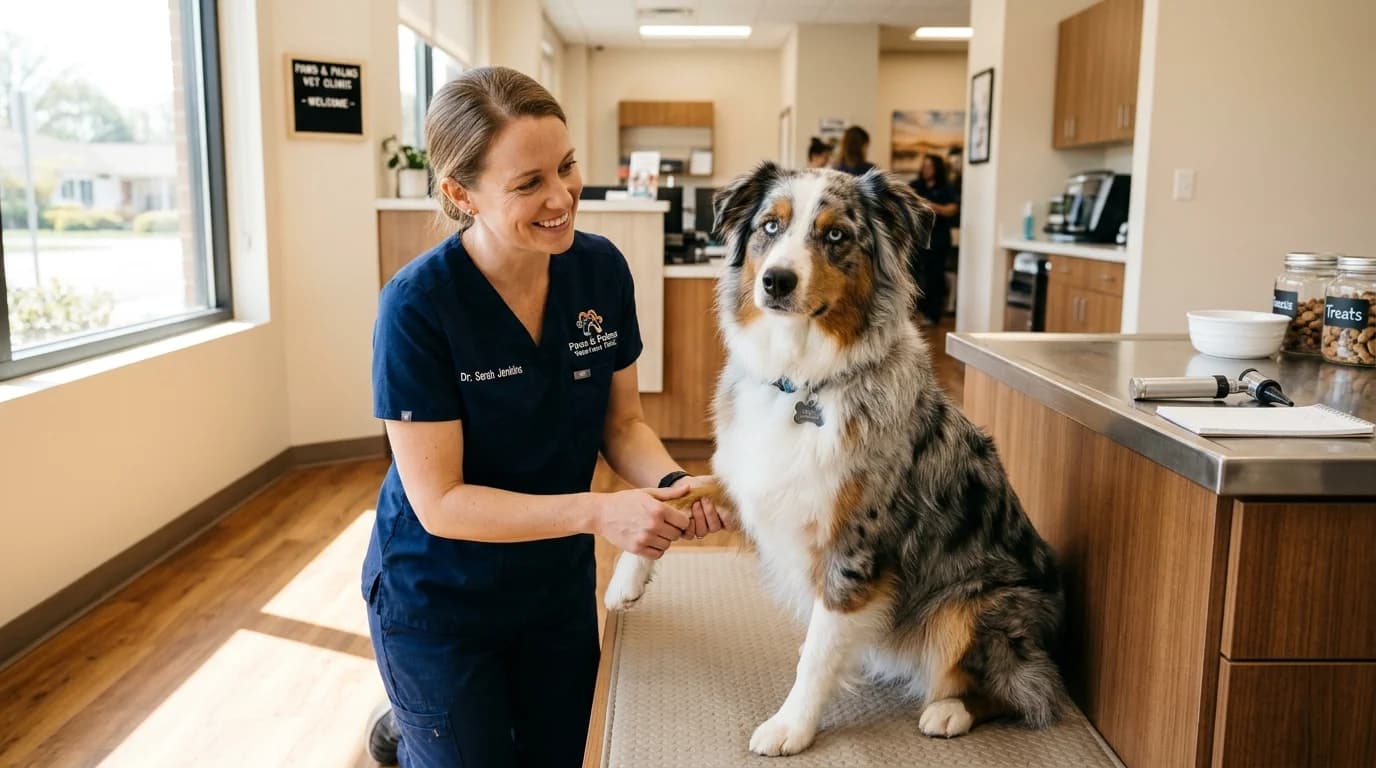
The Australian Shepherd (Canis lupus familiaris, American Kennel Club Herding Group; Fédération Cynologique Internationale Group 1: Sheepdogs and Cattle Dogs) is one of the most intellectually gifted, biomechanically agile, and genetically fascinating working breeds in modern veterinary biogerontology. Despite their geographical namesake, the breed did not originate in Australia; rather, early ancestors were developed in the Pyrenean mountain borderlands between Spain and France. Basque shepherds who emigrated first to Australia in the early 19th century—driving fine-wool Australian Merino sheep—subsequently journeyed to the western ranches of California, Colorado, Idaho, and Nevada. Ranchers across the American frontier admired the tireless stamina, low-flight herding intuition, and compact athletic power of these "little blue dogs," meticulously refining them into the ultimate ranch utility canine.
Morphologically, the standard Australian Shepherd is an intermediate, well-balanced working dog characterized by robust athletic bone density, an alert and piercing gaze, and a moderately textured, weather-resistant double coat:
- Mature Male Australian Shepherds: Height at withers: $20$ to $23\text{ inches}$ ($50.8$ to $58.4\text{ cm}$); adult somatic mass: approximately $50$ to $65\text{ lbs}$ ($22.7$ to $29.5\text{ kg}$).
- Mature Female Australian Shepherds: Height at withers: $18$ to $21\text{ inches}$ ($45.7$ to $53.3\text{ cm}$); adult somatic mass: approximately $40$ to $55\text{ lbs}$ ($18.1$ to $24.9\text{ kg}$).
Beyond their striking coat patterns (blue merle, red merle, solid black, and red) and exceptional work drive, Australian Shepherds occupy a pivotal position in comparative canine genetics, pharmacogenomics, and biogerontological longevity science:
- The Intermediate Allometric Longevity Corridor: Weighing between $40$ and $65\text{ lbs}$, the Australian Shepherd sits within an optimal metabolic window. They avoid the accelerated somatotropic cellular senescence (IGF-1 hyperactivation and rapid telomeric attrition) that restricts giant breeds like Great Danes to 7–10 years, while escaping the early myxomatous mitral valve degeneration common in toy breeds.
- The Pharmacogenetic Blood-Brain Barrier Paradigm: Up to 50% of the Australian Shepherd breed population carries at least one mutant allele for the ABCB1 (formerly MDR1) gene. This mutation renders the endothelial blood-brain barrier porous to common veterinary therapeutics (including macrocyclic lactone antiparasitics, anti-diarrheals, and neuroleptics), making pharmacogenetic literacy essential for canine survival.
Across major veterinary surveillance registries in the United States, the United Kingdom, and Europe, the median lifespan of the Australian Shepherd is 12 to 15 years, with primary-care veterinary electronic health cohorts demonstrating an overall breed median of 12.5 to 13.8 years.
When supported by proactive pharmacogenetic verification, rigorous ocular screening, lean musculoskeletal conditioning, and preventive geriatric diagnostics, dedicated owners can routinely guide Australian Shepherds to 14, 15, or even 16+ years of vigorous life. Achieving this upper survival ceiling requires aggressive, evidence-based management of five primary breed vulnerabilities:
- The ABCB1 / MDR1 Multi-Drug Resistance Mutation: A 4-base-pair deletion that impairs P-glycoprotein efflux transport, causing life-threatening neurotoxicity from routine medications.
- Hereditary Ocular Disorders: Autosomal dominant HSF4 juvenile and adult cataracts, Collie Eye Anomaly (NHEJ1), Progressive Retinal Atrophy (prcd-PRA), and Iris Coloboma.
- Merle Locus (PMEL17 / SILV) Pathology: Congenital sensorineural deafness from stria vascularis melanocyte depletion and microphthalmia arising from homozygous "double merle" (M/M) breedings.
- Athletic Orthopedic Wear & Traumatic Ruptures: Cranial Cruciate Ligament (CCL) tears, Canine Hip Dysplasia (CHD), and tarsal/carpal osteoarthritic wear driven by explosive acceleration and high-impact pivot forces.
- Oncological & Autoimmune Vulnerabilities: Hemangiosarcoma (splenic and right atrial), multicentric lymphoma, autoimmune lymphocytic thyroiditis, and idiopathic epilepsy.
To calculate your Australian Shepherd's exact physiological developmental stage and convert their calendar age into a medically accurate human age equivalent, utilize our interactive Dog Age Calculator or consult our comprehensive Dog Age Chart.
Epidemiological Baseline: How Long Do Australian Shepherds Live?
Large-scale epidemiological studies utilizing academic hospital records (VMDB), institutional health surveys (The Australian Shepherd Health & Genetics Institute - ASHGI), and primary-care electronic health surveillance registries (the Royal Veterinary College VetCompass program and the Kennel Club UK) show that the Australian Shepherd ranks among the longest-lived medium-to-large working breeds.
                  AUSTRALIAN SHEPHERD LIFESPAN BY COHORT & REGISTRY
+------------------------------------+------------------+-------------------+-----------------------------------------+
| Registry / Cohort Database         | Sample Size (n)  | Reported Median   | Epidemiological Context / Methodology   |
+------------------------------------+------------------+-------------------+-----------------------------------------+
| VetCompass UK (Royal Vet College)  | 2,410 dogs       | 12.8 – 13.6 Years | Primary-care electronic health records  |
| UK Kennel Club Mortality Survey    | 465 deaths       | 12.30 Years       | Pedigree breed longevity questionnaires |
| Swedish Agria Pet Insurance Cohort | 3,250+ dogs      | 12.4 – 13.2 Years | Insured Scandinavian veterinary cohort  |
| North American VMDB (Univ Hosps)   | 4,120+ records   | 12.2 – 13.5 Years | Academic referral hospital registries   |
| ASHGI Global Health Survey         | 1,840 deaths     | 12.8 – 13.4 Years | Breed-specific genetic health registry  |
| Proactive Veterinary Cohort        | Clinical Cohort  | 14.2 – 16.1 Years | Genotyped MDR1, lean BCS, CAER monitored|
+------------------------------------+------------------+-------------------+-----------------------------------------+
                   AUSTRALIAN SHEPHERD SURVIVAL CURVE (KAPLAN-MEIER)
   Survival
   Probability (%)
     ▲
 100 │════════════════════════════════════════════╗
  80 │                                            ╚══════════╗
  60 │                                                       ╚══════════╗
  50 │- - - - - - - - - - - - - - - - - - - - - - - - - - - - - - - - - ╚════ (Median: 12.8–13.6 yrs)
  40 │                                                                       ╚══════════╗
  20 │                                                                                  ╚═════════╗
   0 │────────────────────────────────────────────────────────────────────────────────────────────╚════►
     0         2         4         6         8        10        12        14        16        18
                               Chronological Age (Years)
1. Sex Disparities in Australian Shepherd Longevity
Epidemiological data reveals a small but clinically reproducible survival difference between female and male Australian Shepherds:
- Female Australian Shepherd Median Lifespan: 12.8 to 14.1 years
- Male Australian Shepherd Median Lifespan: 12.1 to 13.4 years
The physiological, biomechanical, and behavioral mechanisms governing this divergence include:
- Somatic Mass & Kinetic Ground Reaction Forces: Mature males carry up to $15\text{ lbs}$ ($6.8\text{ kg}$) more skeletal mass and lean muscle. Over a decade of explosive sprinting, jumping, and disc chasing, this additional mass magnifies kinetic landing forces across the femorotibial joint, leading to higher rates of early cranial cruciate ligament strain and subsequent degenerative joint disease.
- Working Exposure & Accidental Trauma: Male herding dogs display higher baseline exploratory and roaming behaviors. In active working ranch settings, male Aussies historically suffer higher rates of blunt agricultural trauma, livestock kicks, and vehicular impact compared to females.
- Gonadal Steroid Biology & Cancer Intersections: While intact females face risks of mammary neoplasia and life-threatening pyometra, early gonadectomy before full skeletal maturity (prior to 12–14 months) has been linked in large-scale studies to elevated risks of cranial cruciate rupture and hemangiosarcoma in both sexes.
To understand how body mass, metabolic rate, and evolutionary genetics dictate lifespan across breeds, consult our foundational analysis on Why Small Dogs Live Longer Than Large Dogs.
Herding Biogerontology: Pharmacogenetics, Mitochondrial Flux & Epigenetic Aging
The prolonged median survival of the Australian Shepherd relative to giant working breeds stems from an exceptional neuro-metabolic architecture. However, this physiological balance is vulnerable to a specific genetic defect that has redefined modern veterinary pharmacogenomics.
                    THE ABCB1 (MDR1) BLOOD-BRAIN BARRIER CASCADE

     WILD-TYPE AUSTRALIAN SHEPHERD (+/+)         MUTANT AUSTRALIAN SHEPHERD (-/-)
  ┌───────────────────────────────────────┐   ┌───────────────────────────────────────┐
  │  Functional P-Glycoprotein (P-gp)     │   │  Trunctated / Absent P-gp Pumps       │
  │  Active ATP-Dependent Efflux Pump     │   │  Complete Loss of Efflux Function     │
  └──────────────────┬────────────────────┘   └──────────────────┬────────────────────┘
                     │                                           │
                     ▼                                           ▼
  ┌───────────────────────────────────────┐   ┌───────────────────────────────────────┐
  │ Xenobiotics (Ivermectin, Loperamide)  │   │ Xenobiotics Penetrate Brain Capillary │
  │ Pumped OUT of Cerebral Endothelium    │   │ Endothelial Cells Directly into CSF   │
  └──────────────────┬────────────────────┘   └──────────────────┬────────────────────┘
                     │                                           │
                     ▼                                           ▼
  ┌───────────────────────────────────────┐   ┌───────────────────────────────────────┐
  │ CNS PROTECTED                         │   │ MASSIVE CNS DRUG ACCUMULATION         │
  │ Normal Neuronal Membrane Potential    │   │ Severe GABA-A Hyperpolarization       │
  │ Zero Neurotoxicity                    │   │ Ataxia, Coma, Respiratory Arrest      │
  └───────────────────────────────────────┘   └───────────────────────────────────────┘
1. The ABCB1 (MDR1) Deletion: The Pharmacogenetic Minefield
The canine ABCB1 gene encodes P-glycoprotein (P-gp), an ATP-dependent transmembrane efflux pump embedded in capillary endothelial cells of the blood-brain barrier, renal tubular epithelium, biliary canaliculi, and intestinal enterocytes.
In herding dogs, an ancestral mutation designated nt230[del4] introduces a 4-base-pair frame-shift deletion in exon 4, creating premature stop codons that yield an entirely non-functional, truncated protein:
- Normal / Clear (
+/+): Full complement of functional P-gp efflux pumps. Xenobiotics are actively extruded from the central nervous system back into systemic circulation. - Mutant / Carrier (
+/-): Approximately 50% functional P-gp capacity. These dogs display intermediate drug susceptibility and will develop severe neurotoxicity if exposed to moderate-to-high doses of sensitive compounds. - Mutant / Mutant (
-/-): Complete absence of functional P-gp. Xenobiotics pass through the cerebral vascular endothelium without resistance, rapidly accumulating in cerebrospinal fluid (CSF) at levels 10 to 100 times higher than in wild-type canines.
In ABCB1-deficient dogs, lipophilic drugs like ivermectin cross into the cerebellum, basal ganglia, and brainstem, binding to neuronal GABA and glycine receptors. This triggers massive chloride ion influx, membrane hyperpolarization, functional central nervous depression, profound ataxia, hypersalivation, mydriasis, blindness, tremors, non-responsive coma, and death via respiratory arrest.
               PHARMACOGENETIC MEDICATION SAFETY GUIDE FOR AUSSYS
+-----------------------------+-------------------------------+-----------------------------------------+
| Drug Classification         | HIGH-RISK / CONTRAINDICATED   | SAFE ALTERNATIVES FOR ALL GENOTYPES     |
+-----------------------------+-------------------------------+-----------------------------------------+
| Parasiticides & Preventatives| Ivermectin (>80 mcg/kg)       | Milbemycin oxime (at heartworm doses),  |
|                             | Doramectin, Moxidectin (high) | Afoxolaner (NexGard), Fluralaner,       |
|                             | Selamectin (high off-label)   | Sarolaner (Simparica), Spinosad         |
+-----------------------------+-------------------------------+-----------------------------------------+
| Gastrointestinal / Antidiarrheal| Loperamide (Imodium - FATAL) | Metronidazole, Proviable probiotics,    |
|                             | Ondansetron (intermediate)    | Famotidine, Bismuth subsalicylate       |
+-----------------------------+-------------------------------+-----------------------------------------+
| Sedatives & Anesthetics     | Acepromazine (reduce dose 70%)| Midazolam, Dexmedetomidine, Propofol,   |
|                             | Butorphanol (reduce dose 50%) | Isoflurane, Sevoflurane, Alfaxalone     |
+-----------------------------+-------------------------------+-----------------------------------------+
| Chemotherapy Agents         | Vincristine, Vinblastine,     | Carboplatin, Cyclophosphamide,          |
|                             | Doxorubicin, Paclitaxel       | Chlorambucil, Lomustine (CCNU)          |
+-----------------------------+-------------------------------+-----------------------------------------+
| Cardiovascular & Others     | Digoxin, Diltiazem, Verapamil | Atenolol, Enalapril, Benazepril,        |
|                             | Erythromycin, Cyclosporine    | Pimobendan (Vetmedin), Furosemide       |
+-----------------------------+-------------------------------+-----------------------------------------+
2. Epigenetic Methylation Dynamics in Athletic Herding Breeds
Comparative veterinary gerontology shows that chronological age does not advance in a linear 1:7 ratio. Research led by the University of California San Diego (UCSD; Wang et al., 2020) established that mammalian DNA methylomes undergo conserved remodeling across life stages, mathematically defined by:
$$\text{Human Equivalent Age} = 16 \times \ln(\text{Chronological Canine Age}) + 31$$
While this logarithmic formula captures the rapid epigenetic maturity of dogs during infancy and adolescence, medium-sized working dogs like the Australian Shepherd exhibit a stable, linear metabolic plateau between ages 3 and 10, followed by progressive biological decline thereafter:
- At 1 chronological year, an adolescent Aussie has achieved adult skeletal dimensions, equating epigenetically to a 31-year-old human.
- At 4 chronological years, the dog is in peak neurological, muscular, and working equilibrium, corresponding to a 53-year-old human.
- At 8 chronological years, the Australian Shepherd officially crosses the clinical threshold into senior veterinary status (~64 human years).
- At 12 chronological years, an Aussie enters the geriatric phase (~71 human years), where proactive screening is crucial to protect organ function.
- At 15 chronological years, a surviving Australian Shepherd occupies the advanced longevity bracket of an 80- to 82-year-old human.
For deeper insight into comparative methylation biology, review our guide on the Scientific Epigenetic Dog Age Formula.
Australian Shepherd Human Age Conversion Matrix
Because active herding dogs transition from explosive athletic peak to senior vulnerability rapidly between ages 7 and 10, utilizing a simple "seven-year rule" invites clinical failure. A 9-year-old Australian Shepherd is not equivalent to a healthy 63-year-old human who needs no medical adjustments; they are a senior canine facing degenerative joint changes, occult ocular cataracts, and subtle splenic risks.
                    AUSTRALIAN SHEPHERD HUMAN AGE CONVERSION MATRIX
+-----------------+---------------------+--------------------+---------------------------------------------------+
| Aussie Age (Yr) | Canine Life Stage   | Human Equivalent   | Physiological, Orthopedic & Clinical Milestones   |
+-----------------+---------------------+--------------------+---------------------------------------------------+
| 6 Months        | Juvenile / Puppy    | 10 – 12 Years      | Rapid skeletal growth; verify ABCB1/MDR1 genotype |
| 1 Year          | Adolescent Junior   | 28 – 31 Years      | Epiphyseal growth plates close; avoid hard agility|
| 2 Years         | Prime Working Adult | 36 – 38 Years      | OFA Hip/Elbow scoring; baseline CAER eye exam     |
| 3 Years         | Athletic Peak       | 44 – 46 Years      | Maximum core muscle mass; annual tickborne panels |
| 4 Years         | Mature Adult        | 49 – 51 Years      | Baseline total T4 & free T4; dental scaling       |
| 5 Years         | Mature Adult        | 53 – 55 Years      | Monitor body condition score (maintain BCS 4.5/9) |
| 6 Years         | Late Adult          | 57 – 59 Years      | Early stifling wear; initiate UC-II chondroceuticals|
| 7 Years         | Early Senior Entry  | 61 – 63 Years      | Baseline abdominal ultrasound (screen for HSA)    |
| 8 Years         | Senior Stage 1      | 64 – 66 Years      | Bi-annual physical exams; SDMA renal screening    |
| 9 Years         | Senior Stage 2      | 67 – 69 Years      | Slit-lamp biomicroscopy for HSF4 cataracts        |
| 10 Years        | Advanced Senior     | 70 – 72 Years      | Cardiovascular auscultation; cognitive DISHAA test|
| 11 Years        | Geriatric Milestone | 73 – 75 Years      | Screen for spinal spondylosis & sarcopenia        |
| 12 Years        | Geriatric Phase     | 76 – 78 Years      | Full geriatric blood panels; home ramp ergonomics |
| 13 Years        | Advanced Geriatric  | 79 – 81 Years      | Exceeds breed median; manage sensory deficits     |
| 14 Years        | Centenarian Canine  | 82 – 84 Years      | Top 15% longevity cohort; gentle mental enrichment|
| 15 Years        | Exceptional Longevity| 85 – 87 Years     | Top 5% cohort; pain management & micro-exercise   |
| 16+ Years       | Supercentenarian    | 88 – 92+ Years     | Rare outlier; palliative comfort & palliative care|
+-----------------+---------------------+--------------------+---------------------------------------------------+
The Five Primary Biological Vulnerabilities: Deep Pathophysiological Analysis
Understanding the specific pathology of the Australian Shepherd allows veterinary clinicians and owners to intervene years before subclinical lesions progress to organ failure.
                 AUSTRALIAN SHEPHERD ANATOMICAL VULNERABILITY MAP

             [OCULAR APPARATUS]
             * HSF4 Hereditary Cataracts (posterior cortical)
             * Collie Eye Anomaly (NHEJ1 - choroidal hypoplasia)
             * Iris Coloboma (merle uveal notch defects)
             * Progressive Retinal Atrophy (prcd-PRA)
                     │
                     ▼
             [BLOOD-BRAIN BARRIER & CENTRAL NERVOUS SYSTEM]
             * ABCB1 (MDR1) P-gp deficiency neurotoxicity
             * Primary Idiopathic Epilepsy (familial cluster seizures)
                     │
                     ▼
             [CARDIOVASCULAR & SPLEEN]
             * Splenic Hemangiosarcoma (vascular endothelial malignancy)
             * Cardiac Hemangiosarcoma (right atrial auricle)
                     │
                     ▼
             [ORTHOPEDIC LOCOMOTOR APPARATUS]
             * Cranial Cruciate Ligament (CCL) tears (hyperextension)
             * Canine Hip Dysplasia (CHD) & secondary osteoarthritis
             * Elbow Dysplasia (fragmented medial coronoid process)
1. ABCB1 (MDR1) Neurotoxicity & Pharmacogenomics
As detailed above, homozygous mutant (-/-) and heterozygous carrier (+/-) Australian Shepherds lack sufficient P-glycoprotein to pump xenobiotics out of the blood-brain barrier. When an affected Aussie is inadvertently given a P-gp substrate:
- Acute Intoxication Phase (1–6 Hours Post-Exposure): Central nervous system uptake leads to ataxia, wide-based pacing, weakness in the pelvic limbs, hypermetria, and disorientation.
- Progressive Depressive Phase (6–24 Hours): The animal becomes stuporous or recumbent, develops bilateral mydriasis, sluggish pupillary light reflexes, absent menace response, and continuous hypersalivation.
- Comatose & Respiratory Collapse (24–72 Hours): Generalized central respiratory depression occurs. Without intensive intravenous lipid emulsion (ILE) therapy and mechanical ventilation, cardiovascular collapse and death follow.
2. Hereditary Ocular Diseases: The HSF4 & NHEJ1 Axes
Ocular abnormalities represent one of the most widespread clinical challenges in Australian Shepherd medicine:
- Hereditary Cataracts (HSF4 Mutation): A single nucleotide deletion in the Heat Shock Transcription Factor 4 gene (HSF4) disrupts the cellular stress response in crystalline lens fibers. In Australian Shepherds, unlike Boston Terriers and French Bulldogs where the mutation is recessive, the HSF4 mutation is inherited as an autosomal dominant trait with incomplete penetrance. Heterozygous Aussies (
+/-) carry an estimated 12- to 17-fold increased lifetime risk of developing bilateral posterior cortical cataracts, typically appearing between 2 and 7 years of age. Without prompt phacoemulsification, cataracts progress to complete intumescence, lens-induced uveitis, and secondary glaucoma. - Collie Eye Anomaly (CEA, NHEJ1 Deletion): A 7.8-kilobase deletion in the NHEJ1 gene on canine chromosome 37 impairs early embryological mesodermal differentiation of the posterior ocular tunics. Defects range from mild, non-progressive choroidal hypoplasia to severe posterior scleral ectasia (coloboma), retinal detachment, and intraocular hemorrhage.
- Iris Coloboma: Commonly seen in merle Aussies, this is a congenital full-thickness cleft or notch in the iris, typically at the 6 o'clock position. While mild colobomas merely cause photophobia in bright sunlight, severe colobomas cause abnormal pupillary constriction and secondary visual impairment.
3. The Merle Locus (PMEL17 / SILV) and "Double Merle" Pathology
The iconic merle coat pattern is caused by an insertion of a SINE retrotransposon into the PMEL17 (SILV) gene. This mutation disrupts normal melanogenesis, producing marbled patches of eumelanin and phaeomelanin.
When two merle dogs are bred together (M/m $\times$ M/m), statistically 25% of the progeny inherit two copies of the merle allele (M/M), becoming homozygous "Double Merles":
- Congenital Sensorineural Deafness: Embryonic development of the inner ear requires melanocytes within the stria vascularis to maintain the endocochlear potential necessary for hair cell depolarisation. In M/M canines, melanocyte migration fails completely. Within the first two weeks of life, the blood supply to the organ of Corti degenerates, causing irreversible, permanent bilateral deafness.
- Severe Ocular Dysgenesis: Double merles suffer from microphthalmia (pathologically small, non-functional globes), eccentric pupils (corectopia), rudimentary irises (aniridia), Persistent Pupillary Membranes (PPM), and spontaneous retinal detachments.
                      MERLE GENETICS PUNNETT SQUARE (M/m x M/m)

                           SIRE: Heterozygous Merle (M/m)
                                     M                 m
                         ┌────────────────────┬────────────────────┐
                       M │        M/M         │        M/m         │
    DAM:                 │   DOUBLE MERLE     │   STANDARD MERLE   │
    Heterozygous Merle   │ Severe Deafness    │ Normal Hearing     │
    (M/m)                │ Microphthalmia     │ Normal Vision      │
                         ├────────────────────┼────────────────────┤
                       m │        M/m         │        m/m         │
                         │   STANDARD MERLE   │   SOLID / NON-MERLE│
                         │ Normal Hearing     │ Normal Hearing     │
                         │ Normal Vision      │ Normal Vision      │
                         └────────────────────┴────────────────────┘
   OUTCOME: 25% Severe Sensory Handicaps (M/M) | 50% Standard Merle | 25% Solid Coat
4. Athletic Orthopedic Biomechanics & Cruciate Ligament Ruptures
The Australian Shepherd's compact muscular frame, intense prey drive, and boundless agility make them phenomenal disc, flyball, and livestock trial competitors. However, this athletic drive creates extreme biomechanical strain:
- Cranial Cruciate Ligament (CCL) Disease: The biomechanical angle of the canine tibial plateau (tibial plateau angle - TPA) places continuous cranial tibial thrust on the cranial cruciate ligament during sprint stops and high-speed directional pivots. In Aussies with steep TPAs ($>26^\circ$) or underlying systemic inflammation, chronic micro-tearing inevitably culminates in complete acute rupture.
- Canine Hip Dysplasia (CHD): Genetic laxity in the coxofemoral joint allows the femoral head to subluxate from the acetabulum, precipitating severe mechanical cartilage erosion, acetabular rim remodeling, osteophytosis, and chronic, debilitating osteoarthritis.
For an in-depth clinical protocol on safeguarding joints in active breeds, read our definitive treatise on Large Breed Osteoarthritis Prevention.
5. Hemangiosarcoma, Lymphoma & Autoimmune Complex
Longitudinal epidemiological necropsy studies confirm that neoplasia is the leading cause of non-accidental mortality in Australian Shepherds over age 9:
- Visceral Hemangiosarcoma (HSA): A devastating, malignant endothelial tumor with high affinity for the splenic parenchyma and the right atrial auricle of the heart. HSA develops silently over months; the primary presenting symptom is often sudden hemorrhagic shock, profound pale mucous membranes, and abdominal distension caused by acute spontaneous rupture of the splenic mass.
- Multicentric Lymphoma: Malignant proliferation of B- or T-lymphocytes within peripheral lymph nodes (mandibular, prescapular, popliteal). Early detection via bi-annual palpation substantially improves response rates to multi-agent CHOP chemotherapy protocols.
- Autoimmune Lymphocytic Thyroiditis: Immune-mediated destruction of the thyroid gland mediated by autoantibodies against thyroglobulin (TgAA). Untreated hypothyroidism causes weight gain, lethargy, symmetric alopecia, hypercholesterolemia, and accelerated vascular aging.
- Primary Idiopathic Epilepsy: Inherited familial epilepsy manifests between ages 1 and 5 as generalized tonic-clonic seizures. Uncontrolled cluster seizures cause neuronal excitotoxicity and hyperthermia, demanding strict maintenance with antiepileptic therapy (levetiracetam, phenobarbital, potassium bromide).
The Evidence-Based Australian Shepherd Longevity Protocol: Five Clinical Pillars
Guiding an Australian Shepherd beyond the breed median toward 15+ years requires a proactive clinical strategy that begins during puppyhood and adapts across life stages.
                  THE FIVE PILLARS OF AUSSIE LONGEVITY PROTOCOL

  ┌────────────────────────────────────────────────────────────────────────┐
  │ PILLAR 1: Mandatory Genetic Profiling (ABCB1, HSF4, NHEJ1)             │
  │ * Prevent lethal drug toxicity; early cataract surgical intervention   │
  └───────────────────────────────────┬────────────────────────────────────┘
                                      │
  ┌───────────────────────────────────▼────────────────────────────────────┐
  │ PILLAR 2: Athletic Conditioning & Lean Mass Maintenance (BCS 4.5/9)    │
  │ * Maintain lean frame; marine EPA/DHA; early UC-II chondroprotection   │
  └───────────────────────────────────┬────────────────────────────────────┘
                                      │
  ┌───────────────────────────────────▼────────────────────────────────────┐
  │ PILLAR 3: Comprehensive Ophthalmic & Hearing Surveillance              │
  │ * Annual CAER biomicroscopy; BAER hearing tests in merle phenotypes    │
  └───────────────────────────────────┬────────────────────────────────────┘
                                      │
  ┌───────────────────────────────────▼────────────────────────────────────┐
  │ PILLAR 4: Mid-Life Oncological & Visceral Ultrasound Screening (Age 7+)│
  │ * Semi-annual abdominal scans; cardiac echo for early hemangiosarcoma  │
  └───────────────────────────────────┬────────────────────────────────────┘
                                      │
  ┌───────────────────────────────────▼────────────────────────────────────┐
  │ PILLAR 5: Geriatric Neurological, Cognitive & Renal Care (Age 9+)      │
  │ * SDMA early renal detection; DISHAA neuroprotection; dental scaling   │
  └────────────────────────────────────────────────────────────────────────┘
Pillar 1: Universal Genetic Screening (ABCB1, HSF4, NHEJ1) & Medical Guardrails
Before any Australian Shepherd receives antiparasitic preventatives, sedatives, or surgical anesthesia, their genetic status must be verified:
- DNA Buccal Swab or Whole Blood PCR: Test for the
nt230[del4]ABCB1 mutation, HSF4 cataract mutation, and NHEJ1 CEA mutation. - Veterinary Medical Record Alert: If the dog is
+/-or-/-for ABCB1, place high-visibility warning stickers on the physical medical chart and electronic veterinary management software: "MDR1 DEFICIENT - DO NOT ADMINISTER IVERMECTIN, LOPERAMIDE, ACEPROMAZINE, BUTORPHANOL." - Safe Parasite Control: Use isoxazoline-class tick/flea products (afoxolaner, fluralaner, sarolaner) and milbemycin oxime at strict label heartworm preventative dosages ($0.5\text{ mg/kg}$), which do not trigger neurotoxicity.
Pillar 2: Lean Musculoskeletal Conditioning, Warm-Ups & Chondroprotection
Excess body mass is the single greatest accelerator of osteoarthritis and cellular aging in working dogs:
- Target Body Condition Score (BCS 4.5/9 to 5/9): Ensure the ribs are easily palpable under a thin layer of fat, with an obvious abdominal tuck from the side and a distinct hourglass waistline from above.
- The Purina Lifelong Restriction Study Paradigm: Research (Kealy et al., JAVMA, 2002) demonstrated that maintaining dogs in lean body condition extended median lifespan by 1.8 years (15%) and delayed the onset of chronic joint disease by an average of 3 years.
- Dynamic Warm-Ups & Surface Awareness: Avoid launching directly into high-intensity ball chasing or disc catching from a cold resting state. Provide 10 minutes of walking and trotting to lubricate articular cartilage with synovial fluid. Avoid repetitive agility jumps on hard, slick surfaces like concrete or wet grass.
- Marine Polyunsaturated Fatty Acid Supplementation: Daily administration of high-purity fish oil providing: $$100\text{ to }125\text{ mg combined EPA and DHA per kg body weight daily}$$ EPA acts as a competitive substrate for cyclooxygenase and 5-lipoxygenase enzymes, displacing arachidonic acid and dramatically reducing pro-inflammatory prostaglandin $E_2$ and leukotriene $B_4$ synthesis within synovial membranes.
- Undenatured Type II Collagen (UC-II): At a dose of $40\text{ mg daily}$, UC-II works via oral tolerance in gut-associated lymphoid tissue (Peyer's patches), deactivating cartilage-destroying killer T-cells and halting joint breakdown.
For targeted feeding schedules for mature working breeds, read our clinical guide on Diet and Exercise for Older Dogs.
Pillar 3: Proactive Ophthalmic Biomicroscopy & Retinal Screening
Because HSF4 cataracts can develop silently behind the iris before clouding the pupillary aperture:
- Annual CAER / OFA Eye Examinations: Have a board-certified veterinary ophthalmologist perform slit-lamp biomicroscopy and indirect ophthalmoscopy annually starting at age 2.
- Early Phacoemulsification: Catching hereditary cataracts while they are focal or immature allows for surgical removal with high success rates ($>90%$), preventing lens-induced uveitis, lens subluxation, and blind, painful eyes.
- Antioxidant Ophthalmic Support: Oral supplementation with lutein, zeaxanthin, astaxanthin, and vitamins C and E scavenges free radicals generated by ultraviolet light exposure in outdoor working dogs.
Pillar 4: Mid-Life Splenic & Oncological Surveillance Starting at Age 7
Because hemangiosarcoma and multicentric lymphoma are the primary neoplastic killers of aging Australian Shepherds:
- Bi-Annual Physical Palpation: Thorough examination of peripheral lymph node chains (mandibular, prescapular, axillary, superficial inguinal, popliteal) to detect early lymphoma.
- Routine Abdominal Sonography (Ultrasound): Perform baseline abdominal ultrasonography at age 7, repeating annually. This non-invasive imaging modality detects subclinical splenic hematomas or vascular nodules before catastrophic hemoperitoneum occurs.
- Complete Blood Count & Coagulation Profiling: Monitor platelet counts, red cell morphology (screening for schistocytes and acanthocytes characteristic of microangiopathic hemolytic anemia), and D-dimers.
Pillar 5: Geriatric Neurological, Cognitive & Renal Care Starting at Age 9
As your Aussie enters their senior (age 9) and geriatric (age 11+) life stages, shift focus to cognitive preservation and early organ monitoring:
- Bi-Annual Geriatric Blood Panels: Screen serum biochemistry and Symmetric Dimethylarginine (SDMA) every 6 months. SDMA detects nephron loss when only 25%–40% of renal function is lost, years ahead of traditional blood urea nitrogen (BUN) and serum creatinine spikes.
- Cognitive Dysfunction Screening via the DISHAA Framework: Track behavioral shifts using the DISHAA clinical framework (Disorientation, Interactions, Sleep-wake cycles, House soiling, Activity changes, Anxiety).
- Medium-Chain Triglyceride (MCT) Nutritional Therapy: Supplementing dietary fats with coconut or purified MCT oil ($5.5%\text{ of total daily energy requirement}$) provides ketone bodies that bypass aging brain glucose hypometabolism, providing alternative cellular fuel for aging neurons.
- Ultrasonic Periodontal Prophylaxis: Routine dental cleanings prevent the chronic hematogenous shower of oral bacteria (Porphyromonas gulae) from causing secondary bacterial endocarditis, hepatic fibrosis, and interstitial nephritis.
To recognize subtle changes as your Aussie transitions into their golden years, review our clinical resource on When Does a Dog Become a Senior.
Structured Clinical FAQs: Australian Shepherd Longevity
Can an Australian Shepherd live to be 15, 16, or 17 years old?
Yes, absolutely. While the median lifespan is 12 to 14 years, reaching 15 to 17 years is clinically achievable for Australian Shepherds. Dogs that reach these milestone ages consistently share five key factors:
- They were confirmed clear or appropriately protected against ABCB1 (MDR1) toxic medication exposures throughout life.
- They maintained a lean body condition score (BCS 4.5/9) with strong core muscle tone, preventing early orthopedic failure.
- They received annual ophthalmic examinations that caught and managed cataracts before sight loss.
- They underwent regular veterinary blood screenings and abdominal ultrasounds starting at age 7 to catch hemangiosarcoma early.
- They received mental enrichment and low-impact exercise tailored to their senior capabilities.
What is the single most common cause of death in Australian Shepherds?
According to multi-institutional epidemiological studies (such as the UK Kennel Club and ASHGI health surveys), the leading causes of mortality in Australian Shepherds are:
- Neoplasia (Cancer): Responsible for approximately 30% to 35% of all deaths, with Hemangiosarcoma and Lymphoma representing over half of these malignancies.
- Old Age & Progressive Sarcopenia / Immobility: Accounting for 18% to 22% of humane euthanasia decisions.
- Cardiovascular / Cerebrovascular Collapse: Responsible for roughly 10% to 13% of deaths.
- Accidental Trauma: Vehicle strikes, livestock kicks, and falls in working farm environments represent a significant mortality factor in dogs under 4 years of age.
What medications are lethal to Australian Shepherds with the MDR1 mutation?
The most hazardous drugs for Australian Shepherds with the ABCB1 (MDR1) mutation include:
- Ivermectin, Doramectin, and high-dose Moxidectin: High-dose formulations (such as Ivomec sheep/cattle drenches used off-label for mange or external parasites) cause fatal neurotoxicity. (Note: standard heartworm preventatives like Heartgard containing micro-doses of ivermectin at 6 mcg/kg are generally safe even for mutant dogs, but higher doses are lethal).
- Loperamide (Imodium): Available over the counter for human diarrhea, this drug causes severe, non-responsive coma and respiratory arrest in Aussies. Never give Imodium to an Australian Shepherd.
- Acepromazine and Butorphanol: Standard veterinary tranquilizers and pain medications that cause profound, prolonged central nervous system depression unless doses are reduced by 50% to 75%.
- Chemotherapy Agents (Vincristine, Vinblastine, Doxorubicin): Cause severe bone marrow suppression and neurotoxicity.
What is a "Double Merle" Australian Shepherd and what health problems do they have?
A "Double Merle" (or homozygous merle, M/M) occurs when two merle Australian Shepherds are bred together. Each puppy has a 25% statistical probability of inheriting two copies of the merle mutation. Double merles are characterized by predominantly white coats, pink skin around the nose and eyes, and severe congenital sensory deficits:
- Complete Sensorineural Deafness: Lack of melanocytes in the inner ear causes permanent death of auditory nerve hair cells by 2 weeks of age.
- Microphthalmia & Blindness: Abnormally small, malformed eyeballs, cleft irises (coloboma), night blindness, and high risks of retinal detachment. Breeding two merle dogs together is considered unethical by veterinary medical associations and breed parent clubs worldwide.
At what age is an Australian Shepherd officially considered a senior?
An Australian Shepherd is officially classified as a senior dog at 8 to 9 years of age (roughly equivalent to 64 to 67 human years). At age 11 to 12, they enter the geriatric life stage. Upon reaching age 8, Aussies should transition to bi-annual (every 6 months) physical examinations, complete blood chemistry, urinalysis, and baseline abdominal imaging.
Do Miniature American Shepherds (Mini Aussies) live longer than Standard Australian Shepherds?
Yes, modestly. Miniature American Shepherds (historically called Miniature Australian Shepherds, weighing 20 to 40 lbs) possess a median lifespan of 13 to 15.5 years, approximately 1 to 1.5 years longer than Standard Australian Shepherds (40 to 65 lbs). This follows standard mammalian allometric biogerontology, where smaller somatic mass correlates with reduced cell division rates, lower oxidative stress, and decreased mechanical load across articular joints. However, Miniature American Shepherds share many of the same genetic predispositions as Standard Aussies, including the ABCB1 mutation, HSF4 cataracts, and Progressive Retinal Atrophy (prcd-PRA).
What are the earliest symptoms of hereditary cataracts in Australian Shepherds?
The earliest signs of HSF4 cataracts typically appear between ages 2 and 7 as:
- A faint, grayish, bluish, or crystalline opacity deep within the center of the pupil, most visible in dim lighting or with a flashlight.
- Reluctance to navigate stairs or enter dark rooms at night (early nyctalopia).
- Hesitation when jumping into vehicles or catching balls in mid-air.
- Clumsiness or bumping into novel objects positioned on their visual periphery. Because early cataracts cause zero pain and dogs compensate well with scent and hearing, cataracts are frequently missed until they cover 70%+ of the lens. Routine slit-lamp screening by a veterinary ophthalmologist is the only method for early detection.
How can I prevent torn ACLs (cranial cruciate ligament ruptures) in my athletic Aussie?
To minimize cruciate ligament trauma in high-drive herding dogs:
- Never Allow Obesity: Keep your Aussie lean (BCS 4.5/9). Every excess pound multiplies kinetic shear stress across the tibial plateau during abrupt stops.
- Warm Up Before High-Intensity Play: Spend 5 to 10 minutes walking and trotting before throwing frisbees or agility running.
- Avoid Slick Ground & Sudden Lateral Twists: Do not run your dog on wet, muddy grass or smooth polished hardwood floors where slipping hyperextends the stifle.
- Build Core & Hindquarter Muscle: Incorporate controlled uphill walking, balance boards (wobble cushions), and swimming to strengthen the quadriceps and hamstring muscle groups that support the cruciate ligament.
- Supplement Omega-3s Early: Provide marine EPA/DHA daily to suppress chronic intra-articular inflammation.
What is the best diet for an aging Australian Shepherd?
Senior Australian Shepherds need a diet tailored to their slowing metabolic rate and aging organ systems:
- High-Quality, Digestible Protein (26%–30% DM): Sarcopenia (loss of lean muscle mass) is a major contributor to frailty in old dogs. Do not restrict protein unless your veterinarian diagnoses advanced International Renal Interest Society (IRIS) Stage 3 or 4 chronic kidney disease.
- Moderate Dietary Fat (12%–15% DM): Provides essential fatty acids while preventing excessive caloric accumulation and secondary obesity.
- Added Joint & Brain Nutrients: Look for or supplement marine EPA/DHA fish oil, glucosamine, chondroitin, UC-II collagen, and Medium-Chain Triglycerides (MCT oil).
- Enhanced Moisture: Adding warm bone broth or canned wet food increases daily water intake, protecting aging kidneys and reducing urinary tract stone risk.
How do I recognize Canine Cognitive Dysfunction (dementia) in an old Australian Shepherd?
Canine Cognitive Dysfunction (CCD) affects approximately 30% of dogs aged 11 to 12 and over 60% of dogs aged 15+. Utilize the DISHAA framework to identify early signs:
- Disorientation: Getting stuck behind open doors, pacing into corners, or staring blankly at walls.
- Interactions: Becoming unusually clingy, irritable, or failing to greet family members upon return.
- Sleep-Wake Cycles: Pacing, whining, or barking at 2 AM while sleeping heavily throughout the day.
- House Soiling: Losing house-training and urinating indoors without signaling to go outside.
- Activity & Anxiety: Restless wandering, repetitive pacing, or developing new generalized phobias to normal sounds.
If you suspect cognitive decline, consult our dedicated clinical guide on Signs of Canine Cognitive Dysfunction for dietary, antioxidant, and medical interventions.
Peer-Reviewed Scientific References
- Mealey, K. L., Bentjen, S. A., Gay, J. M., & Cantor, G. H. (2001). Ivermectin sensitivity in collies is associated with a deletion mutation of the mdr1 gene. Proceedings of the National Academy of Sciences (PNAS), 98(24), 13954–13959. doi: 10.1073/pnas.241517098.
- Mellersh, C. S., McLaughlin, B., McLaughlin, B., & Powell, J. (2009). Mutation in HSF4 is associated with hereditary cataracts in the Australian Shepherd. Investigative Ophthalmology & Visual Science (IOVS), 50(8), 3736–3740. doi: 10.1167/iovs.08-3283.
- O'Neill, D. G., Pegram, C., Crocker, P., Brodbelt, D. C., Church, D. B., & Packer, R. M. A. (2024). Longevity and mortality of purebred and crossbred dogs in the UK: a VetCompass study. Canine Medicine and Genetics, 11(1), 3. doi: 10.1186/s40575-024-00139-8.
- Wang, T., Ma, J., Hogan, A. N., Fong, S., Licon, K., Tsui, B., et al. (2020). Quantitative translation of dog-to-human aging by conserved remodeling of the DNA methylome. Cell Systems, 11(2), 176–185. doi: 10.1016/j.cels.2020.06.006.
- Clark, L. A., Wahl, J. M., Rees, C. A., & Murphy, K. E. (2006). Retrotransposon insertion in SILV is responsible for merle patterning of the domestic dog. Proceedings of the National Academy of Sciences (PNAS), 103(5), 1376–1381. doi: 10.1073/pnas.0506940103.
- Parker, H. G., Kukekova, A. V., Akey, D. T., Goldstein, O., Kirkness, E. F., Baysac, K. C., et al. (2007). Breed relationships facilitate fine-mapping, chromosomal assignment, and candidate gene identification of the Collie eye anomaly locus. Proceedings of the National Academy of Sciences, 104(39), 15430–15435. doi: 10.1073/pnas.0707474104.
- Strain, G. M. (2004). Deafness prevalence and pigmentation and gender associations in dog breeds at risk. The Veterinary Journal, 167(1), 23–32. doi: 10.1016/S1090-0233(03)00078-7.
- Kealy, R. D., Lawler, D. F., Ballam, J. M., Mantz, S. L., Biery, D. N., Greeley, E. H., et al. (2002). Effects of diet restriction on life span and age-related changes in dogs. Journal of the American Veterinary Medical Association (JAVMA), 220(9), 1315–1320. doi: 10.2460/javma.2002.220.1315.
- Dobson, J. M. (2013). Breed-predispositions to cancer in pedigree dogs. ISRN Veterinary Science, 2013, 941275. doi: 10.1155/2013/941275.
- Greer, K. A., Canterberry, S. C., & Murphy, K. E. (2007). Statistical analysis regarding the effects of height and weight on life span of the domestic dog. Mammalian Genome, 18(4), 268–275. doi: 10.1007/s00335-007-9018-8.
- Smith, G. K., Mayhew, P. D., Kapatkin, A. S., Shofer, F. S., & Gregor, T. P. (2001). Evaluation of risk factors for degenerative joint disease associated with hip dysplasia in German Shepherd Dogs, Golden Retrievers, Labrador Retrievers, and Rottweilers. Journal of the American Veterinary Medical Association (JAVMA), 219(12), 1719–1724. doi: 10.2460/javma.2001.219.1719.
- Graham, P. A., Refsal, K. R., & Nachreiner, R. F. (2007). Etiopathologic findings of canine hypothyroidism. Veterinary Clinics of North America: Small Animal Practice, 37(4), 617–631. doi: 10.1016/j.cvsm.2007.05.002.
Veterinary Medical Disclaimer: This clinical article is authored strictly for educational, informational, and comparative biogerontological reference and does not replace individualized examination, diagnosis, or therapeutic intervention by a licensed veterinary medical professional. Acute neurological signs (staggering ataxia, tremors, dilated non-reactive pupils, sudden collapse, or stupor following medication ingestion), sudden abdominal distension paired with pale white gums, acute respiratory distress, or severe non-weight-bearing lameness represent life-threatening veterinary emergencies. If your Australian Shepherd displays any of these symptoms, immediately transport them to the nearest emergency veterinary specialty hospital.