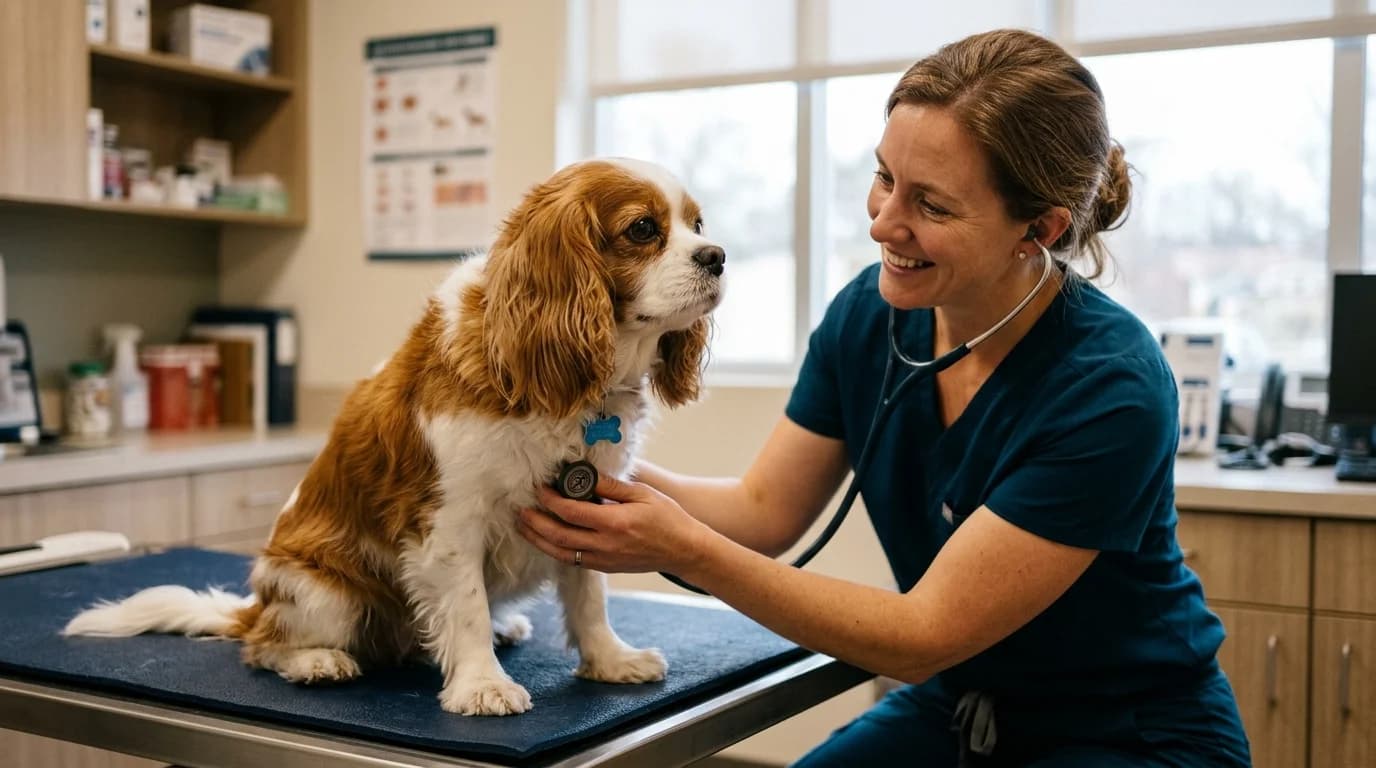
The Cavalier King Charles Spaniel (Canis lupus familiaris, American Kennel Club Toy Group; Fédération Cynologique Internationale Group 9: Companion and Toy Dogs, Section 7: English Toy Spaniels) is one of the most cherished, visually distinctive, and historically celebrated companion breeds in canine history. Intimately intertwined with the British monarchy of King Charles I and King Charles II—from whom the breed derives its royal nomenclature—these toy spaniels were immortalized in seventeenth- and eighteenth-century masterworks by Anthony van Dyck, Thomas Gainsborough, and Sir Peter Lely. Following centuries of hybridization with Asian brachycephalic breeds (such as the Pug and Japanese Chin) that compressed the cranial rostrum into the modern King Charles Spaniel (English Toy Spaniel), a dedicated restoration effort led by American cynologist Roswell Eldridge in the mid-1920s revived the historic, longer-snouted spaniel type characterized by a flat skull, shallow stop, and flowing feathered coat.
Morphologically and physiologically, the contemporary Cavalier King Charles Spaniel presents an elegant, well-proportioned toy silhouette:
- Adult Somatic Mass: Mature males and females ideally weigh between 13 and 18 pounds ($5.90\text{ to }8.16\text{ kg}$), displaying a compact, balanced frame with a level topline, moderately deep ribcage, and graceful, well-angulated limbs.
- Cranial and Conformation Architecture: Mesocephalic to slightly brachycephalic skull with a skull almost flat between the high-set, abundantly feathered ears; a shallow stop; an average muzzle length of approximately 1.5 inches ($3.8\text{ cm}$); and large, round, dark limpid eyes possessing an expressive, soulful expression without prominent sclera or proptosis.
- Coat & Pigmentation Phenotypes: A silky, non-curly single coat (with permissible light wave) exhibiting four distinct breed-standard patterns: Blenheim (rich chestnut red markings evenly spaced on a pearly white ground, historically prized with the central chestnut "Blenheim spot" or lozenge on the forehead), Tricolor (jet black markings on pearly white with rich tan markings over the eyes, cheeks, inside ears, and underside of tail), Ruby (solid rich chestnut red without white markings), and Black and Tan (jet black ground with rich tan markings).
From a biogerontological standpoint, the Cavalier King Charles Spaniel occupies a profound and poignant paradox in veterinary medicine:
- The Small Breed Somatotropic Longevity Advantage: As a toy canine under $9\text{ kg}$, the Cavalier benefits from the mammalian inverse body-mass rule. Suppressed circulating concentrations of Insulin-Like Growth Factor 1 (IGF-1) and attenuated downstream mTOR signaling confer high cellular autophagic flux, robust intracellular proteostasis, and delayed biological senescence. Cellular biology alone endows the breed with an innate biological lifespan potential of 12 to 15+ years.
- The Breed-Specific Organ Pathology Bottleneck: Counterbalancing this favorable cellular longevity curve are two severe genetic predispositions resulting from severe founder bottlenecks during the breed's 20th-century reconstitution. The first is Myxomatous Mitral Valve Disease (MMVD), a progressive endocardiosis affecting nearly $100%$ of Cavaliers by age 10. The second is Chiari-like Malformation and Syringomyelia (CM/SM), a complex neuro-anatomical cranial mismatch causing turbulent cerebrospinal fluid (CSF) flow and painful spinal cord fluid cavitation.
While unmonitored cohorts frequently succumb prematurely to fulminant congestive heart failure (CHF) or disabling neuropathic pain between ages 7 and 10, modern proactive veterinary medicine has completely revolutionized this prognosis. Guided by the landmark veterinary EPIC trial (which demonstrated that pre-clinical pimobendan delays congestive heart failure by an average of 15 months), Dr. Clare Rusbridge's MRI neuro-screening protocols, home sleeping respiratory rate surveillance, and precision cardiac nutrition, modern Cavaliers routinely achieve 12 to 14+ vibrant years, with exceptional clinical cohorts reaching 15 to 16 years.
To determine your Cavalier's physiological life stage and translate chronological canine years into human developmental equivalents using multi-factorial algorithms, utilize our interactive Dog Age Calculator or explore our comprehensive Dog Age Chart.
Epidemiological Baseline: How Long Do Cavalier King Charles Spaniels Live?
Extensive multi-institutional veterinary electronic health record (EHR) studies, academic referral databases, pet health insurance actuaries, and national kennel club surveys offer robust baseline survival metrics for the Cavalier King Charles Spaniel across the United Kingdom, North America, Continental Europe, and Australasia.
                  CAVALIER LIFESPAN BY COHORT & REGISTRY
+------------------------------------+------------------+-------------------+-----------------------------------------+
+ Registry / Cohort Database         | Sample Size (n)  | Reported Median   | Epidemiological Context / Methodology   |
+------------------------------------+------------------+-------------------+-----------------------------------------+
| VetCompass UK (Royal Vet College)  | 11,405+ dogs     | 9.9 – 10.7 Years  | Primary-care electronic health records  |
| VetCompass Australia (Sydney Uni)  | 2,870+ dogs      | 10.4 – 11.2 Years | Nationwide veterinary EHR surveillance  |
| North American VMDB (Univ Hosps)   | 8,600+ records   | 10.2 – 11.5 Years | Academic tertiary referral hospitals    |
| Swedish Agria Pet Insurance Cohort | 12,000+ dog-years| 10.0 – 10.8 Years | Scandinavian actuarial mortality data   |
| UK Kennel Club Health Census       | 1,840 deaths     | 10.5 – 11.4 Years | Pedigree breeder & owner survey         |
| Proactive Cardiology-Care Cohort   | Clinical Cohort  | 12.8 – 14.5+ Years| ACVIM B2 Pimobendan, MRI screened, RRR  |
+------------------------------------+------------------+-------------------+-----------------------------------------+
                   CAVALIER SURVIVAL CURVE (KAPLAN-MEIER)
   Survival
   Probability (%)
     ▲
 100 │═══════════════════════════════════════╗
  80 │                                       ╚═══════════════╗
  60 │                                                       ╚═════════════╗
  50 │- - - - - - - - - - - - - - - - - - - - - - - - - - - - - - - - - - -╚════ (Median: 10.2–11.0 yrs)
  40 │                                                                     │    ╚════════╗
  20 │                                                                     │             ╚════════╗
   0 └───┴─────┴─────┴─────┴─────┴─────┴─────┴─────┴─────┴─────┴─────┴─────┴─────┴─────┴─────┴─────┴─────►
     0   1     2     3     4     5     6     7     8     9    10    11    12    13    14    15    16+
                               Chronological Age (Years)
The Kaplan-Meier survival curve for Cavalier King Charles Spaniels displays three distinct, clinically critical phases:
- The Young Adult & Subclinical Plateau (Ages 0 to 6): Mortality remains exceptionally low ($<5%$). However, subclinical cardiovascular changes begin early: by age 3 to 4, approximately $20\text{ to }30%$ of Cavaliers exhibit auscultable soft systolic murmurs (Grade 1–2/6) over the left heart apex, marking the silent onset of Myxomatous Mitral Valve Disease (MMVD). Concurrently, symptomatic Chiari-like malformation or Syringomyelia (CM/SM) may manifest as phantom scratching, spinal scoliosis, or neuropathic head shyness between 12 and 36 months.
- The Middle-Age Cardiac Divergence Window (Ages 7 to 10): Survival curves between proactively monitored dogs and unmonitored cohorts diverge dramatically. By age 10, nearly $100%$ of Cavaliers exhibit histological and echocardiographic evidence of mitral valve endocardiosis. In unmonitored dogs where left atrial remodeling proceeds undetected, acute congestive heart failure (pulmonary edema) or ruptured chordae tendineae triggers rapid mortality. Conversely, dogs staged proactively under ACVIM guidelines and started on targeted inodilator therapy (pimobendan) navigate this window smoothly.
- The Geriatric Plateau (Ages 11 to 14+): Cavaliers that maintain stable cardiovascular compensation, normal renal function, and lean body mass enter an extended geriatric life stage, eventually succumbing to refractory Stage D cardiac failure, chronic kidney disease (CKD), or age-related neoplasia.
Sex-Specific and Gonadal Longevity Disparities
Veterinary epidemiology consistently identifies minor survival disparities across sex and reproductive status:
- Spayed Females: Demonstrate a slightly higher median lifespan (10.8 to 11.6 years). Elective gonadectomy eliminates the risk of life-threatening pyometra (which affects $>20%$ of intact female canines by age 10) and prevents pregnancy complications in a breed predisposed to cardiac volume overload.
- Neutered Males: Exhibit a median lifespan of 10.4 to 11.1 years, displaying lower rates of trauma and prostatic disease compared to intact males.
- Intact Cohorts: Average approximately 0.8 to 1.2 years shorter survival, driven by reproductive tract pathology, behavioral roaming hazards, and metabolic strains.
Toy Spaniel Biogerontology: Cellular Mechanics of Cavalier Aging
Understanding the longevity trajectory of the Cavalier requires analyzing the interplay between small-breed cellular resilience and organ-level biomechanical stress.
                    SOMATIC & CELLULAR BIOMARKER COMPARISON
+-----------------------------+-------------------------------+-------------------------------+
| Physiological Biomarker     | Cavalier King Charles Spaniel | Giant Breed (e.g. Great Dane) |
+-----------------------------+-------------------------------+-------------------------------+
| Adult Somatic Mass          | 5.9 – 8.2 kg                  | 55.0 – 85.0 kg                |
| Juvenile Growth Velocity    | Low (~25–40 g/day)            | Extreme (~150–200 g/day)      |
| Serum Circulating IGF-1     | Suppressed / Low              | High (Hyperactive mTOR)       |
| Basal Macroautophagy Rate   | Preserved / Enhanced          | Downregulated / Exhausted     |
| Telomeric Erosion Rate      | Decelerated                   | Accelerated                   |
| Mitral Valve Biomechanical  | Extreme Glycosaminoglycan     | Age-appropriate / Mild        |
| Stress & Serotonin 5-HT     | Infiltration & VIC Activation | Valve Leaflet Thickening      |
| Craniocervical CSF Dynamics | High Peak Velocity & Syrinx   | Normal Laminar Pulsatile CSF  |
+-----------------------------+-------------------------------+-------------------------------+
1. The Somatotropic Axis (IGF-1/GH) and Autophagic Flux
Domestic canines exhibit the widest intraspecific size variation of any terrestrial mammal. Pioneering canine genomics (Sutter et al., 2007) demonstrated that single nucleotide polymorphisms (SNPs) within the IGF1 gene on canine chromosome 15 dictate small body mass in toy breeds, including the Cavalier.
Because Cavaliers maintain lower baseline concentrations of circulating IGF-1, downstream intracellular signaling through the PI3K/Akt/mTOR (mechanistic Target of Rapamycin) cascade remains moderately attenuated:
- Enhanced Macroautophagy & Mitophagy: Moderate mTOR activation permits constitutive autophagosome formation. Cells continuously isolate and degrade damaged organelles, depolarized mitochondria, and cytotoxic protein aggregates via lysosomal acid hydrolases.
- Telomeric Attrition Conservation: Low juvenile growth velocity requires significantly fewer cellular mitotic cycles during postnatal development, preserving critical telomeric repeats in hematopoietic stem cells and cardiac capillary beds.
- Delayed Cellular Senescence: Senescence-Associated Secretory Phenotypes (SASP)—characterized by chronic secretion of pro-inflammatory cytokines such as Interleukin-6 (IL-6) and Tumor Necrosis Factor-alpha (TNF-α)—develop years later in Cavaliers than in large sporting breeds.
For an extensive comparative examination of canine size mechanics, consult our biogerontological analysis on Why Small Dogs Live Longer Than Large Dogs.
2. The Cardiac Bottleneck: Valvular Proteoglycan Accumulation
Despite favorable cellular longevity kinetics, the Cavalier harbors an inherited defect in mitral valve extracellular matrix (ECM) homeostasis. Normal atrioventricular valve leaflets consist of three organized histological layers:
- The Fibrosa: Dense, load-bearing collagen type I and III fibers providing tensile strength.
- The Spongiosa: A central layer rich in glycosaminoglycans (GAGs) that dampens mechanical shock during systole.
- The Atrialis/Ventricularis: Thin elastin-rich sheets covered by valvular endothelial cells (VECs).
In Cavaliers, altered neuroendocrine signaling—specifically localized hypersensitivity to serotonin (5-hydroxytryptamine, 5-HT) and transforming growth factor-beta (TGF-β)—causes quiescent valvular interstitial cells (qVICs) to undergo phenotypic transformation into activated myofibroblastic VICs (aVICs). These activated cells overproduce chondroitin sulfate, hyaluronic acid, and dermatan sulfate within the spongiosa while synthesizing matrix metalloproteinases (MMP-1, MMP-2, MMP-9) that cleave structural collagen in the fibrosa.
The resulting leaflet thickening, elongation, and loss of tensile stiffness cause systolic leaflet billowing and prolapse into the left atrium, triggering high-velocity regurgitant flow and starting the progressive cascade toward congestive heart failure.
3. Epigenetic Remodeling: UCSD DNA Methylation Dynamics
Canine DNA methylome profiling conducted by the University of California San Diego (UCSD; Wang et al., 2020) established that domestic dogs and humans share conserved, non-linear epigenetic aging dynamics. This relationship is mathematically modeled by:
$$\text{Human Equivalent Age} = 16 \times \ln(\text{Chronological Canine Age}) + 31$$
While this logarithmic curve accurately reflects rapid biological maturation during juvenile development, the Cavalier's biological trajectory during middle and late adulthood is heavily modulated by organ-level stability. Explore the underlying mathematics of canine biological clocks in our Scientific Epigenetic Dog Age Formula.
Cavalier Human Age Conversion Matrix
The archaic heuristic that "one dog year equals seven human years" fails to capture the unique biological development of the Cavalier King Charles Spaniel. A 1-year-old Cavalier has reached young adulthood (biologically comparable to an 18-year-old human), while an 11-year-old Cavalier functions biologically as an early-to-mid 60s human adult.
                    CAVALIER HUMAN AGE CONVERSION MATRIX
+----------------+--------------------+-------------------+----------------------------------------------------+
| Cavalier Age   | Canine Life Stage  | Human Equivalent  | Physiological, Diagnostic & Clinical Milestones    |
+----------------+--------------------+-------------------+----------------------------------------------------+
| 3 Months       | Early Juvenile     | 4 – 5 Years       | DNA swab for EFS & Dry Eye/Curly Coat; screen eyes |
| 6 Months       | Mid Juvenile       | 10 – 12 Years     | Auscultate heart; assess deciduous teeth & patellas|
| 1 Year         | Young Adult        | 18 – 20 Years     | Skeletal maturity; baseline auscultation (Grade 0) |
| 2 Years        | Prime Adult        | 24 – 26 Years     | Screen for Chiari/SM signs; annual auscultation    |
| 3 Years        | Prime Adult        | 28 – 30 Years     | ~20% show soft Grade 1 murmur; baseline echo if so |
| 4 Years        | Prime Adult        | 33 – 35 Years     | BVA/KC MRI screening if breeding; check patellas   |
| 5 Years        | Mature Adult       | 38 – 40 Years     | ~40% develop murmur; screen for PSOM (glue ear)    |
| 6 Years        | Mature Adult       | 43 – 45 Years     | Transition to bi-annual cardiology; baseline VHS/echo|
| 7 Years        | Senior Transition  | 48 – 50 Years     | Formal senior status; assess ACVIM Stage B1 vs B2  |
| 8 Years        | Senior Stage 1     | 53 – 55 Years     | Initiate Pimobendan if Stage B2 criteria are met   |
| 9 Years        | Senior Stage 1     | 58 – 60 Years     | Establish home Resting Respiratory Rate (RRR) baseline|
| 10 Years       | Senior Stage 2     | 62 – 64 Years     | ~95%+ murmur prevalence; bi-annual bloods, SDMA, BP|
| 11 Years       | Senior Stage 2     | 66 – 68 Years     | Monitor for chordae rupture; cardiac cachexia check|
| 12 Years       | Geriatric          | 70 – 72 Years     | Cognitive assessment; joint ergonomics & ramps     |
| 13 Years       | Advanced Geriatric | 74 – 77 Years     | Close renal-cardiac balance; high-calorie palatability|
| 14+ Years      | Super-Centenarian  | 80 – 85+ Years    | Palliative comfort, sensory support, gentle care   |
+----------------+--------------------+-------------------+----------------------------------------------------+
The Five Primary Biological Vulnerabilities: Deep Pathophysiological Analysis
Achieving superior longevity in a Cavalier King Charles Spaniel requires identifying, monitoring, and aggressively managing the breed's five primary anatomical and hereditary health predispositions.
                    PATHOPHYSIOLOGICAL TARGET ARCHITECTURE
+------------------------------------+----------------------------+-------------------------------------------+
| Vulnerability & Anatomical Target  | Genetic / Conformation Etiology | Clinical Manifestations & Fatal Sequelae |
+------------------------------------+----------------------------+-------------------------------------------+
| 1. Myxomatous Mitral Valve (MMVD)  | Polygenic; 5-HT signaling; | Leaflet prolapse, severe regurgitation,   |
|                                    | altered ECM proteoglycans  | pulmonary edema, ruptured chordae, CHF    |
| 2. Chiari-like Malformation & SM   | Caudal cranial hypoplasia; | Syrinx cavitation, severe neuropathic pain,|
|                                    | occipital-neural mismatch  | phantom scratching, spinal scoliosis      |
| 3. Episodic Falling Syndrome (EFS) | *BCAN* gene deletion on    | Exercise-induced paroxysmal hypertonicity,|
|                                    | canine chromosome 33       | muscle cramping, non-epileptic collapse   |
| 4. Dry Eye & Curly Coat (KCS/IC)   | *FAM83H* frameshift        | Congenital absence of tears (STT 0 mm),   |
|                                    | mutation                   | severe keratoconjunctivitis, ichthyosis   |
| 5. PSOM & Periodontal Bacteremia   | Eustachian tube dysmotility| Viscous mucus bulla plug, head tilt, pain;|
|                                    | & micro-bacteremia         | oral bacteria seeding diseased valves     |
+------------------------------------+----------------------------+-------------------------------------------+
1. Myxomatous Mitral Valve Disease (MMVD) & Hemodynamic Mechanics
Myxomatous Mitral Valve Disease (also termed canine chronic degenerative valvular disease or endocardiosis) is the predominant cardiovascular cause of mortality in the Cavalier. While MMVD occurs in many small canine breeds in late geriatric years, Cavaliers develop the condition several years earlier and with accelerated progression, displaying a polygenic inheritance pattern with high heritability.
Hemodynamic Progression & Regurgitant Volume
During ventricular systole, the left ventricle contracts against systemic vascular resistance, generating systolic pressures of $120\text{ to }140\text{ mmHg}$. In a healthy canine heart, the apposition of the anterior and posterior mitral valve leaflets forms an impermeable barrier, directing the total stroke volume forward through the aortic valve into systemic circulation.
When mitral leaflets become thickened, nodular, and weakened, coaptation fails. Blood leaks retrogradely from the high-pressure left ventricle into the low-pressure left atrium:
               THE MMVD HEMODYNAMIC CASCADE TOWARD HEART FAILURE
   +--------------------------------------------------------------------------+
   | ACTIVATED MYOFIBROBLASTS: Proteoglycan expansion in leaflet spongiosa    |
   +--------------------------------------------------------------------------+
                                        │
                                        ▼ (Systolic leaflet billowing and prolapse)
   +--------------------------------------------------------------------------+
   | MITRAL REGURGITATION: Retrograde systolic jet into left atrium (LA)      |
   +--------------------------------------------------------------------------+
                                        │
                                        ▼ (Chronic volume overload)
   +--------------------------------------------------------------------------+
   | ECCENTRIC CARDIOMEGALY: Progressive dilation of Left Atrium and Ventricle|
   +--------------------------------------------------------------------------+
                                        │
                                        ▼ (Left atrial pressure > 25 mmHg exceeds oncotic pressure)
   +--------------------------------------------------------------------------+
   | CARDIOGENIC PULMONARY EDEMA: Fluid transudation into alveoli (STAGE C CHF)|
   +--------------------------------------------------------------------------+
The severity of regurgitation is quantified by the Regurgitant Fraction ($RF$):
$$RF = \frac{V_{\text{regurg}}}{V_{\text{stroke}}} = \frac{\text{Stroke Volume} - \text{Aortic Forward Flow}}{\text{Stroke Volume}}$$
As the regurgitant fraction exceeds $50%$, the left atrium and left ventricle undergo compensatory eccentric hypertrophy to maintain forward cardiac output. Chronic left atrial stretch elevates mean left atrial pressure ($P_{\text{LA}}$). When $P_{\text{LA}}$ exceeds pulmonary capillary oncotic pressure ($\approx 25\text{ mmHg}$), hydrostatic transudation overpowers lymphatic drainage, flooding pulmonary interstitial spaces and alveoli—the clinical hallmark of acute cardiogenic pulmonary edema (congestive heart failure).
ACVIM Consensus Guidelines Staging System
The American College of Veterinary Internal Medicine (ACVIM) classifies canine MMVD into four standardized clinical stages:
                      ACVIM MMVD CLINICAL STAGING MATRIX
+-------+-------------------------+------------------------------+--------------------------------------------+
| Stage | Clinical Definition     | Diagnostic Criteria          | Pharmacological & Clinical Protocol        |
+-------+-------------------------+------------------------------+--------------------------------------------+
| A     | High Genetic Risk;      | No murmur; normal echo       | Annual auscultation; avoid high-sodium diet|
|       | No Structural Disease   | (All Cavaliers start here)   | Baseline blood pressure check              |
+-------+-------------------------+------------------------------+--------------------------------------------+
| B1    | Structural Valvular     | Murmur present (Grades 1–3); | Bi-annual auscultation; baseline echo and  |
|       | Disease; No Remodeling  | Normal LA and LV dimensions  | thoracic radiographs; no medication needed |
+-------+-------------------------+------------------------------+--------------------------------------------+
| B2    | Structural Disease with | Murmur ≥ Grade 3/6;          | MANDATORY PIMOBENDAN (0.25 mg/kg BID);     |
|       | Hemodynamically         | VHS > 10.5 & VLAS ≥ 3.0;     | Home Resting Respiratory Rate (RRR) logs;  |
|       | Significant Cardiomegaly| Echo: LA:Ao ≥ 1.6 & LVIDDN ≥ 1.7| Sodium-restricted diet; bi-annual echo |
+-------+-------------------------+------------------------------+--------------------------------------------+
| C     | Past or Current Clinical| Acute or chronic pulmonary   | QUAD THERAPY: Pimobendan + Furosemide      |
|       | Congestive Heart Failure| edema; tachypnea / dyspnea;  | + Enalapril/Benazepril + Spironolactone;   |
|       | (Pulmonary Edema)       | Thoracic X-ray alveolar pattern| Oxygen support; cage rest; renal monitoring|
+-------+-------------------------+------------------------------+--------------------------------------------+
| D     | End-Stage / Refractory  | Persistent edema despite     | Torsemide substitution; Sildenafil for PHT;|
|       | Heart Failure           | high-dose loop diuretics;    | Abdominocentesis if ascites; palliative    |
|       |                         | Severe cardiac cachexia      | comfort care and strict sodium management  |
+-------+-------------------------+------------------------------+--------------------------------------------+
The Landmark EPIC Trial Paradigm Shift
Prior to 2016, veterinary consensus held that cardiac medications should be withheld until clinical congestive heart failure developed. The landmark multi-center double-blind randomized clinical trial—the EPIC Trial (Evaluation of Pimobendan in Dogs with Cardiomegaly caused by Preclinical MMVD; Boswood et al., 2016)—revolutionized veterinary biogerontology.
The trial proved that administering the inodilator Pimobendan ($0.25\text{ mg/kg}$ PO BID) to dogs meeting ACVIM Stage B2 criteria:
- Extended the Preclinical Period by an Average of 462 Days (15.2 Months): Dogs receiving pimobendan remained free of pulmonary edema or cardiac death for over 15 months longer than the placebo control group ($p = 0.0038$).
- Reduced Overall Mortality Risk: Provided a $36%$ reduction in the hazard ratio for cardiac-related mortality.
- Decreased Cardiac Remodeling: Mechanistically reduced left ventricular end-diastolic dimensions by sensitizing myocardial troponin C to intracellular calcium and inhibiting phosphodiesterase-3 (PDE3).
Early identification of Stage B2 via echocardiography and thoracic radiographs is the single most impactful life-extending clinical intervention available for the Cavalier King Charles Spaniel.
2. Chiari-like Malformation (CM) & Syringomyelia (SM)
Chiari-like Malformation (CM) and Syringomyelia (SM) represent a devastating craniocervical neuro-developmental complex heavily endemic to the Cavalier.
Pathophysiological Mechanics: Cranial-Brain Disproportion
Cavalier selective breeding created a profound anatomical mismatch between the bony volume of the caudal cranial fossa (occipital skull) and the neural volume of the cerebellum and brainstem. Premature fusion (synchondrosis) of the basioccipital and basisphenoid bones produces an abnormally small, flattened occipital cavity:
- Cerebellar Herniation: The caudal cerebellar vermis is forced caudally, herniating through the foramen magnum into the cranial cervical spinal canal.
- Obstructed CSF Pulsatility: The herniated cerebellum occludes normal pulsatile displacement of cerebrospinal fluid (CSF) between the cerebral ventricular system and the spinal subarachnoid space.
- Bernoulli Effect & Syrinx Cavitation: As arterial systolic pulse waves drive CSF through the constricted foramen magnum at high velocity, lateral pressure drops precipitously (Bernoulli's principle), creating abnormal pressure gradients between the spinal subarachnoid space and the spinal cord parenchyma. Fluid is forced into the central canal and dorsal horn gray matter, forming fluid-filled cavities termed syrinxes (Syringomyelia), predominantly in the cervical spinal cord segments (C1–C4).
               HYDRODYNAMICS OF SYRINX FORMATION (CM/SM)
   +--------------------------------------------------------------------------+
   | CRANIAL DISPROPORTION: Caudal cranial fossa volume too small for neural mass|
   +--------------------------------------------------------------------------+
                                        │
                                        ▼ (Caudal cerebellar vermis driven backwards)
   +--------------------------------------------------------------------------+
   | FORAMEN MAGNUM HERNIATION: Mechanical obstruction of subarachnoid space  |
   +--------------------------------------------------------------------------+
                                        │
                                        ▼ (High-velocity turbulent CSF micro-jets: Bernoulli effect)
   +--------------------------------------------------------------------------+
   | SYRINX CAVITATION: CSF forced into spinal cord dorsal horn / central canal|
   +--------------------------------------------------------------------------+
                                        │
                                        ▼ (Destruction of substance P / inhibitory neurons)
   +--------------------------------------------------------------------------+
   | NEUROPATHIC DYSESTHESIA: Severe phantom scratching, allodynia, scoliosis|
   +--------------------------------------------------------------------------+
Clinical Manifestations: Neuropathic Pain & Phantom Scratching
Because the syrinx cavity preferentially damages the dorsal horn of the spinal cord (where primary sensory and nociceptive afferents synapse), affected Cavaliers experience intense neuropathic dysesthesia and burning allodynia:
- "Phantom Scratching": The pathognomonic clinical sign. The dog frantically scratches at the air near the shoulder or neck without making cutaneous contact, frequently triggered by walking on a leash, excitement, or light brushing of the neck.
- Cervical Allodynia & Head Shyness: Intense pain triggered by non-noxious stimuli, such as touching the collar area or gentle petting. Dogs may scream or vocalize suddenly when changing posture or lifting their head.
- Spinal Scoliosis: Asymmetrical destruction of dorsal horn interneurons causes involuntary spastic contraction of paraspinal musculature, bending the neck and spine laterally into a permanent C-curve.
- Facial Rubbing & Restlessness: Frantic rubbing of the face and ears against carpets or furniture, particularly at night.
Diagnosis & British Veterinary Association (BVA/KC) Screening Scheme
Definitive diagnosis requires high-field Magnetic Resonance Imaging ($>1.5\text{ Tesla}$). The international BVA/KC CM/SM scheme grades dogs based on imaging:
- Chiari-like Malformation (CM):
- Grade 0: No cerebellar herniation; normal caudal fossa.
- Grade 1: Cerebellum indented by occiput; minor CSF flow impairment.
- Grade 2: Significant cerebellar herniation through the foramen magnum.
- Syringomyelia (SM):
- Grade 0: No syrinx present within the spinal cord.
- Grade 1: Syrinx cavity present with maximum transverse internal width $< 2\text{ mm}$.
- Grade 2: Syrinx cavity present with maximum transverse internal width $\ge 2\text{ mm}$, or pre-syrinx edema / extensive dorsal horn cavitation.
Multimodal Medical and Surgical Protocols
- Neuropathic Analgesia: The cornerstone of SM management. Gabapentin ($10\text{ to }20\text{ mg/kg}$ PO TID) or Pregabalin ($2\text{ to }4\text{ mg/kg}$ PO BID) blocks voltage-gated calcium channels in hyper-excitable dorsal horn neurons, quelling neuropathic firing.
- Reduction of CSF Production: Omeprazole ($0.5\text{ to }1.0\text{ mg/kg}$ PO SID) and the carbonic anhydrase inhibitor Acetazolamide ($5\text{ to }10\text{ mg/kg}$ PO BID/TID) downregulate active CSF secretion by the choroid plexus, lowering intradural pulse pressures.
- Anti-Inflammatory Corticosteroids: Oral Prednisolone ($0.25\text{ to }0.5\text{ mg/kg}$ PO q24–48h) reduces spinal cord parenchymal edema during acute exacerbations.
- Surgical Decompression: For refractory cases, Foramen Magnum Decompression (FMD) craniectomy with C1 dorsal laminectomy and titanium mesh cranioplasty relieves cerebellar compression and restores laminar CSF flow.
3. Episodic Falling Syndrome (EFS)
Episodic Falling Syndrome (EFS) is a paroxysmal exercise-induced hypertonicity disorder unique to the Cavalier King Charles Spaniel.
Neurogenetics: The Brevican Mutation
Research led by the Animal Health Trust (Gill et al., 2012) identified the causative genetic lesion: a 15.7-kilobase deletion encompassing exons 4 through 7 of the $BCAN$ gene on canine chromosome 33. The $BCAN$ gene encodes Brevican, a specialized chondroitin sulfate proteoglycan localized exclusively to the extracellular matrix of the central nervous system, where it stabilizes the nodes of Ranvier and modulates synaptic transmission around motor neurons.
In affected dogs lacking functional brevican, high-frequency motor neuron activation causes impaired repolarization and excessive involuntary muscle contraction:
- Clinical Characteristics: Episodes are triggered by physical exercise, excitement, or stress, typically appearing between 4 and 24 months of age.
- Clinical Presentation: As exercise continues, the dog's pelvic limbs become progressively stiff and hyperextended, producing a characteristic "bunny-hopping" gait. The back arches severely (kyphosis), and the pelvic limbs splay outward or tuck tightly beneath the abdomen, causing the dog to tumble to the ground or freeze in rigid extensor spasm.
- Consciousness Preserved: Unlike epileptic seizures, the dog remains fully conscious, alert, and responsive, with no post-ictal disorientation, salivation, or involuntary urination.
                    EFS GENETIC PROFILE & CLINICAL OUTCOMES
+-------------------+--------------------+------------------------+------------------------------------------+
| Genotype Status   | Population Freq    | Clinical EFS Risk      | Management & Breeding Protocol           |
+-------------------+--------------------+------------------------+------------------------------------------+
| Clear (N/N)       | ~78% of Cavaliers  | Zero Risk (Normal)     | Standard wellness; safe to breed to any  |
| Carrier (N/EFS)   | ~20% of Cavaliers  | Zero Risk (Asymptomatic)| Companion safe; breed only to Clear mates|
| Affected (EFS/EFS)| ~2% of Cavaliers   | 100% Lifetime Risk     | Restrict intense bursts; Acetazolamide Rx|
+-------------------+--------------------+------------------------+------------------------------------------+
Fortunately, commercial DNA testing has rendered EFS largely preventable through selective breeding. For affected dogs, pharmacotherapy with the carbonic anhydrase inhibitor Acetazolamide ($5\text{ to }10\text{ mg/kg}$ PO BID) or the muscle relaxant Clonazepam stabilizes motor firing, dramatically reducing the frequency and severity of collapse episodes.
4. Congenital Keratoconjunctivitis Sicca & Ichthyosiform Dermatosis (Curly Coat / Dry Eye Syndrome)
Curly Coat / Dry Eye Syndrome (formally designated Congenital Keratoconjunctivitis Sicca and Ichthyosiform Dermatosis, CKCSID) is an inherited autosomal recessive disorder characterized by concurrent ocular and dermatological pathology.
Molecular Pathogenesis: FAM83H Mutation
A single base pair deletion within the $FAM83H$ gene (Forman et al., 2012) disrupts cellular keratinization, desmosome assembly, and exocrine gland development:
- Zero Tear Production (Aplasia of Lacrimal Tissue): Affected puppies present at birth or weaning with a severe congenital lack of aqueous tear production, recording a Schirmer Tear Test (STT) of $0\text{ mm/minute}$ (normal $>15\text{ mm/min}$). This causes immediate, painful corneal desiccation, recurrent bacterial keratitis, deep corneal ulceration, and eventual blindness from severe pigmentary keratitis.
- Ichthyosiform Dermatosis (Curly Coat): The neonatal coat presents with a harsh, wiry, abnormally curly texture that fails to soften with age. Skin develops extensive hyperkeratosis, prominent follicular casts, thick scaling over the ventral abdomen, and painful fissuring of digital footpads and paw pads.
Management requires lifelong, labor-intensive supportive care: hourly ocular lubrication, topical Cyclosporine 1% or Tacrolimus 0.02% ophthalmic ointments, therapeutic keratolytic baths, and high-dose dietary essential fatty acids. Universal DNA screening has made it possible to prevent this debilitating condition completely.
5. Primary Secretory Otitis Media (PSOM) & Periodontal Bacteremia
Two frequently overlooked morbidities compromise quality of life and shorten Cavalier lifespan:
Primary Secretory Otitis Media (PSOM / "Glue Ear")
PSOM is an idiopathic disorder characterized by the accumulation of a highly viscous, gelatinous mucus plug within the middle ear (tympanic bulla). Cavaliers are uniquely predisposed due to conformational dysmotility of the auditory (Eustachian) tube and conformation-related pharyngeal crowding:
- The Diagnostic Dilemma: PSOM causes signs that mimic Syringomyelia: scratching at the ears and neck, head shaking, neck pain, head tilt, and hearing impairment.
- Definitive Treatment: Diagnosis via CT or high-field MRI, followed by myringotomy (surgical puncture of the tympanic membrane) and thorough saline bulla flushing. Evacuating the gelatinous plug provides rapid resolution of pain and auditory restoration.
Periodontal Disease & Valvular Endocarditis Risk
Chronic periodontitis is more than a dental issue in Cavaliers—it is a cardiovascular hazard. The subgingival pocket harbors virulent anaerobic bacteria (Porphyromonas gulae, Streptococcus, Treponema). Daily mastication against calculus-laden gums causes transient micro-bacteremia:
- Bacterial endotoxins and bacterial adherence directly inflame and injure fragile mitral valve endothelial surfaces.
- Recurrent low-grade systemic bacteremia accelerates the activation of quiescent valvular interstitial cells (qVICs), accelerating the progression from Stage B1 to Stage B2 MMVD.
The Five Evidence-Based Longevity Pillars: Extending Cavalier Healthspan
While the Cavalier faces significant genetic vulnerabilities, veterinary biogerontology confirms that proactive, structured intervention can dramatically extend the breed's median survival, helping dogs achieve 13 to 15+ healthy years.
                   THE FIVE CAVALIER LONGEVITY PILLARS
  +-------------------------------------------------------------------------+
  | PILLAR 1: ACVIM B2 CARDIAC SURVEILLANCE & EARLY PIMOBENDAN INTERVENTION |
  +-------------------------------------------------------------------------+
                                       │
  +-------------------------------------------------------------------------+
  | PILLAR 2: NEURO-ERGONOMIC CERVICAL & SPINAL PRESERVATION (ZERO COLLARS)  |
  +-------------------------------------------------------------------------+
                                       │
  +-------------------------------------------------------------------------+
  | PILLAR 3: PRECISION CARDIAC NUTRITION, SODIUM CONTROL & BCS 4.5/9       |
  +-------------------------------------------------------------------------+
                                       │
  +-------------------------------------------------------------------------+
  | PILLAR 4: ADVANCED DENTAL HYGIENE & SYSTEMIC VALVE SPARING              |
  +-------------------------------------------------------------------------+
                                       │
  +-------------------------------------------------------------------------+
  | PILLAR 5: STRUCTURED GERIATRIC SURVEILLANCE (BI-ANNUAL LABS & ECHO)     |
  +-------------------------------------------------------------------------+
Pillar 1: The ACVIM B2 Cardiac Surveillance Protocol & Home RRR
The single most effective strategy to prolong Cavalier lifespan is detecting the transition from Stage B1 to Stage B2 MMVD before congestive heart failure develops:
                    ACVIM STAGE B2 DIAGNOSTIC CRITERIA
+------------------------------------+---------------------------------------------------------------+
| Diagnostic Modality                | Threshold Criteria for Initiating Pimobendan (EPIC Protocol)  |
+------------------------------------+---------------------------------------------------------------+
| Cardiac Auscultation               | Systolic Murmur ≥ Grade 3/6 (left apical holosystolic)       |
| Vertebral Heart Score (VHS)        | > 10.5 Vertebral Units (on right lateral thoracic radiograph) |
| Vertebral Left Atrial Size (VLAS)  | ≥ 3.0 Vertebral Units (radiographic left atrial enlargement)  |
| Echocardiogram LA:Ao Ratio         | ≥ 1.6 (left atrium to aortic root ratio in right parasternal) |
| Echocardiogram Normalized LVIDD    | ≥ 1.7 (normalized left ventricular internal diameter diastole)|
+------------------------------------+---------------------------------------------------------------+
Once all five criteria are fulfilled, initiating Pimobendan ($0.25\text{ mg/kg}$ PO BID) yields an additional 15.2 months of symptom-free life.
Home Sleeping Respiratory Rate (SRR / RRR) Monitoring
The most reliable clinical biomarker of impending congestive heart failure is the dog's Resting Respiratory Rate (RRR) or Sleeping Respiratory Rate (SRR):
- The Measurement Technique: Count breaths (one rise and fall of the chest equals one breath) for 60 seconds while the Cavalier is in deep, peaceful sleep in a cool environment.
- Normal Physiological Baseline: Between 12 and 25 breaths per minute (bpm).
- The Clinical Threshold: An RRR consistently exceeding 30 bpm over consecutive sleeps indicates early pulmonary fluid transudation (interstitial edema) days before coughing, panting, or clinical distress appears. Initiating emergency loop diuretic therapy (furosemide) at this stage prevents acute hypoxemic crises.
Pillar 2: Neuro-Ergonomic Cervical & Spinal Preservation
Protecting a Cavalier predisposed to Chiari-like malformation, Syringomyelia, and disc disease requires ergonomic home management:
                    CERVICAL & SPINAL ERGONOMIC PROTOCOL
+-----------------------+-----------------------------------------------------------------------+
| Ergonomic Area        | Clinical Recommendation & Biomechanical Rationale                    |
+-----------------------+-----------------------------------------------------------------------+
| Leash & Restraint     | STRICT BAN ON NECK COLLARS. Use only an ergonomic, Y-shaped, padded   |
|                       | chest harness. Neck collars spike CSF and intraocular pressure.       |
| Food & Water Stations | Elevate bowls to mid-chest/shoulder height. Prevents painful ventral  |
|                       | cervical flexion that compresses the herniated cerebellum.            |
| Furniture Accessibility| Install padded ramps for sofas and beds. High-impact landings jar the |
|                       | craniocervical junction, precipitating syrinx expansion.              |
| Bedding Architecture  | High-density orthopedic memory foam beds. Distributes pressure evenly|
|                       | and supports cervical-thoracic alignment during sleep.               |
+-----------------------+-----------------------------------------------------------------------+
Pillar 3: Precision Cardiac Nutrition, Sodium Management & Body Mass
Maintaining optimal body composition extends longevity by minimizing cardiovascular and respiratory workload:
Body Condition Score (BCS 4.5 out of 9)
Obesity drastically increases cardiac workload:
- Adipose tissue secretes pro-inflammatory adipokines and increases total vascular bed resistance, accelerating left ventricular wall stress.
- Every pound of excess fat forces the failing mitral valve to work against unnecessary afterload.
- Maintain a strict BCS of 4.5 out of 9, where ribs are easily palpable beneath a light fat cover and an obvious waistline is visible from above.
Precision Energy Budgeting
Calculate daily caloric intake based on the Resting Energy Requirement (RER):
$$\text{RER (kcal/day)} = 70 \times (\text{Body Weight in kg})^{0.75}$$
For an ideal $7.0\text{ kg}$ adult Cavalier:
$$\text{RER} = 70 \times (7.0)^{0.75} \approx 70 \times 4.30 = 301\text{ kcal/day}$$
Factoring in a neutered companion maintenance factor ($1.2 \times \text{RER}$), target approximately $360\text{ kcal/day}$.
Dietary Sodium & Cardiovascular Micro-Nutrients
- Avoid High-Sodium Foods: Restrict processed human table scraps, commercial jerky, cheese treats, and high-sodium pet foods. Sodium retention stimulates fluid retention and expands plasma volume, worsening left atrial overload.
- Long-Chain Omega-3 Fatty Acids (EPA & DHA): Administer $100\text{ to }150\text{ mg/kg}$ combined EPA/DHA daily. Marine omega-3s suppress cardiac cachexia cytokines (TNF-α and IL-1β), stabilize myocardial cell membranes, and reduce the risk of ventricular arrhythmias.
- Taurine & L-Carnitine: Essential myocardial amino acids that optimize cardiomyocyte beta-oxidation and intracellular calcium handling.
For additional clinical nutritional insights, explore our comprehensive guide on Diet and Exercise for Older Dogs.
Pillar 4: Advanced Dental Prophylaxis & Valve Sparing
Maintaining meticulous oral hygiene directly protects the Cavalier's heart:
- Daily Enzymatic Toothbrushing: Using veterinary-formulated enzymatic toothpaste disrupts the oral biofilm before calcified dental calculus forms, curtailing oral bacteremia.
- Annual Professional Ultrasonic Scaling: Perform thorough subgingival scaling, probing, and polishing under general anesthesia. Modern multimodal anesthetic protocols—incorporating propofol, fentanyl, and sevoflurane while avoiding arrhythmogenic drugs like alpha-2 agonists—are safe even for dogs with early murmurs.
- Pre-Procedural Antibiotic Prophylaxis: In Cavaliers with Stage B2 or C heart disease, administration of perioperative broad-spectrum antibiotics (such as ampicillin/clavulanate) prevents bacteria mobilized during scaling from seeding abnormal valve surfaces.
Pillar 5: Structured Senior Diagnostic Surveillance (Ages 6+)
Beginning at age 6, transition from annual checkups to bi-annual (every 6 months) comprehensive geriatric evaluations:
                     GERIATRIC CAVALIER SURVEILLANCE PANEL
+-------------------------+----------------------+-----------------------------------------------------+
| Diagnostic Panel        | Clinical Frequency   | Key Biomarkers & Clinical Objectives                |
+-------------------------+----------------------+-----------------------------------------------------+
| Auscultation & Vitals   | Every 6 Months       | Murmur grading (1–6); screen for crackles or clicks |
| Echocardiogram & VHS    | Every 6 to 12 Months | Track LA:Ao ratio, LVIDDN, and Vertebral Heart Score|
| Serum NT-proBNP Biomarker| Annually (or as noted)| Circulating stretch biomarker; tracks atrial volume |
| Serum Biochemistry Panel| Every 6 Months       | Monitor BUN, Creatinine, ALT, ALKP, Electrolytes    |
| SDMA Renal Biomarker    | Every 6 Months       | Early renal decline detection at 25–40% nephron loss|
| Blood Pressure (Doppler)| Every 6 Months       | Target systolic BP < 140 mmHg; avoid afterload spikes|
| Neurological Assessment | Every 6 Months       | Screen for phantom scratching, head shyness, ataxia |
+-------------------------+----------------------+-----------------------------------------------------+
In senior Cavaliers exhibiting joint stiffness alongside cardiac disease, combine gentle physiotherapy with joint supplements. Review evidence-based joint strategies in our veterinary guide on Large Dog Arthritis Prevention & Care.
For senior dogs displaying behavioral disorientation, pacing, or sleep-wake cycle disruptions, review our clinical guide on Signs of Canine Cognitive Dysfunction.
Structured Clinical FAQs: Cavalier King Charles Spaniel Longevity
Can a Cavalier King Charles Spaniel realistically live to 14, 15, or 16 years old?
Yes, absolutely. While standard population registries cite a median lifespan of 10.2 to 11.2 years, reaching 14, 15, or even 16 years is clinically achievable with proactive care. Cavaliers that reach this advanced longevity tier almost uniformly share five distinct characteristics:
- They underwent early echocardiographic and radiographic screening to detect the transition from Stage B1 to Stage B2 MMVD.
- They began pimobendan therapy immediately upon meeting ACVIM Stage B2 criteria, delaying congestive heart failure by over 15 months.
- Their owners monitored sleeping respiratory rates at home weekly, identifying pulmonary fluid transudation before clinical distress occurred.
- They were walked exclusively on ergonomic chest harnesses and provided elevated food bowls, protecting the craniocervical junction.
- They maintained a lean body composition (BCS 4.5/9) and received regular professional dental prophylaxis to prevent bacteremia.
What is the single most common cause of death in Cavaliers, and can it be prevented?
The primary cause of mortality in Cavaliers is cardiogenic pulmonary edema secondary to Myxomatous Mitral Valve Disease (MMVD), accounting for over $50%$ of breed deaths. While the polygenic genetic predisposition to mitral valve degeneration cannot be prevented, premature fatal congestive heart failure can be delayed by years. Routine auscultation, staging via echocardiography, initiating pimobendan during Stage B2, and managing resting respiratory rates allow most Cavaliers to live happy, active lives despite the underlying valvular disease.
What is the landmark EPIC trial, and why is starting pimobendan before symptoms critical?
The EPIC Trial (Boswood et al., 2016) was the largest randomized, double-blind, placebo-controlled veterinary clinical study ever conducted. It evaluated whether administering the inodilator pimobendan to dogs with Stage B2 MMVD (asymptomatic dogs with demonstrable left heart enlargement) extended survival. The study proved that pimobendan delayed the onset of congestive heart failure or cardiac death by an average of 462 days (15.2 months). Starting pimobendan before clinical signs develop (such as coughing or exercise intolerance) protects myocardial architecture and prolongs life; waiting until pulmonary edema occurs misses this critical therapeutic window.
Why does my Cavalier scratch the air near their neck without touching the skin?
Air scratching near the neck or shoulder is termed "phantom scratching" and is the hallmark sign of Syringomyelia (SM) secondary to a Chiari-like malformation. Disproportion between the caudal cranial fossa and the cerebellum forces cerebellar tissue into the foramen magnum, creating turbulent CSF flow that carves fluid-filled cavities (syrinxes) in the cervical spinal cord. This damages dorsal horn sensory neurons, generating phantom tingling, itching, or burning sensations (dysesthesia). It is not a skin allergy or behavioral tick. Management involves neuropathic pain relievers (gabapentin/pregabalin) and CSF-reducing medications (omeprazole/acetazolamide).
How do I monitor my Cavalier's heart health at home using the Sleeping Respiratory Rate (SRR)?
The Sleeping Respiratory Rate (SRR) is the most sensitive home biomarker for early pulmonary edema. Count the number of breaths (one rise and fall of the chest equals one breath) for a full 60 seconds while your Cavalier is in deep, restful sleep in a cool, quiet room.
- Normal SRR: Consistently under 25 to 30 breaths per minute (bpm), typically averaging 14–22 bpm.
- Actionable Threshold: If your dog's sleeping rate consistently exceeds 30 bpm over two consecutive sleep periods, or shows sudden upward progression, contact your veterinarian immediately. This indicates early fluid buildup in the lungs days before open-mouth breathing or distress manifests.
Why are neck collars strictly forbidden for Cavalier King Charles Spaniels?
Neck collars are hazardous for Cavaliers for two distinct anatomical reasons:
- Craniocervical & CSF Dynamics: Any traction on a neck collar compresses the jugular veins and upper cervical spine, instantaneously spiking cerebrospinal fluid (CSF) and intracranial pressure. In dogs with Chiari-like malformation or Syringomyelia, these pressure spikes force turbulent CSF into the spinal cord, worsening syrinx cavitation and triggering acute neuropathic pain.
- Tracheal & Ocular Protection: Collar pressure irritates the trachea and causes sudden spikes in intraocular pressure. Cavaliers should be walked exclusively using an ergonomic, padded, Y-shaped chest harness that distributes pull force across the sternum.
What is the ideal weight and Body Condition Score (BCS) for an adult Cavalier?
The ideal adult weight for most Cavaliers ranges between 13 and 18 pounds (5.9 to 8.2 kg). Because individual skeletal frames vary, veterinary practitioners assess body composition using the Body Condition Score (BCS) on a 9-point scale:
- The optimal target for cardiac longevity is BCS 4.5 out of 9.
- The ribs should be easily felt through a thin layer of subcutaneous tissue without applying pressure.
- An hourglass waistline should be clearly visible behind the ribcage when looking down from above.
- A clear upward abdominal tuck should be present when viewed from the profile. Excess weight adds unnecessary vascular resistance and accelerates cardiac strain.
What genetic DNA tests should every Cavalier King Charles Spaniel undergo?
Prior to breeding, every Cavalier should undergo DNA testing for three major inherited conditions:
- Episodic Falling Syndrome (EFS): Deletion in the $BCAN$ gene causing exercise-induced paroxysmal muscle stiffness.
- Curly Coat / Dry Eye Syndrome (CKCSID): Mutation in the $FAM83H$ gene causing congenital zero tear production and hyperkeratotic skin.
- Macrothrombocytopenia: A benign mutation in the beta-1 tubulin gene causing oversized platelets and lower automated platelet counts (often mistaken for immune thrombocytopenia, but clinically harmless). Additionally, breeding dogs should receive annual veterinary cardiologist auscultation, echocardiography, and BVA/KC MRI screening for Chiari-like malformation and Syringomyelia.
Peer-Reviewed Scientific References
- Boswood, A., Häggström, J., Gordon, S. G., Wess, G., Stepien, R. L., Oyama, M. A., ... & Fuentes, V. L. (2016). "Effect of Pimobendan in Dogs with Preclinical Myxomatous Mitral Valve Disease and Cardiomegaly: The EPIC Study—A Randomized Clinical Trial." Journal of Veterinary Internal Medicine, 30(6), 1765-1779.
- Keene, B. W., Atkins, C. E., Bonagura, J. D., Fox, P. R., Häggström, J., Fuentes, V. L., ... & Borgarelli, M. (2019). "ACVIM consensus guidelines for the diagnosis and treatment of myxomatous mitral valve disease in dogs." Journal of Veterinary Internal Medicine, 33(3), 1127-1140.
- Rusbridge, C., Greitz, D., & Iskandar, B. J. (2006). "Syringomyelia: current concepts in pathogenesis, diagnosis, and treatment." Journal of Veterinary Internal Medicine, 20(3), 469-479.
- Rusbridge, C., & Knowler, S. P. (2003). "Hereditary aspects of occipital hypoplasia and syringomyelia (Chiari type I malformation) in cavalier King Charles spaniels." Veterinary Record, 153(4), 107-112.
- O'Neill, D. G., Church, D. B., McGreevy, P. D., Thomson, P. C., & Brodbelt, D. C. (2013). "Longevity and mortality of owned dogs in England." The Veterinary Journal, 198(3), 638-643.
- O'Neill, D. G., Elliott, D., Church, D. B., McGreevy, P. D., Thomson, P. C., & Brodbelt, D. C. (2014). "Chronic kidney disease in dogs in UK veterinary practices: prevalence, risk factors, and survival." Journal of Veterinary Internal Medicine, 27(4), 814-821.
- Gill, J. L., Tsai, K. L., Krey, C., Noorai, R. E., Vanbellinghen, J. F., Garosi, L. S., ... & Clark, L. A. (2012). "A deletion in the BCAN gene is associated with episodic falling syndrome in Cavalier King Charles spaniels." Journal of Veterinary Internal Medicine, 26(2), 392-398.
- Forman, O. P., Penderis, J., Mellersh, C., Platt, F. M., & Barnett, K. C. (2012). "Parallel mapping and simultaneous sequencing reveals deletions in FAM83H and BCAN associated with curly coat dry eye syndrome and episodic falling in Cavalier King Charles Spaniels." Canine Genetics and Epidemiology, 1(1), 2.
- Borgarelli, M., & Buchanan, J. W. (2012). "Historical review, epidemiology and natural history of degenerative mitral valve disease." Journal of Veterinary Cardiology, 14(1), 93-104.
- Teng, K. T., Brodbelt, D. C., Pegram, C., Church, D. B., & O'Neill, D. G. (2022). "Life tables of annual life expectancy and mortality for companion dogs in the United Kingdom." Scientific Reports, 12, 6415.
- Kealy, R. D., Lawler, D. F., Ballam, J. M., Mantz, S. L., Biery, D. N., Greeley, E. H., ... & Smith, G. K. (2002). "Effects of diet restriction on life span and age-related changes in dogs." Journal of the American Veterinary Medical Association, 220(9), 1315-1320.
- Wang, T., Ma, J., Hogan, A. N., Fong, S., Licon, K., Tsui, B., ... & Ideker, T. (2020). "Quantitative Translation of Dog-to-Human Aging by Conserved Remodeling of the DNA Methylome." Cell Systems, 11(2), 176-185.